
94%
OFF
OFF
Fuel-Efficient Driving Techniques
- Lifetime Access
- All Levels
- PDF Certificate
£296
£19
14-Day Money-Back Guarantee
Learn With Confidence








Fuel-Efficient Driving Techniques
Learn Practical Strategies for Improving Fuel Economy and Driving More Efficiently
Fuel costs can represent a significant part of the ongoing expense of owning and operating a vehicle. The way a vehicle is driven, maintained and used can influence how efficiently it consumes fuel. For drivers who want to reduce unnecessary fuel consumption, improve driving efficiency and develop more environmentally conscious habits, understanding Fuel-Efficient Driving Techniques can be highly valuable.
This course introduces the principles behind hypermiling and explores practical approaches that can help drivers become more conscious of fuel consumption. It focuses on three key areas: hypermiling basics, vehicle maintenance, and the potential results of applying fuel-efficient driving practices.
Fuel-Efficient Driving Techniques are not simply about driving slowly or avoiding unnecessary journeys. They involve understanding how driving behaviour, vehicle condition, road conditions and planning can influence fuel efficiency. By developing better awareness and adopting appropriate techniques, drivers can make more informed decisions about how they operate and maintain their vehicles.
The course is designed to provide accessible, practical knowledge for learners who want to understand fuel-efficient driving and the principles behind hypermiling. It can also provide a useful foundation for anyone interested in economical driving, sustainable transport or reducing unnecessary vehicle operating costs.
What Is Fuel-Efficient Driving?
Fuel-efficient driving refers to driving practices that aim to use fuel more effectively while maintaining safe and responsible vehicle operation.
A vehicle’s fuel consumption can be affected by many factors, including acceleration, speed, braking, traffic conditions, tyre condition, vehicle maintenance, route selection, vehicle load and driving habits.
Hypermiling is a term commonly associated with techniques intended to maximise fuel economy. Some techniques focus on smoother driving and reducing unnecessary fuel use, while others involve careful route planning and maintaining an efficiently operated vehicle.
However, fuel efficiency should always be balanced with road safety. The objective is not to compromise safe driving in an attempt to achieve a lower fuel-consumption figure.
This course focuses on understanding the principles behind fuel efficiency so learners can make sensible, informed choices.
Who Is This Course For?
Fuel-Efficient Driving Techniques is suitable for a broad range of learners, including:
-
Everyday drivers who want to improve fuel economy
-
New drivers developing efficient driving habits
-
Experienced motorists interested in economical driving
-
Fleet and transport professionals
-
Delivery and logistics workers
-
Vehicle owners interested in reducing running costs
-
Learners interested in sustainable driving practices
-
Drivers interested in understanding hypermiling
-
Professionals looking to develop practical vehicle-efficiency knowledge
The course does not require advanced automotive knowledge. It provides a straightforward introduction to the subject and can be useful for learners who want to understand how driving habits and vehicle condition can influence efficiency.
What You Will Learn
By completing Fuel-Efficient Driving Techniques, you will develop a stronger understanding of fuel-conscious driving and vehicle efficiency.
You will learn how to:
-
Understand the fundamentals of hypermiling
-
Recognise factors that can influence fuel consumption
-
Develop greater awareness of driving efficiency
-
Understand the relationship between driving habits and fuel economy
-
Recognise the importance of appropriate vehicle maintenance
-
Understand how vehicle condition can affect efficiency
-
Evaluate the potential benefits of fuel-efficient driving
-
Monitor changes in fuel consumption
-
Develop more economical driving habits
-
Apply fuel-efficiency principles while maintaining safe driving practices
Course Curriculum
Module 1 – Hypermiling Basics
The course begins with the fundamentals of hypermiling.
Hypermiling involves applying techniques intended to improve fuel economy. These techniques can include smoother acceleration, thoughtful speed management, reducing unnecessary idling, anticipating traffic conditions and planning journeys more effectively.
This module introduces the concept of hypermiling and explains why driving behaviour can have an influence on fuel consumption.
You will explore how different driving actions can affect the amount of energy required to move a vehicle. Rapid acceleration, unnecessary braking and frequent changes in speed can all contribute to inefficient driving in certain situations.
The module encourages learners to become more aware of their driving style and consider how small changes in behaviour can contribute to more efficient vehicle operation.
Rather than presenting fuel efficiency as a single technique, the module introduces it as a combination of habits and decisions.
Lesson 1 – Hypermiling Basics
This lesson provides a focused introduction to the principles of hypermiling.
You will explore the basic ideas behind fuel-conscious driving and consider how drivers can become more aware of fuel consumption during everyday journeys.
The lesson also highlights the importance of using fuel-efficient techniques responsibly. Safe driving remains the priority, and fuel-saving practices should never encourage drivers to ignore traffic laws, road conditions or the needs of other road users.
You will develop a clearer understanding of the relationship between driving behaviour and vehicle efficiency and begin identifying areas where your own driving approach could potentially become more economical.
Learning Outcome
By completing Module 1, you will be able to explain the basic principles of hypermiling and recognise how driving behaviour can influence fuel consumption.
Module 2 – Vehicle Maintenance
Driving habits are only one part of fuel efficiency. The condition of the vehicle can also influence how efficiently it operates.
This module focuses on vehicle maintenance and explores why keeping a vehicle in appropriate condition is an important part of fuel-efficient driving.
A vehicle that is not properly maintained may operate less efficiently. Factors such as tyre condition and pressure, engine condition, filters, fluid levels and other maintenance requirements can influence vehicle performance.
The purpose of this module is not to turn learners into professional mechanics. Instead, it helps you understand the connection between vehicle condition and fuel efficiency.
You will explore why following the manufacturer’s maintenance recommendations is important and why drivers should pay attention to warning signs or changes in vehicle performance.
Regular maintenance can also contribute to reliability and help identify potential problems before they become more serious.
The module encourages learners to view maintenance as part of an overall fuel-efficiency strategy rather than as a separate responsibility.
Understanding Tyres and Efficiency
Tyres play an important role in how a vehicle interacts with the road. Maintaining appropriate tyre pressure according to the vehicle manufacturer’s recommendations can support efficient operation as well as safe handling.
You will explore why tyre condition and pressure should be monitored and why drivers should avoid relying on assumptions about what is appropriate for their vehicle.
Understanding Vehicle Condition
A vehicle’s overall condition can influence performance and efficiency.
You will consider the importance of appropriate servicing and maintenance and develop greater awareness of how mechanical problems may affect the way a vehicle operates.
You will also learn why drivers should respond appropriately to warning lights, unusual noises, changes in performance or other indications that a vehicle may require professional attention.
Learning Outcome
By completing Module 2, you will understand the importance of vehicle maintenance in supporting efficient operation and recognise key areas that drivers should monitor as part of responsible vehicle ownership.
Module 3 – Results of Hypermiling
The final module focuses on the potential results of applying Fuel-Efficient Driving Techniques.
Understanding fuel-efficient driving is useful, but drivers also need to consider how they can evaluate whether their habits are making a difference.
This module explores how drivers can monitor fuel consumption and assess the effects of changes in their driving behaviour.
You will consider the importance of establishing realistic expectations. Fuel economy can vary significantly depending on traffic, weather, terrain, journey length, vehicle type, road conditions and driving style. As a result, fuel consumption should be considered over a meaningful period rather than based on a single journey.
You will learn how monitoring fuel use can help drivers identify patterns and understand which habits may be contributing to more efficient driving.
The module also considers the broader potential benefits of fuel-conscious driving.
Potential Financial Benefits
One potential benefit of improving fuel economy is reducing the amount of fuel required for regular journeys.
For drivers who travel frequently, even relatively modest improvements in efficiency may become more noticeable over time. Monitoring fuel consumption can help drivers understand their vehicle’s operating costs and identify opportunities for improvement.
Potential Environmental Benefits
Using fuel more efficiently can also support efforts to reduce unnecessary fuel consumption.
While individual driving habits are only one part of wider environmental challenges, adopting more efficient driving practices can contribute to more responsible vehicle use.
Improved Driving Awareness
Fuel-efficient driving can encourage motorists to become more conscious of how they operate their vehicles.
Instead of accelerating aggressively, braking unnecessarily or making poorly planned journeys, drivers can develop habits based on anticipation, smoothness and planning.
This awareness can contribute to a more considered approach to driving.
Learning Outcome
By completing Module 3, you will understand the potential results associated with fuel-efficient driving and develop an approach to monitoring and evaluating your vehicle’s fuel consumption.
Practical Outcomes
Fuel-Efficient Driving Techniques is designed to provide knowledge that can be applied to everyday driving situations.
After completing the course, you should have a clearer understanding of how driving behaviour, vehicle condition and journey planning can influence fuel consumption.
You will be able to identify common areas where more efficient driving habits may be developed and understand why vehicle maintenance should form part of an overall efficiency strategy.
You will also be better prepared to monitor fuel consumption and evaluate changes over time rather than relying on assumptions.
The course encourages a balanced approach in which fuel efficiency is pursued without compromising safe and responsible driving.
Develop Better Driving Habits
Fuel efficiency is often influenced by many small decisions made throughout a journey.
How you accelerate, how you anticipate traffic, how you manage speed, how you plan journeys and how you maintain your vehicle can all contribute to the overall efficiency of vehicle operation.
Fuel-Efficient Driving Techniques helps bring these considerations together into a structured learning experience.
Instead of focusing on a single fuel-saving trick, you will develop a broader understanding of the factors that influence fuel consumption.
This approach can help you make more informed decisions and identify practical areas for improvement in your everyday driving.
Why Study Fuel-Efficient Driving Techniques?
Learning about fuel-efficient driving can provide practical value for anyone who regularly operates a vehicle.
The course can help you:
Understand fuel consumption: Learn about the factors that can influence how efficiently a vehicle uses fuel.
Develop better habits: Explore smoother and more considered approaches to everyday driving.
Understand maintenance: Recognise why vehicle condition is an important part of efficiency.
Monitor performance: Learn why tracking fuel consumption can help identify patterns and evaluate changes.
Think economically: Develop greater awareness of vehicle operating costs and fuel use.
Support responsible driving: Understand why fuel efficiency should always be balanced with road safety and responsible vehicle operation.
Build Your Fuel-Efficiency Knowledge
Fuel-efficient driving is not about taking unnecessary risks or compromising safety. It is about understanding how vehicles respond to different driving conditions and developing sensible habits that can help reduce unnecessary fuel consumption.
Fuel-Efficient Driving Techniques provides an accessible introduction to hypermiling, vehicle maintenance and the potential results of more efficient driving.
Whether you are an everyday motorist, a new driver, a fleet professional, a vehicle owner or simply interested in economical and sustainable driving, this course can help you develop practical knowledge that can be applied to real-world situations.
By completing the course, you will have a stronger foundation for understanding fuel economy, evaluating driving habits, maintaining your vehicle appropriately and making more informed decisions about efficient vehicle use.
Start developing your knowledge of Fuel-Efficient Driving Techniques and take a more informed approach to fuel-conscious, responsible driving.
Course Modules
Course Content
Module 1_ Hypermiling Basics
-
Lesson 1_ Hypermiling Basics
Module 2_ Vehicle Maintenance
Module 3_ Results Of Hypermiling
What our students say
Excellent
4.9 average
158 Reviews

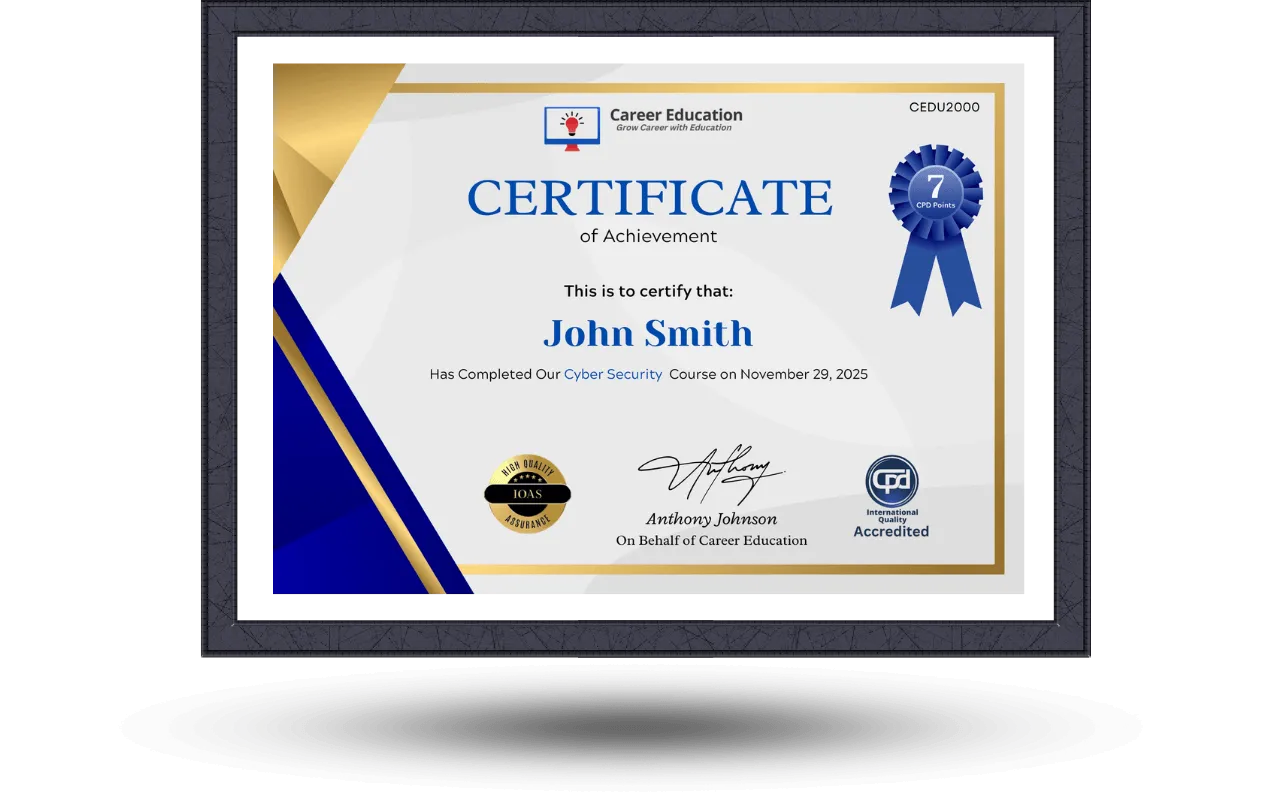
Earn an Accredited Certificate
Upon completion of any course, all students are entitled to a CPD IQ Accredited e-certificate that will be issued by Career Education signifying the completion of your course.
After you complete the course and assignment, you will be eligible to order a free certificate accredited by CPD International Quality by completing the form below.
Hardcopy certificates and transcripts are also available for a small additional fee. More information is disclosed upon course completion.
Similar Courses




Frequently Asked Questions
The lifetime membership includes unlimited access to all courses, resources, and updates for a one-time fee.
You can purchase the membership directly from our website using a secure checkout process.
Yes, selected courses can be downloaded for offline access through our mobile app.
Yes, all future updates and new courses are included at no extra cost.
Yes, we offer a 30-day money-back guarantee if you are not satisfied with the membership.