
94%
OFF
OFF
Flight Operations Coordination Training
- Lifetime Access
- All Levels
- PDF Certificate
£296
£19
14-Day Money-Back Guarantee
Learn With Confidence









Flight Operations Coordination Training
In aviation, safe and efficient operations depend on more than aircraft, technology, and established procedures. They also depend on people who can communicate effectively, maintain situational awareness, make sound decisions, and coordinate resources under changing conditions. Flight Operations Coordination Training is designed to help learners develop a stronger understanding of the human factors that influence aviation operations and the practical principles behind effective coordination and Crew Resource Management (CRM).
Flight operations can involve multiple teams, competing priorities, changing information, time-sensitive decisions, and unexpected events. A small communication failure or poor decision can have consequences across an operation. Developing the right knowledge and professional approach can therefore help individuals contribute more effectively to safe, organised, and efficient aviation environments.
This course focuses on six important areas: aviation human factors, organisational influences, aviation accidents and incidents, Crew Resource Management, situational awareness, and decision making. By exploring these areas, learners can build knowledge that supports better communication, stronger teamwork, improved awareness, and more structured decision-making in aviation-related roles.
What Is Flight Operations Coordination Training?
Flight Operations Coordination Training provides learners with an introduction to the human and organisational factors that influence aviation operations. Rather than focusing solely on technical aviation procedures, the course examines how people interact with colleagues, systems, information, procedures, and operational environments.
Flight operations coordination requires professionals to understand how different resources work together. Effective coordination can involve sharing information clearly, recognising potential risks, maintaining awareness of changing circumstances, supporting teamwork, and making appropriate decisions when situations become more complex.
The course introduces learners to Crew Resource Management and explores how human performance can influence aviation safety. It also considers how organisational factors and human error can contribute to accidents and incidents.
By completing the training, learners can develop a broader understanding of how effective human performance contributes to aviation safety and operational reliability.
Why Study Flight Operations Coordination Training?
Aviation is a highly coordinated industry. Flight crews, operations teams, ground personnel, air traffic services, maintenance professionals, management, and other stakeholders may all contribute to a single operation. Effective communication and coordination are therefore essential.
Studying Flight Operations Coordination Training can help learners understand the factors that support effective collaboration and safer operational outcomes.
The course can help you:
-
Develop a stronger understanding of aviation human factors.
-
Explore the principles of Crew Resource Management.
-
Understand how organisational factors can influence human performance.
-
Examine the relationship between human factors and aviation incidents.
-
Improve awareness of the importance of effective communication and teamwork.
-
Develop knowledge of situational awareness.
-
Understand structured approaches to aviation decision making.
-
Recognise factors that can influence judgement and performance.
-
Build knowledge relevant to aviation operations and coordination environments.
-
Strengthen your professional understanding of aviation safety principles.
Whether you are developing your aviation knowledge, preparing for responsibilities in an operational environment, or seeking professional development, this course offers a structured introduction to important human-factor principles.
What Will You Learn?
The curriculum consists of six focused modules designed to build your understanding progressively.
Module 1: Introduction to Aviation Human Factors and CRM
The course begins with an introduction to aviation human factors and Crew Resource Management.
Human factors are an important part of aviation because operational performance is influenced by how people interact with equipment, procedures, colleagues, information, and their working environment. Understanding these influences can help professionals recognise why errors occur and how effective teamwork and communication can support safer operations.
In this module, learners are introduced to the foundations of aviation human factors and CRM. You will explore why human performance matters in aviation and how effective resource management can contribute to operational safety.
You can develop an understanding of:
-
The meaning and importance of human factors in aviation.
-
The purpose of Crew Resource Management.
-
The role of people in aviation safety.
-
The importance of communication and teamwork.
-
Factors that can influence human performance.
-
How CRM principles can support effective operational coordination.
This foundation prepares you for the more detailed topics covered throughout the remaining modules.
Module 2: Organizational Factors in Aviation Human Factors and CRM
Human performance does not occur in isolation. The organisational environment can influence how people work, communicate, respond to pressure, and manage operational responsibilities.
Module 2 examines organisational factors within aviation human factors and CRM. Learners explore how organisational structures, workplace practices, communication systems, procedures, and operational culture can influence human performance.
Understanding these factors can help aviation professionals look beyond individual mistakes and consider the wider environment in which decisions and actions take place.
You will explore how organisational influences can affect:
-
Communication.
-
Teamwork.
-
Operational performance.
-
Human reliability.
-
Safety culture.
-
Decision making.
-
Resource management.
This knowledge can help you develop a more complete perspective on aviation safety and coordination.
Module 3: Human Factors in Aviation Accidents and Incidents
Aviation accidents and incidents can involve a combination of technical, environmental, organisational, and human factors. Understanding the contribution of human factors is important for identifying potential weaknesses and supporting future safety improvements.
Module 3 examines the relationship between human factors and aviation accidents and incidents. It encourages learners to consider how communication problems, decision-making challenges, situational awareness, workload, teamwork, and other human factors may influence operational outcomes.
You will gain greater awareness of:
-
The role of human factors in aviation incidents.
-
How errors can develop within complex operations.
-
The importance of communication and coordination.
-
How situational awareness can affect performance.
-
Why effective teamwork is important to aviation safety.
-
The value of learning from incidents and operational experiences.
This module can help learners understand why human-factor awareness is an essential component of modern aviation safety.
Module 4: Crew Resource Management
Crew Resource Management is central to the course and is an important concept in aviation operations.
CRM focuses on making effective use of available resources, including people, information, equipment, procedures, and communication. It promotes teamwork and encourages professionals to share information, manage challenges collaboratively, and support effective decision making.
In this module, learners explore the principles and practical importance of CRM.
You will develop knowledge of:
-
Effective teamwork.
-
Professional communication.
-
Coordination between team members.
-
Resource management.
-
Leadership and collaboration.
-
Sharing relevant operational information.
-
Supporting effective decisions within a team.
-
Recognising the value of different perspectives.
The principles covered in this module can be valuable for anyone working in an environment where multiple people must coordinate their activities to achieve safe and efficient outcomes.
Module 5: Situational Awareness
Maintaining situational awareness is vital when operating in dynamic environments. Aviation professionals may need to monitor multiple sources of information while recognising changes that could affect an operation.
Module 5 explores situational awareness and its importance in aviation human factors and CRM.
Learners can develop a better understanding of how professionals identify relevant information, interpret changing circumstances, and maintain awareness of what is happening around them.
The module highlights the importance of:
-
Monitoring changing circumstances.
-
Identifying relevant information.
-
Understanding operational conditions.
-
Recognising potential risks.
-
Maintaining attention during changing situations.
-
Communicating important information to others.
-
Supporting informed decisions through accurate awareness.
Strong situational awareness can contribute to better coordination because professionals are more prepared to recognise changes and respond appropriately.
Module 6: Decision Making
The final module focuses on decision making, another essential element of aviation operations.
Aviation professionals may encounter situations where information is incomplete, circumstances are changing, or decisions need to be made within a limited timeframe. Understanding factors that influence judgement can support more structured and effective decision making.
This module explores the importance of sound judgement and considers how human factors can influence decisions.
You will gain knowledge relating to:
-
The importance of effective decision making.
-
Factors that can influence judgement.
-
The relationship between situational awareness and decisions.
-
Decision making within operational environments.
-
The value of evaluating available information.
-
Team-based decision making.
-
Recognising potential risks and consequences.
By completing this module, learners can develop a stronger understanding of how effective decision making contributes to aviation safety and operational performance.
Practical Outcomes of the Course
The value of Flight Operations Coordination Training extends beyond theoretical knowledge. The course is designed around key competencies that can support learners in aviation-related professional environments.
After completing the course, you should have a stronger understanding of how to:
Communicate More Effectively
Clear communication is fundamental to aviation coordination. The course helps learners appreciate the importance of sharing accurate and relevant information with appropriate team members.
Support Better Teamwork
CRM principles demonstrate how effective collaboration can help teams make better use of available resources and respond more effectively to operational challenges.
Recognise Human-Factor Influences
Understanding human factors can help professionals recognise that performance is influenced by multiple conditions, including organisational environments, communication, workload, awareness, and decision-making demands.
Improve Situational Awareness
The course highlights the importance of monitoring circumstances, interpreting information, and remaining aware of changing operational conditions.
Develop Decision-Making Knowledge
Learners gain an understanding of factors that influence decisions and the importance of evaluating information before selecting an appropriate course of action.
Contribute to a Safety-Focused Culture
A strong understanding of human factors and CRM can help professionals appreciate the importance of learning from incidents, communicating concerns, and supporting continuous improvement.
Who Can Benefit from Flight Operations Coordination Training?
Flight Operations Coordination Training can be useful for learners who want to develop their knowledge of aviation operations, human factors, and CRM.
It may be particularly relevant to individuals interested in or working toward roles involving aviation operations, coordination, administration, safety, or teamwork.
The course may benefit:
-
Aspiring aviation operations professionals.
-
Flight operations personnel.
-
Aviation administration staff.
-
Aviation management learners.
-
Individuals interested in Crew Resource Management.
-
Professionals seeking aviation-related professional development.
-
Learners interested in aviation safety and human factors.
-
Individuals looking to broaden their understanding of operational coordination.
You do not need to limit your learning to one specific aviation role. The principles covered can provide useful knowledge for a wide range of operational environments where communication, teamwork, awareness, and decision making are important.
Build Knowledge for a Coordinated Aviation Environment
Successful aviation operations depend on people working together effectively. Technology and procedures are important, but professionals must also be able to communicate, interpret information, recognise changing circumstances, and make appropriate decisions.
Flight Operations Coordination Training provides a structured opportunity to explore these essential concepts.
From the foundations of aviation human factors through to Crew Resource Management, situational awareness, and decision making, each module contributes to a broader understanding of the human side of aviation operations.
The course also encourages learners to consider how organisational factors can influence performance and how human factors can contribute to aviation incidents. This wider perspective can help you appreciate the importance of building strong communication, teamwork, awareness, and decision-making practices.
Develop Your Aviation Knowledge Today
Aviation is an industry where coordination and communication matter every day. Developing knowledge of human factors and CRM can help you better understand the challenges faced by aviation professionals and the behaviours that support effective operational performance.
With six focused modules covering aviation human factors, organisational influences, accidents and incidents, Crew Resource Management, situational awareness, and decision making, Flight Operations Coordination Training offers a comprehensive introduction to important principles behind effective aviation coordination.
If you want to strengthen your understanding of aviation human factors and develop knowledge that can support safer, more effective teamwork and operational decision making, this course provides a valuable learning opportunity.
Enrol in Flight Operations Coordination Training today and take the next step toward developing your knowledge of aviation coordination, human factors, CRM, situational awareness, and professional decision making.
Course Modules
Course Content
Module 1 Introduction to Aviation Human Factors and CRM.
-
Lesson 1 Introduction to Aviation Human Factors and CRM.
Module 2 Organizational Factors in Aviation Human Factors and CRM.
Module 3 Human Factors in Aviation Accidents and Incidents.
Module 4 Crew Resource Management.
Module 5 Situational Awareness.
Module 6 Decision Making.
What our students say
Excellent
4.9 average
158 Reviews

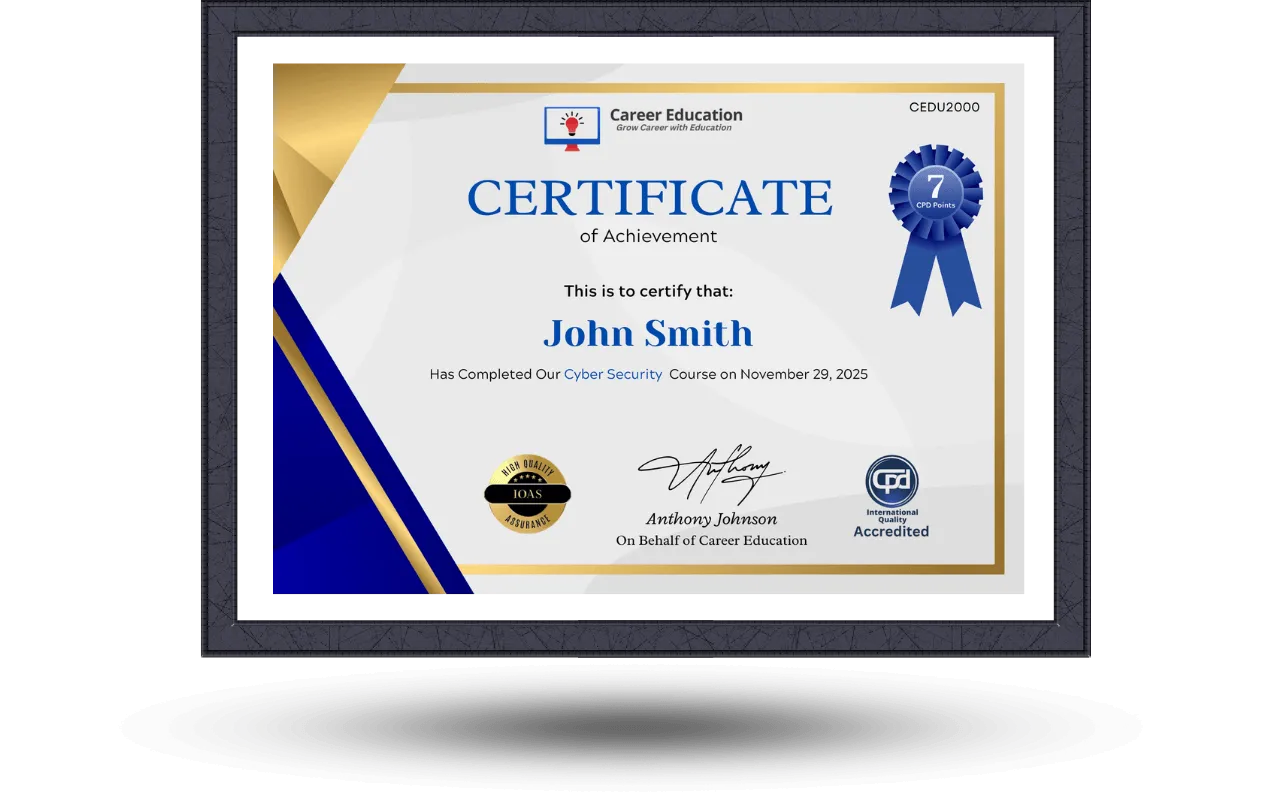
Earn an Accredited Certificate
Upon completion of any course, all students are entitled to a CPD IQ Accredited e-certificate that will be issued by Career Education signifying the completion of your course.
After you complete the course and assignment, you will be eligible to order a free certificate accredited by CPD International Quality by completing the form below.
Hardcopy certificates and transcripts are also available for a small additional fee. More information is disclosed upon course completion.
Similar Courses




Frequently Asked Questions
The lifetime membership includes unlimited access to all courses, resources, and updates for a one-time fee.
You can purchase the membership directly from our website using a secure checkout process.
Yes, selected courses can be downloaded for offline access through our mobile app.
Yes, all future updates and new courses are included at no extra cost.
Yes, we offer a 30-day money-back guarantee if you are not satisfied with the membership.