
94%
OFF
OFF
Fitness and Emotional Resilience Development
- Lifetime Access
- All Levels
- PDF Certificate
£296
£19
14-Day Money-Back Guarantee
Learn With Confidence









Fitness and Emotional Resilience Development
Overview
In today’s fast-paced world, maintaining emotional balance, managing stress, and building inner strength are essential skills for personal and professional success. Fitness and Emotional Resilience Development is a comprehensive course designed to help learners understand the powerful connection between physical health, mental strength, and emotional well-being. This course provides practical strategies to develop resilience, improve emotional regulation, and create sustainable fitness habits that support a healthier and more balanced lifestyle.
Through a combination of fitness principles, mindfulness practices, stress management techniques, and lifestyle approaches, Fitness and Emotional Resilience Development empowers learners to build the physical and emotional foundations needed to handle challenges with confidence. Whether you want to improve your personal well-being, strengthen your mindset, or support others in developing healthier habits, this course provides valuable knowledge and practical tools for long-term growth.
By completing this course, learners will gain a deeper understanding of how exercise, nutrition, mindfulness, and emotional awareness work together to enhance resilience. You will learn how to manage stress more effectively, develop positive coping strategies, improve mental strength, and establish routines that promote both physical vitality and emotional stability.
Course Description
Fitness and Emotional Resilience Development explores the relationship between physical activity and emotional strength, helping learners discover how fitness can become a powerful tool for improving mental and emotional health. The course focuses on building resilience through structured fitness approaches, mindful practices, healthy nutrition, and mindset development.
Emotional resilience is the ability to adapt to challenges, recover from setbacks, and maintain a positive outlook during difficult situations. While resilience is often associated with mindset and emotional skills, physical health plays a significant role in supporting emotional balance. Regular movement, proper nutrition, quality recovery, and mindfulness can improve energy levels, reduce stress, and strengthen the body’s ability to cope with pressure.
Throughout this course, learners will explore the impact of stress on physical and emotional health, understand how mindfulness supports resilience, and discover how fitness routines can contribute to improved emotional well-being. The course provides practical techniques that can be applied in daily life to create healthier habits and develop greater self-awareness.
By studying Fitness and Emotional Resilience Development, learners will be able to:
-
Understand the connection between fitness and emotional resilience.
-
Recognise how stress affects physical and mental well-being.
-
Develop mindfulness techniques to improve emotional awareness.
-
Build a resilient mindset for overcoming challenges.
-
Use physical activity as a tool for emotional regulation.
-
Understand the role of nutrition in supporting emotional health.
-
Create sustainable wellness routines that support long-term balance.
-
Improve confidence, motivation, and overall quality of life.
This course is ideal for anyone interested in personal development, wellness, fitness, mental strength, and creating positive lifestyle changes.
Course Curriculum
Module 1: Introduction to Fitness and Emotional Resilience
The first module introduces the fundamental principles of Fitness and Emotional Resilience Development and explains how physical fitness and emotional strength are interconnected. Learners will explore the importance of maintaining both physical and psychological health to achieve overall well-being.
This module provides an understanding of emotional resilience and why it is an essential skill for managing everyday challenges. Learners will discover how regular physical activity can influence mood, confidence, energy levels, and emotional stability.
Key topics covered include:
-
Understanding the relationship between fitness and emotional resilience.
-
The importance of physical health for mental well-being.
-
How exercise influences emotions and stress responses.
-
The role of healthy habits in building resilience.
-
Developing awareness of personal wellness needs.
By the end of this module, learners will understand how fitness can support emotional strength and create a foundation for personal growth.
Module 2: Understanding Stress and Its Impact
Stress is a common part of modern life, but unmanaged stress can negatively affect physical health, emotional balance, and overall performance. This module focuses on understanding stress, recognising its effects, and developing strategies to manage it effectively.
Learners will explore how stress influences the body and mind, including changes in energy levels, mood, motivation, and physical health. Understanding these connections helps individuals identify stress triggers and develop healthier responses.
Key topics covered include:
-
The causes and types of stress.
-
The relationship between stress and physical health.
-
How chronic stress affects emotional resilience.
-
Recognising signs of emotional overload.
-
Techniques for managing stress effectively.
-
Building healthier coping mechanisms.
Through this module, learners will gain practical knowledge to manage pressure more effectively and strengthen their ability to respond positively to challenging situations.
Module 3: Mindfulness and Fitness
Mindfulness is a powerful practice that encourages awareness, focus, and emotional control. Combined with fitness, mindfulness can help individuals develop a stronger connection between their body and mind.
This module explores how mindful movement and awareness-based practices can enhance emotional resilience. Learners will discover how being present during physical activity can improve motivation, reduce stress, and support mental clarity.
Key topics covered include:
-
Understanding mindfulness and its benefits.
-
The connection between mindfulness and physical activity.
-
Mindful exercise techniques.
-
Breathing practices for relaxation and focus.
-
Improving body awareness and emotional regulation.
-
Using mindfulness to support fitness consistency.
By completing this module, learners will understand how mindfulness can enhance both physical performance and emotional well-being.
Module 4: Developing a Resilient Mindset
A resilient mindset allows individuals to face challenges, adapt to change, and continue progressing despite obstacles. This module focuses on developing mental strength and positive thinking patterns that support personal growth.
Learners will explore strategies for improving confidence, motivation, self-discipline, and emotional flexibility. The module highlights the importance of developing healthy thought patterns and maintaining a solution-focused approach.
Key topics covered include:
-
Understanding the characteristics of a resilient mindset.
-
Developing self-confidence and emotional awareness.
-
Building motivation and consistency.
-
Managing setbacks and overcoming challenges.
-
Creating positive habits and routines.
-
Strengthening mental endurance.
Through this module, learners will gain the tools needed to develop greater emotional strength and approach life challenges with confidence.
Module 5: Physical Activities for Emotional Resilience
Physical activity is one of the most effective ways to support emotional well-being. This module explores different forms of exercise and how they contribute to stress reduction, mood improvement, and emotional balance.
Learners will understand how movement affects the brain, emotions, and overall mental health. The module provides guidance on selecting suitable activities that support personal goals and lifestyle needs.
Key topics covered include:
-
The emotional benefits of regular exercise.
-
Different types of physical activities for resilience.
-
Strength training, cardiovascular exercise, and flexibility practices.
-
Creating a balanced fitness routine.
-
Using exercise to improve confidence and emotional stability.
-
Maintaining motivation for long-term fitness habits.
By the end of this module, learners will be able to use physical activity as a practical strategy for improving emotional resilience and maintaining overall wellness.
Module 6: Nutrition and Emotional Well-being
Nutrition plays an important role in supporting both physical health and emotional balance. This module examines how dietary choices influence energy levels, mood, concentration, and overall well-being.
Learners will explore the connection between nutrition and emotional resilience, understanding how balanced eating habits can support a healthier lifestyle.
Key topics covered include:
-
The relationship between nutrition and emotional health.
-
How food choices affect mood and energy.
-
Essential nutrients for physical and mental wellness.
-
Developing healthier eating habits.
-
The importance of hydration and recovery.
-
Creating a balanced approach to nutrition.
This module helps learners understand how proper nutrition can complement fitness practices and contribute to stronger emotional resilience.
Who Is This Course For?
Fitness and Emotional Resilience Development is suitable for individuals who want to improve their physical health, emotional strength, and overall well-being. The course is beneficial for:
-
Individuals interested in personal development and self-improvement.
-
Fitness enthusiasts who want to understand the emotional benefits of exercise.
-
Professionals looking to manage stress and improve resilience.
-
Wellness coaches and trainers who want to expand their knowledge.
-
Individuals seeking healthier lifestyle habits.
-
Anyone wanting to improve confidence, motivation, and emotional balance.
No advanced fitness or psychology experience is required. The course is designed for beginners and anyone interested in creating positive changes in their lifestyle.
Requirements
There are no specific qualifications required to enrol in Fitness and Emotional Resilience Development. Learners simply need an interest in fitness, emotional well-being, and personal growth.
To gain the most benefit from this course, learners should have:
-
A willingness to develop healthier habits.
-
An interest in improving physical and emotional wellness.
-
Access to basic fitness activities or movement opportunities.
-
Commitment to applying the strategies learned throughout the course.
The course is suitable for learners at different experience levels and provides practical knowledge that can be adapted to individual needs.
Career Path
Completing Fitness and Emotional Resilience Development can support personal and professional growth in a variety of wellness-related areas. The knowledge gained from this course can be valuable for individuals working or planning to work in fields connected to fitness, coaching, health, and personal development.
Potential career and development opportunities include:
-
Fitness coaching support roles.
-
Wellness and lifestyle coaching.
-
Personal development mentoring.
-
Health and well-being support roles.
-
Workplace wellness initiatives.
-
Community health and fitness programmes.
The course also provides valuable skills for individuals who want to improve their own resilience, manage stress effectively, and create a healthier lifestyle.
Frequently Asked Questions
1. What is Fitness and Emotional Resilience Development?
Fitness and Emotional Resilience Development is a course that teaches learners how physical activity, mindfulness, nutrition, and mindset strategies can work together to improve emotional strength and overall well-being.
2. Who can take this course?
This course is suitable for anyone interested in improving fitness, managing stress, developing resilience, and creating healthier lifestyle habits. No previous experience is required.
3. How does fitness improve emotional resilience?
Regular physical activity can support emotional resilience by improving mood, reducing stress, increasing confidence, and helping individuals develop stronger coping strategies.
4. Does this course include mindfulness techniques?
Yes. The course includes mindfulness concepts and practices that help learners improve awareness, emotional regulation, focus, and stress management.
5. Will I receive a certificate after completing the course?
Yes, learners who successfully complete Fitness and Emotional Resilience Development can receive a certificate of completion to recognise their achievement and knowledge gained.
6. Can this course help with stress management?
Yes. The course provides practical strategies for understanding stress, developing healthier responses, and using fitness and mindfulness techniques to support emotional balance.
Start Your Journey Towards Greater Strength and Balance
Develop the skills to build a healthier body, stronger mindset, and greater emotional resilience with Fitness and Emotional Resilience Development. Learn how fitness, mindfulness, nutrition, and positive habits can transform the way you manage challenges and support lifelong well-being. Enrol today and take the next step toward personal growth and emotional strength.
Course Modules
Course Content
Module 1_ Introduction to Fitness and Emotional Resilience
-
Lesson 1_ Introduction to Fitness and Emotional Resilience
Module 2_ Understanding Stress and Its Impact
Module 3_ Mindfulness and Fitness
Module 4_ Developing a Resilient Mindset
Module 5_ Physical Activities for Emotional Resilience
Module 6_ Nutrition and Emotional Well-being
What our students say
Excellent
4.9 average
158 Reviews

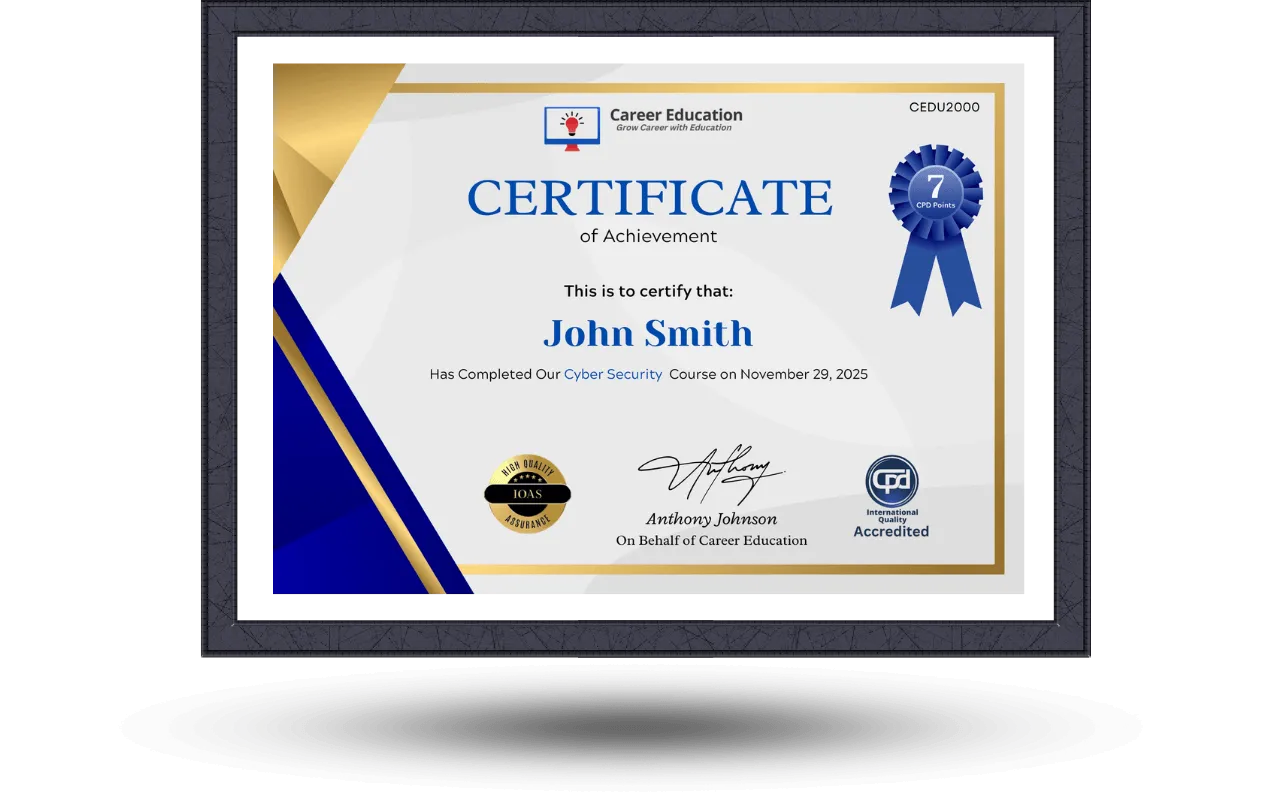
Earn an Accredited Certificate
Upon completion of any course, all students are entitled to a CPD IQ Accredited e-certificate that will be issued by Career Education signifying the completion of your course.
After you complete the course and assignment, you will be eligible to order a free certificate accredited by CPD International Quality by completing the form below.
Hardcopy certificates and transcripts are also available for a small additional fee. More information is disclosed upon course completion.


Frequently Asked Questions
The lifetime membership includes unlimited access to all courses, resources, and updates for a one-time fee.
You can purchase the membership directly from our website using a secure checkout process.
Yes, selected courses can be downloaded for offline access through our mobile app.
Yes, all future updates and new courses are included at no extra cost.
Yes, we offer a 30-day money-back guarantee if you are not satisfied with the membership.