
94%
OFF
OFF
Engineering Quality Assurance
- Lifetime Access
- All Levels
- PDF Certificate
£296
£19
14-Day Money-Back Guarantee
Learn With Confidence






Engineering Quality Assurance
Overview
Quality is at the heart of successful engineering projects. Whether developing products, managing manufacturing processes, or delivering infrastructure, maintaining consistent quality standards is essential for safety, reliability, customer satisfaction, and regulatory compliance. Organisations across industries rely on quality assurance professionals to ensure that engineering processes produce dependable outcomes while minimising defects, reducing costs, and driving continuous improvement.
Engineering Quality Assurance provides learners with a practical understanding of the principles, tools, and techniques used to achieve and maintain quality throughout the engineering lifecycle. Rather than focusing solely on inspection, this course explores how quality can be built into planning, production, testing, and operational processes from the very beginning.
As industries increasingly adopt advanced manufacturing technologies, automation, and digital quality systems, employers seek professionals who understand quality management systems, engineering standards, compliance requirements, and data-driven decision-making. These skills are valuable across manufacturing, construction, aerospace, automotive, energy, civil engineering, electronics, and many other engineering sectors.
Throughout this course, you will explore internationally recognised quality practices, understand how risks affect engineering projects, learn methods for improving processes, and discover how effective leadership helps create a culture of quality. By the end of the course, you will have a solid foundation in engineering quality assurance principles that can support professional development and improve organisational performance.
Course Description
Engineering Quality Assurance is designed to introduce learners to the essential concepts of quality management within engineering environments. Whether you are new to engineering, already working in the industry, or seeking to strengthen your understanding of quality systems, this course provides practical knowledge that can be applied across a wide range of sectors.
The course begins by explaining the foundations of quality assurance before progressing into quality management systems, engineering standards, planning, quality control, risk management, auditing, compliance, and continuous improvement. Learners will also explore how organisations use data, metrics, and leadership strategies to maintain high standards and improve operational efficiency.
Rather than treating quality as a final inspection stage, this course demonstrates how quality should be embedded throughout every phase of engineering projects. You will gain insight into preventing defects, improving processes, managing compliance, supporting customer satisfaction, and contributing to long-term organisational success.
By completing this course, learners will understand the importance of quality in engineering and develop knowledge that supports career growth, organisational improvement, and professional confidence.
What You Will Learn in Engineering Quality Assurance
Module 1: Introduction to Quality Assurance in Engineering
This module introduces the principles of engineering quality assurance and explains why quality is essential across engineering industries. You will explore the relationship between quality, safety, efficiency, customer satisfaction, and continuous improvement while understanding the difference between quality assurance and quality control.
After completing this module, you will be able to:
-
Understand the purpose of quality assurance.
-
Explain key quality terminology.
-
Recognise the benefits of quality-focused engineering.
-
Identify quality assurance responsibilities.
-
Understand the engineering quality lifecycle.
-
Appreciate the importance of continuous improvement.
Module 2: Quality Management Systems (QMS)
Learn how Quality Management Systems help organisations standardise processes, improve consistency, and achieve continual improvement. You’ll explore the structure and purpose of effective quality systems and their role within engineering organisations.
After completing this module, you will be able to:
-
Understand Quality Management Systems.
-
Explain the purpose of documented procedures.
-
Recognise the value of process consistency.
-
Support quality improvement initiatives.
-
Understand continual improvement principles.
-
Appreciate how QMS supports organisational success.
Module 3: Engineering Standards and Regulations
Engineering organisations must comply with recognised standards and legal requirements. This module explains the role of engineering standards, industry regulations, and compliance in maintaining quality and protecting public safety.
After completing this module, you will be able to:
-
Understand engineering standards.
-
Recognise regulatory responsibilities.
-
Explain the importance of compliance.
-
Support quality documentation.
-
Identify industry best practices.
-
Appreciate quality governance.
Module 4: Quality Planning and Control
Effective planning helps prevent defects before they occur. This module explores quality planning techniques, process monitoring, inspections, testing, and quality control methods that improve engineering outcomes.
After completing this module, you will be able to:
-
Understand quality planning processes.
-
Explain quality control activities.
-
Identify preventive quality measures.
-
Support inspection processes.
-
Monitor engineering quality.
-
Improve process consistency.
Module 5: Risk Management and Quality
Quality and risk management work together to reduce failures and improve project outcomes. This module examines how engineering organisations identify, assess, and manage quality-related risks throughout projects.
After completing this module, you will be able to:
-
Understand quality risks.
-
Identify potential engineering failures.
-
Support risk assessment activities.
-
Recognise preventive strategies.
-
Improve decision-making.
-
Contribute to safer engineering projects.
Module 6: Materials and Product Quality
The quality of engineering products begins with selecting suitable materials and maintaining effective production controls. This module explores material quality, testing methods, supplier considerations, and product reliability.
After completing this module, you will be able to:
-
Understand material quality principles.
-
Recognise product quality requirements.
-
Explain supplier quality considerations.
-
Identify testing approaches.
-
Support quality inspections.
-
Improve product reliability.
Module 7: Process Improvement and Lean Principles
Continuous improvement enables organisations to eliminate waste, improve efficiency, and enhance product quality. This module introduces Lean principles and process improvement techniques used throughout engineering industries.
After completing this module, you will be able to:
-
Understand Lean principles.
-
Identify process inefficiencies.
-
Support continuous improvement.
-
Reduce waste within processes.
-
Improve operational performance.
-
Promote quality-focused thinking.
Module 8: Auditing and Compliance
Audits help organisations verify compliance with quality standards and identify opportunities for improvement. This module explains internal audits, external audits, documentation, and corrective actions.
After completing this module, you will be able to:
-
Understand quality auditing.
-
Prepare for engineering audits.
-
Recognise compliance requirements.
-
Support corrective actions.
-
Improve quality documentation.
-
Strengthen organisational accountability.
Module 9: Data Management and Quality Metrics
Modern engineering quality relies on accurate data and meaningful performance indicators. This module explores quality metrics, data collection, reporting, and using information to improve engineering performance.
After completing this module, you will be able to:
-
Understand quality metrics.
-
Interpret engineering performance data.
-
Support evidence-based decisions.
-
Improve reporting practices.
-
Monitor quality performance.
-
Encourage continuous improvement.
Module 10: Quality Culture and Leadership
Long-term quality improvement depends on leadership, communication, and organisational culture. This final module explores how leaders encourage accountability, collaboration, and continuous quality improvement across engineering teams.
After completing this module, you will be able to:
-
Understand quality leadership.
-
Promote a positive quality culture.
-
Support organisational improvement.
-
Encourage teamwork and accountability.
-
Lead quality-focused initiatives.
-
Contribute to sustainable engineering excellence.
Who Is This Course For?
Engineering Quality Assurance is suitable for a wide range of learners, including:
-
Engineering students seeking practical quality knowledge.
-
Graduate engineers beginning their careers.
-
Manufacturing and production professionals.
-
Quality assurance and quality control personnel.
-
Engineering technicians and supervisors.
-
Project managers and operations managers.
-
Maintenance and reliability professionals.
-
Compliance and audit staff.
-
Business owners involved in engineering operations.
-
Anyone interested in improving engineering quality standards.
Requirements
There are no formal entry requirements for this course.
You will simply need:
-
An interest in engineering and quality management.
-
A computer, tablet, or smartphone.
-
Internet access.
-
Basic digital skills.
-
A willingness to learn.
No previous quality assurance experience is required, making this course suitable for both beginners and experienced professionals looking to refresh their knowledge.
Career Path
Completing Engineering Quality Assurance can support professional development across numerous engineering sectors.
Potential career pathways include:
-
Quality Assurance Assistant
-
Quality Control Inspector
-
Manufacturing Engineer
-
Production Supervisor
-
Process Improvement Coordinator
-
Compliance Officer
-
Engineering Technician
-
Operations Supervisor
-
Continuous Improvement Practitioner
-
Quality Systems Administrator
The knowledge gained can also benefit professionals working in manufacturing, construction, aerospace, automotive, energy, electronics, civil engineering, and industrial operations. It provides a strong foundation for further professional development in quality management, auditing, process improvement, engineering leadership, and operational excellence.
Frequently Asked Questions
1. What is Engineering Quality Assurance?
Engineering Quality Assurance is the systematic process of ensuring engineering products, services, and processes consistently meet defined quality standards. This course explains the principles, systems, and best practices used to achieve reliable engineering outcomes.
2. Who should take this course?
This course is ideal for engineering students, technicians, quality professionals, supervisors, managers, manufacturing staff, and anyone wishing to understand engineering quality management.
3. Do I need previous engineering experience?
No. The course is designed for beginners while also providing valuable knowledge for experienced professionals looking to strengthen their understanding of engineering quality assurance.
4. What will I learn?
You will learn about quality management systems, engineering standards, quality planning, risk management, Lean improvement, auditing, compliance, quality metrics, leadership, and continuous improvement.
5. How long does the course take?
The course is self-paced, allowing you to study whenever it is convenient. You can progress through the modules at a pace that suits your personal and professional commitments.
6. Is this course suitable for beginners?
Yes. The course introduces key concepts in a clear and structured way before progressing to more advanced topics, making it suitable for learners with little or no prior experience.
7. How can this course support my career?
Understanding quality assurance can improve your professional knowledge, strengthen your contribution to engineering projects, support career progression, and enhance your ability to maintain quality standards across engineering environments.
8. Will I receive a certificate?
Yes. Upon successfully completing the course, you will receive a certificate of completion, which can demonstrate your learning and support your continuing professional development.
9. Can I study at my own pace?
Yes. The flexible online format allows you to learn whenever and wherever it suits your schedule using your preferred device.
10. Why choose this course?
This course combines practical engineering quality principles with modern quality management practices, helping learners develop valuable knowledge that can be applied across a wide range of engineering industries.
Enrol Today
High-quality engineering depends on effective quality assurance, continuous improvement, and strong leadership. Engineering Quality Assurance provides the knowledge and practical understanding needed to support quality-focused engineering projects, improve organisational performance, and strengthen your professional skills.
Whether you are starting your engineering career, expanding your existing knowledge, or preparing for greater responsibilities, this course offers a practical foundation that can support your long-term professional development.
Enrol today and take the next step towards building the knowledge and confidence to contribute to engineering excellence through effective quality assurance.
Course Modules
Course Content
Copy of Module 1_ Introduction to Quality Assurance in Engineering
-
Copy of Lesson 1_ Introduction to Quality Assurance in Engineering
Copy of Module 2_ Quality Management Systems (QMS)
Copy of Module 3_ Engineering Standards and Regulations
Copy of Module 4_ Quality Planning and Control
Copy of Module 5_ Risk Management and Quality
Copy of Module 6_ Materials and Product Quality
Copy of Module 7_ Process Improvement and Lean Principles
Copy of Module 8_ Auditing and Compliance
Copy of Module 9_ Data Management and Quality Metrics
Copy of Module 10_ Quality Culture and Leadership
What our students say
Excellent
4.9 average
158 Reviews

Earn an Accredited Certificate
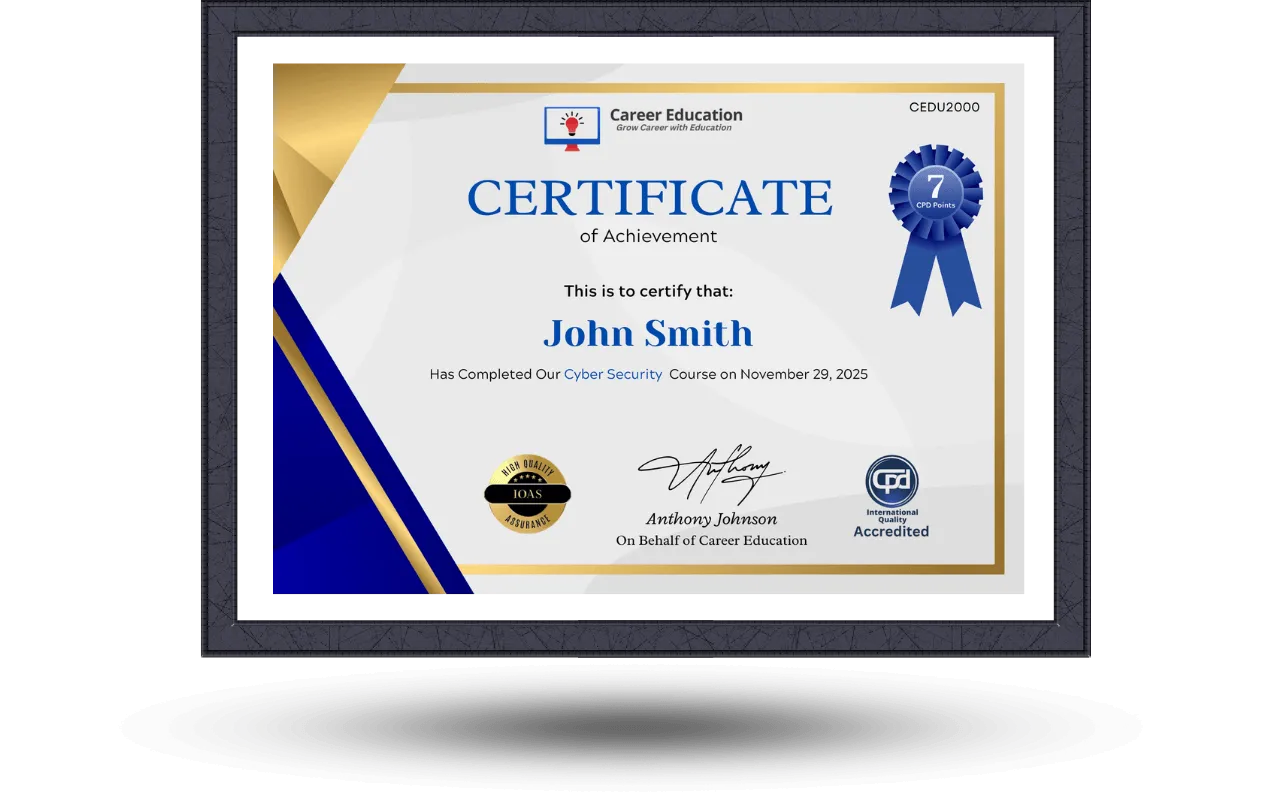
Upon completion of any course, all students are entitled to a CPD IQ Accredited e-certificate that will be issued by Career Education signifying the completion of your course.
After you complete the course and assignment, you will be eligible to order a free certificate accredited by CPD International Quality by completing the form below.
Hardcopy certificates and transcripts are also available for a small additional fee. More information is disclosed upon course completion.
Similar Courses




Frequently Asked Questions
The lifetime membership includes unlimited access to all courses, resources, and updates for a one-time fee.
You can purchase the membership directly from our website using a secure checkout process.
Yes, selected courses can be downloaded for offline access through our mobile app.
Yes, all future updates and new courses are included at no extra cost.
Yes, we offer a 30-day money-back guarantee if you are not satisfied with the membership.