OFF
End-of-Life Care and Palliative Support Training
- Lifetime Access
- All Levels
- PDF Certificate
Learn With Confidence







Overview
End-of-Life Care and Palliative Support Training
Overview
The End-of-Life Care and Palliative Support Training course is designed to provide learners with the essential knowledge, practical skills, and compassionate approaches required to support individuals during the final stages of life. End-of-life care is a deeply important area within healthcare and social care, requiring professionals and caregivers to understand physical needs, emotional challenges, communication approaches, ethical responsibilities, and the importance of dignity and respect.
This comprehensive End-of-Life Care and Palliative Support Training course helps learners develop confidence in providing person-centred support for individuals with life-limiting conditions. Through structured learning modules, participants will explore the dying process, symptom management, emotional wellbeing, cultural considerations, legal responsibilities, care coordination, and ways to support families and carers.
Whether you work in healthcare, social care, nursing, caregiving, or are looking to develop your understanding of compassionate care practices, this course provides valuable guidance to help you make a positive difference in the lives of individuals and their loved ones.
Course Description
The End-of-Life Care and Palliative Support Training course focuses on delivering high-quality care that prioritises comfort, dignity, and individual preferences. End-of-life care is not only about managing physical symptoms but also about recognising emotional, psychological, social, and spiritual needs.
Throughout this course, learners will gain a deeper understanding of palliative approaches and how they can improve quality of life for individuals facing serious illness. You will explore how to provide effective support while respecting personal choices, cultural beliefs, and ethical considerations.
The End-of-Life Care and Palliative Support Training course covers key areas such as understanding the stages of dying, managing common symptoms, communicating with individuals and families, developing care plans, and working effectively with healthcare teams. Learners will discover practical strategies for providing compassionate support while maintaining professionalism and sensitivity.
By completing this course, participants will be better prepared to support individuals approaching the end of life and contribute to a caring environment where every person receives respectful and personalised attention.
Learning Outcomes
By completing the End-of-Life Care and Palliative Support Training, learners will be able to:
-
Understand the principles and importance of effective end-of-life care.
-
Recognise the physical, emotional, psychological, and social needs of individuals nearing the end of life.
-
Develop confidence in communicating with individuals, families, and healthcare professionals.
-
Apply appropriate approaches for managing common symptoms and improving comfort.
-
Understand ethical and legal responsibilities within end-of-life support.
-
Provide compassionate emotional and psychological support.
-
Respect cultural, spiritual, and personal preferences during end-of-life care.
-
Contribute effectively to care planning and coordination.
-
Support families and carers through challenging experiences.
-
Apply knowledge and skills in practical care environments.
Course Curriculum
Module 1: Introduction to End of Life Care
The first module introduces the fundamental principles of end-of-life care and explains why compassionate support is essential for individuals with life-limiting conditions. Learners will explore the purpose of palliative care and how it focuses on improving comfort, dignity, and quality of life.
This module covers the role of healthcare and care professionals in supporting individuals and highlights the importance of person-centred approaches. Learners will understand how effective end-of-life care considers each person’s wishes, values, preferences, and individual circumstances.
By completing this module, participants will develop a strong foundation for understanding the responsibilities involved in providing respectful and compassionate end-of-life support.
Module 2: Understanding the Dying Process
This module explores the physical, emotional, and psychological changes that may occur during the dying process. Understanding these changes enables caregivers to provide appropriate support and respond effectively to individual needs.
Learners will examine common signs associated with the final stages of life and gain awareness of how different individuals may experience the dying process in unique ways. The module also focuses on maintaining comfort, promoting dignity, and supporting individuals through a sensitive period.
Through this knowledge, learners will become more confident in recognising changes and providing appropriate care based on each person’s situation.
Module 3: Symptom Management
Managing symptoms effectively is a key aspect of quality end-of-life care. This module focuses on common symptoms experienced by individuals receiving palliative support and explores approaches for improving comfort and wellbeing.
Learners will explore symptom areas such as pain, breathing difficulties, fatigue, nausea, and other challenges that may affect quality of life. The module highlights the importance of monitoring symptoms, reporting concerns, and working with healthcare professionals to provide appropriate support.
The End-of-Life Care and Palliative Support Training helps learners understand how effective symptom management can improve comfort and create a more positive care experience for individuals and families.
Module 4: Communication Skills
Communication is one of the most important skills in end-of-life care. This module explores how to communicate with empathy, honesty, and sensitivity when supporting individuals and their families.
Learners will develop strategies for having difficult conversations, listening actively, responding to emotions, and respecting individual choices. The module also covers the importance of non-verbal communication and creating a supportive environment where people feel heard and valued.
Strong communication skills enable caregivers to build trust and provide meaningful support during challenging times.
Module 5: Psychological and Emotional Support
End-of-life experiences can involve a wide range of emotions, including fear, sadness, uncertainty, and grief. This module focuses on providing psychological and emotional support to individuals and those close to them.
Learners will explore ways to recognise emotional needs, provide reassurance, and promote emotional wellbeing. The module highlights the importance of compassion, patience, and understanding when supporting people facing the end of life.
Participants will gain practical approaches for helping individuals maintain a sense of control, comfort, and dignity.
Module 6: Spiritual and Cultural Considerations
Every individual has unique beliefs, values, and cultural perspectives that influence their experience of end-of-life care. This module explores the importance of respecting spiritual and cultural preferences.
Learners will understand how beliefs, traditions, and personal values can affect decisions about care, communication, and support. The module encourages inclusive approaches that recognise diversity and ensure every individual receives respectful treatment.
By understanding cultural and spiritual considerations, caregivers can provide more personalised and meaningful support.
Module 7: Legal and Ethical Issues
This module examines the legal and ethical responsibilities involved in end-of-life care. Learners will explore important principles such as confidentiality, consent, dignity, autonomy, and professional responsibilities.
Understanding ethical considerations helps caregivers make informed decisions while respecting the rights and wishes of individuals. The module also highlights the importance of following appropriate policies, procedures, and professional standards.
This knowledge supports safe, responsible, and respectful end-of-life care practices.
Module 8: Care Planning and Coordination
Effective care planning ensures that individuals receive personalised support that reflects their needs and preferences. This module explores the importance of creating, reviewing, and coordinating care plans.
Learners will understand the role of communication between healthcare professionals, carers, families, and support teams. The module focuses on teamwork, documentation, and ensuring continuity of care.
Through this module, participants will learn how coordinated approaches contribute to better outcomes for individuals receiving end-of-life support.
Module 9: Supporting Families and Carers
Families and carers often experience emotional challenges while supporting a loved one approaching the end of life. This module focuses on providing appropriate guidance, reassurance, and practical support.
Learners will explore how to recognise the needs of families, provide compassionate communication, and support them before and after bereavement. The module highlights the importance of acknowledging family experiences and helping them navigate difficult moments.
The End-of-Life Care and Palliative Support Training ensures learners understand that supporting families is a vital part of holistic end-of-life care.
Module 10: End of Life Care in Practice
The final module brings together the knowledge and skills gained throughout the course and focuses on applying learning in real care environments.
Learners will explore practical approaches to delivering compassionate, safe, and respectful end-of-life support. The module encourages reflection on professional practice and highlights how caregivers can continue improving the quality of care they provide.
By completing this module, participants will feel more prepared to apply their knowledge confidently when supporting individuals and families.
Who Is This Course For?
The End-of-Life Care and Palliative Support Training course is suitable for:
-
Healthcare professionals seeking to improve their end-of-life care knowledge.
-
Care workers and support workers working with vulnerable individuals.
-
Nurses and healthcare assistants involved in palliative settings.
-
Social care professionals supporting individuals with complex needs.
-
Family carers who want to understand how to provide compassionate support.
-
Individuals interested in developing skills for a career in care.
This course is valuable for anyone who wants to improve their understanding of compassionate approaches and provide meaningful support during one of life’s most sensitive stages.
Requirements
There are no specific qualifications required to enrol in the End-of-Life Care and Palliative Support Training course. A willingness to learn, develop compassionate care skills, and support individuals respectfully is recommended.
The course is suitable for beginners as well as experienced professionals who want to refresh or expand their knowledge of end-of-life and palliative support practices.
Career Path
Completing the End-of-Life Care and Palliative Support Training can support learners who are developing careers in healthcare, social care, and caregiving roles.
The knowledge gained from this course can help learners improve their confidence when working in roles such as:
-
Care Assistant
-
Healthcare Support Worker
-
Nursing Assistant
-
Palliative Care Support Worker
-
Hospice Care Worker
-
Social Care Worker
-
Community Support Worker
As demand continues to grow for skilled and compassionate care professionals, understanding end-of-life care principles can be a valuable addition to your professional development.
Frequently Asked Questions
1. What is the End-of-Life Care and Palliative Support Training course?
The End-of-Life Care and Palliative Support Training course provides learners with knowledge and skills to support individuals approaching the end of life. It covers physical care, emotional support, communication, ethics, care planning, and family support.
2. Who can enrol in this course?
The course is suitable for healthcare workers, care professionals, family carers, and anyone interested in developing their understanding of compassionate end-of-life support.
3. Do I need previous experience in healthcare?
No. The End-of-Life Care and Palliative Support Training course is designed for beginners as well as experienced professionals.
4. What will I learn from this training?
You will learn about the dying process, symptom management, communication techniques, emotional support, cultural considerations, legal responsibilities, and practical approaches to end-of-life care.
5. Can this course help with career development?
Yes. Completing this course can enhance your knowledge and skills for roles within healthcare, social care, and support services.
6. Will I receive a certificate after completing the course?
Yes. Learners who successfully complete the course can receive a certificate of completion to recognise their achievement and demonstrate their commitment to professional development.
The End-of-Life Care and Palliative Support Training course provides essential knowledge for anyone seeking to deliver compassionate, respectful, and person-centred care. By developing practical skills and a deeper understanding of end-of-life experiences, learners can make a meaningful difference in supporting individuals and families during important moments of care.
Course Modules
Course Content
Module 1_ Introduction to End of Life Care
-
Lesson 1_ Introduction to End of Life Care
Module 2_ Understanding the Dying Process
Module 3_ Symptom Management
Module 4_ Communication Skills
Module 5_ Psychological and Emotional Support
Module 6_ Spiritual and Cultural Considerations
Module 7_ Legal and Ethical Issues
Module 8_ Care Planning and Coordination
Module 9_ Supporting Families and Carers
Module 10_ End of Life Care in Practice
What our students say

Earn an Accredited Certificate
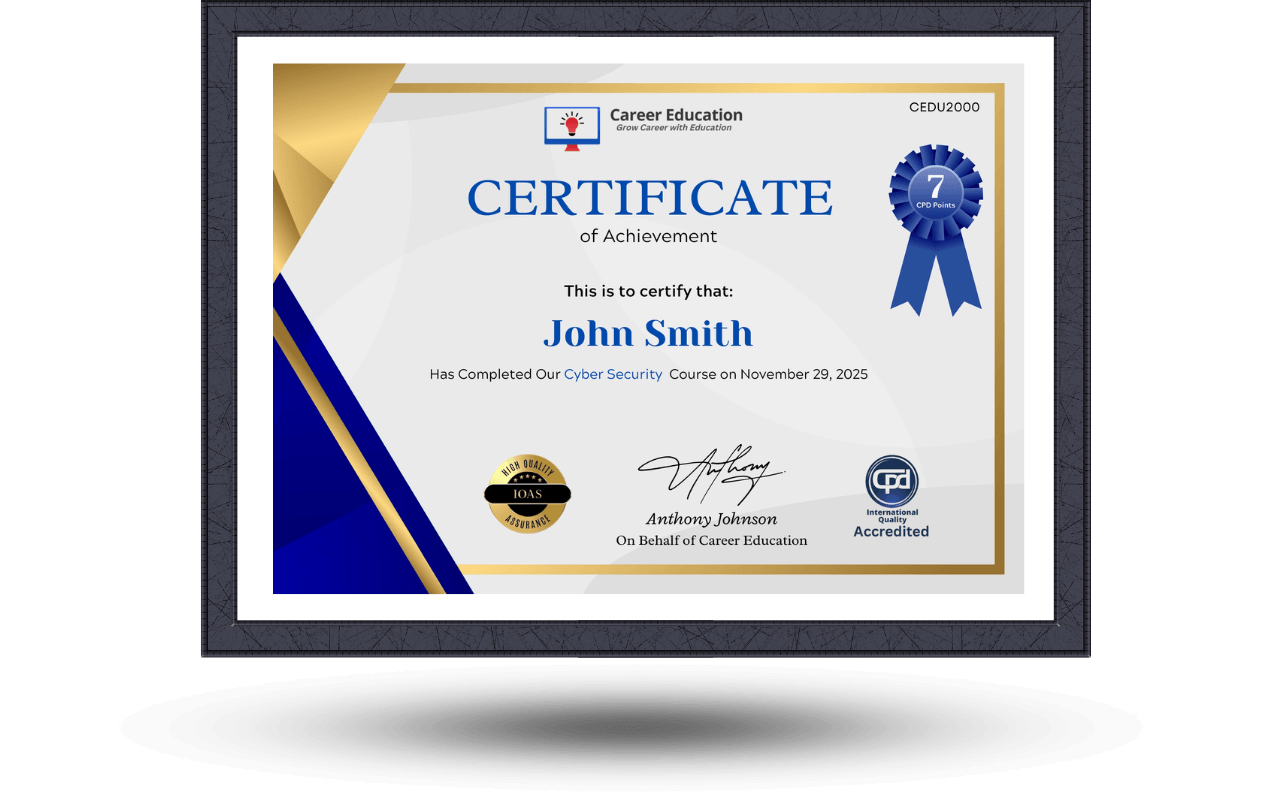
Upon completion of the course, an e-certificate will be downloadable from Khan Education signifying the completion of your course. But, the course is CPD Accredited and after you complete the assignment, you will be eligible to order a certificate accredited by CPD International Quality for £5.99 only. If you want a hardcopy certificate accredited by CPD IQ, you can get it for only £15.99.
Get your CertificateSimilar Courses