
94%
OFF
OFF
Emergency Evacuation Procedures Essentials
- Lifetime Access
- All Levels
- PDF Certificate
£296
£19
14-Day Money-Back Guarantee
Learn With Confidence









# Emergency Evacuation Procedures Essentials
When an emergency occurs, people may have only a limited amount of time to respond. Fire, hazardous material releases, severe weather, security incidents, structural problems, utility failures, and other emergencies can require people to leave a building or area quickly and safely.
Effective evacuation depends on preparation. People need to understand emergency procedures, communication channels, designated responsibilities, evacuation routes, assembly areas, available resources, and the specific considerations that may apply to different locations and individuals.
**Emergency Evacuation Procedures Essentials** is an outcome-focused course designed to provide learners with a practical foundation in emergency evacuation planning, preparedness, communication, responsibilities, equipment, and inclusive evacuation strategies.
The course is suitable for employees, supervisors, managers, safety personnel, facility teams, emergency coordinators, and anyone who may have a role in supporting safe evacuation procedures.
Rather than focusing only on what to do when an alarm sounds, the course explores the preparation and planning that should happen before an emergency occurs. Learners will develop a better understanding of how effective evacuation systems are designed, communicated, implemented, and reviewed.
—
## Why Emergency Evacuation Preparedness Matters
An emergency can create confusion, stress, and uncertainty.
People may not immediately know:
* Where to go.
* Which exit to use.
* Who is responsible for assisting others.
* Where to assemble.
* How an emergency will be communicated.
* What to do if their normal route is blocked.
* How to respond if they cannot use stairs or standard exits.
A well-developed evacuation plan can reduce uncertainty by providing clear procedures and responsibilities.
Effective evacuation planning also recognises that different emergencies may require different responses. A procedure appropriate for a fire may not be appropriate for a hazardous material release or an external environmental emergency.
**Emergency Evacuation Procedures Essentials** helps learners understand these principles and develop greater awareness of the factors that contribute to effective emergency evacuation.
—
# What You Will Learn
By completing **Emergency Evacuation Procedures Essentials**, learners will be able to:
* Explain the purpose of emergency evacuation procedures.
* Recognise common workplace and facility evacuation risks.
* Understand the importance of emergency preparedness.
* Identify key elements of an evacuation plan.
* Understand emergency communication protocols.
* Recognise evacuation roles and responsibilities.
* Understand how procedures may vary between locations.
* Identify common evacuation equipment and resources.
* Support effective assembly and accountability procedures.
* Recognise accessibility considerations during evacuation.
* Understand the importance of drills, reviews, and continuous improvement.
* Contribute to a stronger emergency preparedness culture.
—
# Course Curriculum
## Module 1: Introduction to Evacuation Procedures
### Lesson 1: Introduction to Evacuation Procedures
The course begins with an introduction to the fundamental principles of emergency evacuation.
Learners will explore what evacuation means, why evacuation procedures are important, and how effective planning can help people respond more confidently during emergencies.
Key concepts include:
* Emergency situations.
* Evacuation.
* Emergency exits.
* Escape routes.
* Assembly areas.
* Emergency alarms.
* Emergency instructions.
* Accountability.
Participants will explore how emergencies can affect decision-making and why clear procedures are important.
The module also introduces the idea that evacuation plans should be specific to the environment in which they are used.
A workplace, warehouse, school, healthcare facility, construction site, hotel, or public venue may have different evacuation challenges.
By completing this module, learners will understand the fundamental purpose of evacuation procedures and why preparedness should begin before an emergency occurs.
—
# Module 2: Risk Assessment and Preparedness
Effective evacuation starts with identifying potential hazards.
This module focuses on risk assessment and emergency preparedness.
Learners will explore:
* Hazard identification.
* Emergency scenarios.
* Evacuation routes.
* Exit availability.
* Assembly areas.
* Emergency planning.
* Alternative routes.
* Emergency contacts.
* Preparedness checks.
* Evacuation drills.
Participants will learn why organisations should consider different emergency scenarios when developing evacuation plans.
For example, an emergency involving smoke or fire may require immediate evacuation, while certain external hazards may require people to follow different protective instructions.
The module also highlights the importance of regularly reviewing evacuation plans.
Buildings change. Work activities change. Occupancy levels change. New equipment may be introduced. Construction or renovations may affect routes.
An evacuation plan that was appropriate in the past may therefore require updating.
By completing this module, learners will understand the importance of proactive risk assessment and ongoing preparedness.
—
# Module 3: Communication Protocols
Clear communication can make a significant difference during an emergency.
This module examines how emergency information can be communicated effectively.
Learners will explore:
* Emergency alarms.
* Notifications.
* Public address systems.
* Emergency contact systems.
* Verbal instructions.
* Written procedures.
* Visual signs.
* Communication chains.
* Emergency updates.
Participants will consider why emergency messages should be clear, concise, and appropriate for the situation.
People need to understand what has happened, what action is expected, where they should go, and what they should do next.
The module also highlights the importance of avoiding conflicting instructions.
Emergency communication should be coordinated so that people receive reliable information from appropriate sources.
Learners will also explore communication considerations for individuals who may have hearing, visual, language, cognitive, or other accessibility needs.
By completing this module, participants will understand how effective communication supports organised evacuation.
—
# Module 4: Roles and Responsibilities
Successful evacuation requires people to understand their responsibilities.
This module explores the roles that may exist within an emergency evacuation plan.
Depending on the organisation and applicable requirements, responsibilities may include:
* Employees.
* Supervisors.
* Emergency coordinators.
* Evacuation wardens.
* Security personnel.
* Facility managers.
* Emergency response teams.
* Visitors and contractors.
Learners will explore why responsibilities should be clearly assigned before an emergency occurs.
Participants will consider tasks such as raising an alarm, communicating instructions, guiding people toward exits, checking designated areas where appropriate, supporting accountability, and coordinating with emergency services.
The module also emphasises that individuals should never place themselves at unnecessary risk while attempting to assist others.
Learners will develop a better understanding of how clearly defined responsibilities can improve coordination during evacuation.
By completing this module, participants will be better prepared to understand their role within an emergency evacuation plan.
—
# Module 5: Evacuation Procedures for Specific Locations
Different environments can present different evacuation challenges.
This module examines how evacuation procedures may need to be adapted to specific locations.
Learners will explore considerations for environments such as:
* Offices.
* Warehouses.
* Industrial facilities.
* Schools.
* Healthcare environments.
* Construction sites.
* Public buildings.
* Multi-storey facilities.
* Remote or temporary work locations.
Participants will consider factors such as building layout, occupancy, available exits, stairs, lifts, hazardous areas, equipment, visitors, and alternative evacuation routes.
The module highlights the importance of following site-specific emergency procedures rather than assuming that one evacuation strategy will work everywhere.
For example, certain emergencies may require people to avoid particular areas, while some facilities may have specialised procedures for vulnerable occupants or hazardous work zones.
By completing this module, learners will understand why evacuation procedures should reflect the specific characteristics and risks of each location.
—
# Module 6: Evacuation Equipment and Resources
Evacuation plans depend on appropriate resources.
This module introduces common equipment and resources that may support emergency evacuation and preparedness.
These may include:
* Emergency alarms.
* Exit signs.
* Emergency lighting.
* Communication equipment.
* Emergency plans.
* Assembly-point signs.
* Accessibility equipment.
* Emergency contact information.
* Accountability systems.
* Emergency response resources.
Learners will explore the importance of ensuring that evacuation equipment is accessible, maintained, clearly identified, and suitable for its intended purpose.
The module also highlights the importance of regular checks and inspections in accordance with applicable workplace procedures and requirements.
Participants will consider how equipment can support evacuation but also why equipment should not replace effective planning and training.
By completing this module, learners will have greater awareness of the resources that may contribute to effective evacuation preparedness.
—
# Module 7: Evacuation Strategies for People with Disabilities
Emergency planning should consider the needs of everyone who may be affected by an evacuation.
This module focuses on inclusive evacuation planning and accessibility.
Learners will explore considerations relating to:
* Mobility limitations.
* Visual impairments.
* Hearing impairments.
* Cognitive disabilities.
* Communication needs.
* Temporary injuries.
* Accessible routes.
* Assistance procedures.
* Individual emergency plans.
Participants will learn why evacuation plans should avoid assumptions about what an individual can or cannot do.
Effective planning may involve consulting individuals about their needs, identifying suitable routes, establishing appropriate assistance arrangements, and ensuring that emergency communication is accessible.
The module also highlights the importance of preserving dignity, independence, and personal choice wherever possible while maintaining safety.
By completing this module, learners will understand the importance of inclusive emergency planning and supporting safer evacuation for people with disabilities and other accessibility needs.
—
# Who Is This Course For?
**Emergency Evacuation Procedures Essentials** can benefit individuals across a wide range of workplaces and environments.
It is suitable for:
* Employees.
* Supervisors.
* Managers.
* Safety professionals.
* Emergency coordinators.
* Evacuation wardens.
* Facility managers.
* Security personnel.
* HR professionals.
* Workplace safety teams.
* School and education staff.
* Healthcare personnel.
* Construction teams.
* Hospitality workers.
* Warehouse personnel.
* Office teams.
The course can also serve as general awareness training for organisations seeking to strengthen emergency preparedness.
—
# Practical Learning Outcomes
The course is designed around practical and outcome-focused learning.
After completing **Emergency Evacuation Procedures Essentials**, learners will be better prepared to:
### Understand Evacuation Principles
Explain why evacuation procedures are important and recognise the factors that influence effective emergency response.
### Identify Risks
Recognise potential hazards and understand why evacuation planning should be based on the characteristics of the specific environment.
### Communicate During Emergencies
Understand the importance of clear, timely, accessible, and consistent emergency communication.
### Understand Responsibilities
Recognise the roles different people may have within an evacuation plan.
### Follow Location-Specific Procedures
Understand why offices, industrial facilities, schools, healthcare environments, construction sites, and other locations may require different evacuation arrangements.
### Recognise Evacuation Resources
Understand the purpose of alarms, emergency lighting, exit signs, communication systems, assembly areas, and other resources.
### Support Inclusive Evacuation
Recognise the importance of considering accessibility and individual needs when developing and implementing evacuation procedures.
—
# Build a Stronger Emergency Preparedness Culture
Emergency preparedness is most effective when it becomes part of everyday workplace safety.
Employees should know where to find emergency information. Supervisors should understand their responsibilities. Emergency coordinators should have appropriate procedures. Organisations should regularly review plans and conduct suitable exercises or drills.
Training can help turn written emergency procedures into practical knowledge.
**Emergency Evacuation Procedures Essentials** helps learners understand not only what an evacuation plan may contain, but also why preparation, communication, responsibility, accessibility, and regular review are important.
—
# Prepare Before an Emergency Happens
The worst time to learn about evacuation procedures is during an actual emergency.
Preparedness provides people with an opportunity to become familiar with routes, alarms, assembly points, responsibilities, and communication methods before they are urgently needed.
Regular training and drills can also reveal problems that may not be obvious on paper.
For example, an emergency exit may be difficult to access, an assembly area may be unsuitable, communication may not reach every area, or procedures may not adequately address accessibility needs.
Identifying these issues in advance allows organisations to improve their emergency arrangements.
—
# Support Clear and Organised Evacuation
Effective evacuation is about more than simply leaving a building.
People need to know how to respond, where to go, how to communicate, and what to do once they reach a designated safe area.
Accountability and communication after evacuation are also important components of emergency planning.
A well-organised approach can help reduce confusion and support coordination with emergency responders.
—
# Create More Inclusive Emergency Plans
An effective emergency plan should consider the full range of people who may be present.
Visitors, contractors, employees, customers, students, patients, and members of the public may all have different needs.
Planning for accessibility in advance can help organisations identify potential barriers and establish appropriate procedures.
**Emergency Evacuation Procedures Essentials** encourages learners to consider inclusion as an integral part of emergency preparedness.
—
# Enrol in Emergency Evacuation Procedures Essentials Today
Emergencies can happen unexpectedly, but preparedness does not have to.
**Emergency Evacuation Procedures Essentials** provides a structured seven-module learning experience covering evacuation fundamentals, risk assessment, preparedness, communication, roles and responsibilities, location-specific procedures, evacuation resources, and strategies for people with disabilities.
The course is intended for general educational purposes and does not replace site-specific emergency action plans, professional emergency management advice, applicable laws and regulations, building requirements, fire codes, accessibility requirements, or instructions from emergency services. Organisations should always develop and maintain evacuation procedures appropriate to their specific facilities, hazards, occupants, and jurisdiction.
Whether you are an employee, supervisor, manager, safety professional, facility coordinator, or emergency planning team member, this course can provide a valuable foundation for understanding evacuation preparedness.
**Enrol today and develop the knowledge to recognise evacuation risks, understand emergency communication, clarify responsibilities, support inclusive evacuation planning, and contribute to a safer and more prepared workplace.**
Course Modules
Course Content
Module 1_ Introduction to Evacuation Procedures
-
Lesson 1_ Introduction to Evacuation Procedures
Module 2_ Risk Assessment and Preparedness
Module 3_ Communication Protocols
Module 4_ Roles and Responsibilities
Module 5_ Evacuation Procedures for Specific Locations
Module 6_ Evacuation Equipment and Resources
Module 7_ Evacuation Strategies for People with Disabilities
What our students say
Excellent
4.9 average
158 Reviews

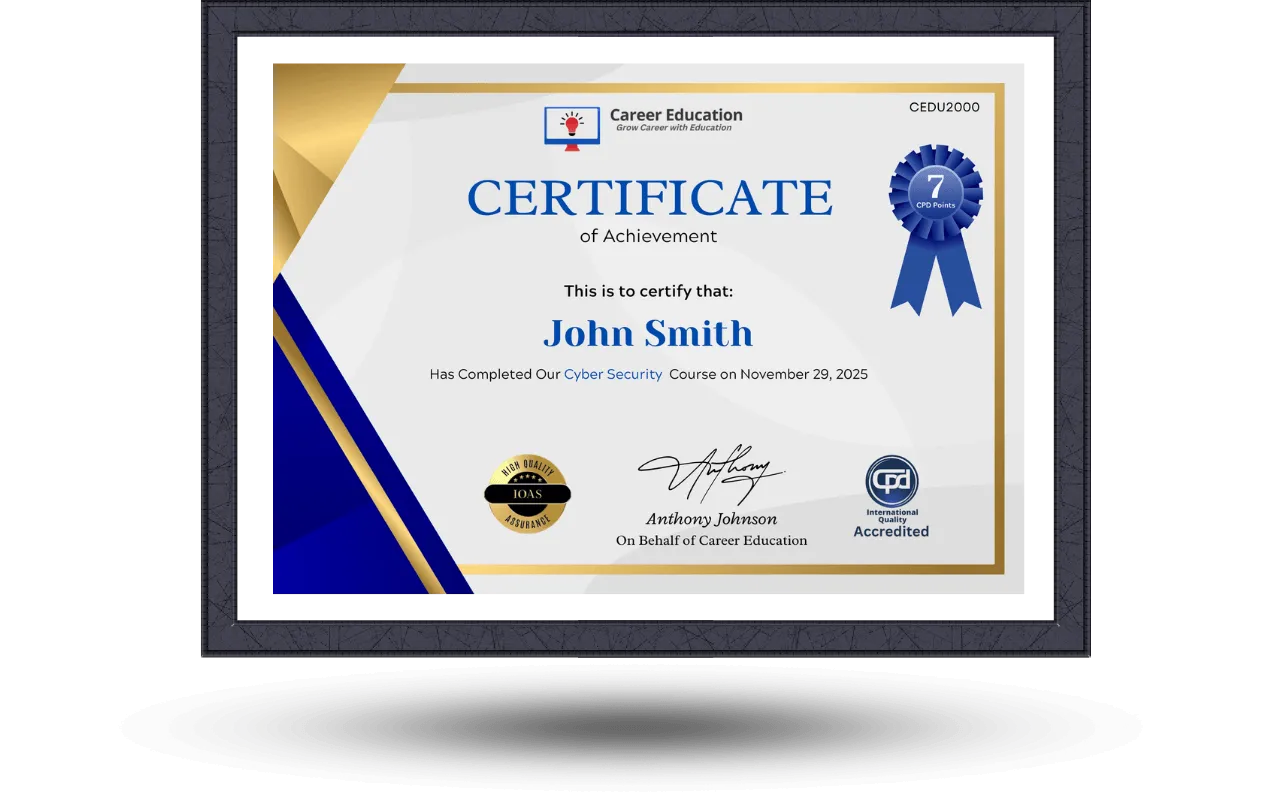
Earn an Accredited Certificate
Upon completion of any course, all students are entitled to a CPD IQ Accredited e-certificate that will be issued by Career Education signifying the completion of your course.
After you complete the course and assignment, you will be eligible to order a free certificate accredited by CPD International Quality by completing the form below.
Hardcopy certificates and transcripts are also available for a small additional fee. More information is disclosed upon course completion.
Similar Courses




Frequently Asked Questions
The lifetime membership includes unlimited access to all courses, resources, and updates for a one-time fee.
You can purchase the membership directly from our website using a secure checkout process.
Yes, selected courses can be downloaded for offline access through our mobile app.
Yes, all future updates and new courses are included at no extra cost.
Yes, we offer a 30-day money-back guarantee if you are not satisfied with the membership.