
94%
OFF
OFF
Emergency Driving Maneuvers Essentials
- Lifetime Access
- All Levels
- PDF Certificate
£296
£19
14-Day Money-Back Guarantee
Learn With Confidence









# Emergency Driving Maneuvers Essentials
Unexpected situations on the road can develop in seconds. A sudden obstacle, loss of traction, abrupt braking requirement, unexpected lane obstruction, or emergency on a curve can test a driver’s ability to remain calm and maintain control. Understanding how a vehicle responds to steering, braking, acceleration, and changes in road conditions can help drivers make more informed and controlled decisions.
**Emergency Driving Maneuvers Essentials** is an outcome-focused course designed to provide drivers with a foundational understanding of vehicle dynamics and essential emergency driving techniques. The course explores braking, steering control, collision avoidance, skid recovery, emergency lane changes, and handling curve emergencies.
Rather than relying on instinct alone, effective emergency driving requires an understanding of how vehicles behave under changing conditions. Speed, road surface, vehicle weight, tyre grip, steering input, braking force, and environmental conditions can all influence vehicle control.
This course helps learners understand these factors and develop greater awareness of appropriate responses to unexpected driving situations.
Whether you are a professional driver, fleet employee, delivery driver, company vehicle operator, commuting professional, or safety-conscious motorist, **Emergency Driving Maneuvers Essentials** can provide valuable knowledge for improving emergency driving awareness and vehicle-control decision-making.
—
## Why Emergency Driving Skills Matter
Drivers cannot predict every hazard they may encounter.
A vehicle ahead may stop suddenly. An object may enter the roadway. A road surface may become slippery. A driver may need to change lanes unexpectedly. A vehicle may begin to lose traction while negotiating a bend.
In these situations, poor decisions or excessive control inputs can make an already difficult situation worse.
Understanding emergency manoeuvres can help drivers recognise how their actions influence vehicle behaviour.
Important factors include:
* Vehicle speed.
* Steering input.
* Braking pressure.
* Tyre traction.
* Road conditions.
* Vehicle weight distribution.
* Visibility.
* Following distance.
* Curve characteristics.
* Driver reaction time.
**Emergency Driving Maneuvers Essentials** introduces learners to these principles and explains how they relate to safer vehicle control.
—
# What You Will Learn
By completing **Emergency Driving Maneuvers Essentials**, learners will be able to:
* Explain basic vehicle dynamics.
* Understand how speed and traction influence vehicle control.
* Recognise important braking considerations.
* Understand the role of steering control during emergencies.
* Identify principles of collision avoidance.
* Understand basic skid-recovery concepts.
* Recognise considerations for emergency lane changes.
* Understand how curves can affect vehicle stability.
* Apply greater awareness to unexpected driving situations.
* Make more informed decisions when responding to road hazards.
—
# Course Curriculum
## Module 1: Understanding Vehicle Dynamics
### Lesson 1: Understanding Vehicle Dynamics
The course begins with an introduction to vehicle dynamics and the factors that influence vehicle behaviour.
Learners will explore:
* Vehicle balance.
* Traction.
* Friction.
* Weight transfer.
* Speed.
* Steering input.
* Braking forces.
* Acceleration.
* Road surface conditions.
Understanding vehicle dynamics is essential because a driver’s actions affect how a vehicle responds.
For example, braking can shift vehicle weight forward, while acceleration can shift weight rearward. Steering inputs can influence the vehicle’s direction and stability, particularly when travelling at higher speeds or on surfaces with limited traction.
Learners will also explore how road conditions can affect available grip.
Wet, icy, muddy, loose, or uneven surfaces may provide less traction than dry pavement. Understanding this can help drivers make more appropriate speed and control decisions.
The module provides a foundation for the emergency manoeuvres covered throughout the rest of the course.
By completing this module, learners will have a stronger understanding of how vehicles respond to driver inputs and changing road conditions.
—
# Module 2: Braking Techniques
Braking is one of the most important tools available to a driver when responding to an unexpected hazard.
This module focuses on braking considerations during emergency situations.
Learners will explore:
* Emergency braking.
* Braking distance.
* Reaction time.
* Vehicle speed.
* Traction.
* Road conditions.
* Brake control.
* Following distance.
* Anti-lock braking system awareness.
Participants will examine how speed can affect the distance required to stop.
A vehicle travelling faster generally requires more distance to come to a complete stop, particularly when road or weather conditions reduce available traction.
The module also highlights the importance of maintaining an appropriate following distance.
Adequate space gives drivers more time to recognise hazards and respond without relying on abrupt manoeuvres.
Learners will develop greater awareness of how braking, road conditions, speed, and reaction time interact during emergency situations.
By completing this module, participants will understand important principles that support controlled braking and safer responses to sudden hazards.
—
# Module 3: Steering Control
Effective steering control is essential when a driver needs to respond to an unexpected obstacle or change in roadway conditions.
This module explores the principles of steering control.
Learners will examine:
* Steering inputs.
* Vehicle direction.
* Smooth control.
* Driver positioning.
* Traction.
* Overcorrection.
* Visual awareness.
* Steering during emergencies.
Participants will explore why sudden or excessive steering inputs can affect vehicle stability.
When drivers encounter an unexpected hazard, there may be a temptation to make an extreme steering movement. However, excessive or abrupt inputs can reduce control, particularly when combined with high speed or limited traction.
The module emphasises the importance of controlled vehicle inputs and appropriate visual attention.
Drivers should also remain aware of the surrounding environment rather than focusing exclusively on the immediate hazard.
By completing this module, learners will gain greater awareness of steering control and its role in emergency vehicle handling.
—
# Module 4: Collision Avoidance Maneuvers
Collision avoidance involves recognising hazards and taking appropriate action to reduce the likelihood of impact.
This module focuses on the principles behind collision avoidance manoeuvres.
Learners will explore:
* Hazard recognition.
* Driver awareness.
* Reaction time.
* Braking.
* Steering.
* Escape paths.
* Following distance.
* Situational awareness.
* Decision-making.
Participants will examine why early hazard recognition is important.
The sooner a driver identifies a potential conflict, the more time may be available to reduce speed, adjust position, or take another appropriate action.
The module also explores the importance of maintaining awareness of potential escape routes.
Drivers should consider surrounding traffic, road space, pedestrians, roadside hazards, and other vehicles when responding to an unexpected situation.
Collision avoidance is not simply about reacting quickly. It involves recognising hazards, evaluating available options, and selecting an appropriate response based on the circumstances.
By completing this module, learners will develop greater awareness of the principles that support collision avoidance.
—
# Module 5: Skid Recovery
Loss of traction can create a challenging driving situation.
This module introduces learners to the basic principles associated with vehicle skids and traction loss.
Learners will explore:
* Causes of skids.
* Reduced traction.
* Wet and slippery roads.
* Driver inputs.
* Steering response.
* Braking considerations.
* Vehicle stability.
* Skid recovery principles.
Participants will examine how excessive speed, sudden control inputs, slippery surfaces, and other factors can contribute to traction loss.
The module also explores why drivers need to understand the behaviour of their specific vehicle and follow manufacturer guidance.
Different vehicles can respond differently depending on their drivetrain, tyres, electronic stability systems, load, and other characteristics.
Learners will develop greater awareness of how to respond thoughtfully to loss of traction rather than making uncontrolled or excessive inputs.
The course focuses on general principles rather than replacing hands-on driver training.
By completing this module, participants will understand important factors associated with skids and vehicle traction.
—
# Module 6: Emergency Lane Changes
Sometimes a driver may encounter an unexpected obstacle that requires an immediate change in vehicle position.
This module focuses on emergency lane-change considerations.
Learners will explore:
* Hazard recognition.
* Mirror awareness.
* Blind spots.
* Surrounding traffic.
* Steering control.
* Speed management.
* Vehicle stability.
* Safe spacing.
Participants will consider why an emergency lane change should never be viewed as an automatic solution.
Before changing direction, drivers need to consider whether another lane or escape area is actually available.
Other vehicles, pedestrians, barriers, road conditions, and blind spots can create additional hazards.
The module emphasises the importance of maintaining awareness of the entire driving environment.
Learners will also examine how speed and abrupt steering can affect vehicle stability during a rapid change of direction.
By completing this module, drivers will develop greater awareness of the factors that should be considered when responding to an unexpected obstacle or roadway change.
—
# Module 7: Handling Curve Emergencies
Curves can create unique challenges because vehicle direction, speed, traction, visibility, and road geometry interact.
This module focuses on emergency situations that can occur while negotiating curves.
Learners will explore:
* Curve awareness.
* Speed management.
* Steering control.
* Traction.
* Road visibility.
* Weight transfer.
* Vehicle stability.
* Hazard recognition.
Participants will examine why entering a curve at an inappropriate speed can reduce the driver’s available options.
A curve may also contain hazards that are difficult to see in advance, including stopped vehicles, debris, animals, pedestrians, poor road surfaces, or unexpected traffic.
The module encourages learners to consider road conditions and visibility before and during curve negotiation.
Participants will develop greater awareness of how speed and control inputs can influence vehicle behaviour while cornering.
By completing this module, learners will have a stronger foundation for recognising and managing curve-related driving hazards.
—
# Who Is This Course For?
**Emergency Driving Maneuvers Essentials** is suitable for individuals who operate vehicles regularly and want to improve their understanding of emergency vehicle control.
It can benefit:
* Professional drivers.
* Fleet drivers.
* Delivery drivers.
* Commercial vehicle operators.
* Company vehicle users.
* Transport personnel.
* Field service workers.
* Sales professionals who drive for work.
* Safety-conscious motorists.
* Drivers seeking general emergency manoeuvre awareness.
The course can also serve as supplementary theoretical learning alongside appropriate practical driver training.
—
# Practical Learning Outcomes
The course is designed around practical driving awareness.
After completing **Emergency Driving Maneuvers Essentials**, learners will be better prepared to:
### Understand Vehicle Behaviour
Recognise how speed, traction, weight transfer, steering, and braking influence vehicle dynamics.
### Improve Hazard Awareness
Identify potential road hazards earlier and consider available response options.
### Understand Emergency Braking
Recognise how reaction time, speed, road conditions, and vehicle characteristics influence stopping distance.
### Apply Better Steering Awareness
Understand how steering inputs affect vehicle direction and stability.
### Recognise Collision Avoidance Options
Evaluate braking, steering, positioning, and surrounding traffic when responding to potential hazards.
### Understand Traction Loss
Recognise common factors associated with skids and understand general principles of maintaining or regaining vehicle control.
### Manage Emergency Lane Changes
Understand the importance of checking surrounding traffic, maintaining awareness, and considering vehicle stability.
### Handle Curve Emergencies
Recognise how speed, road conditions, visibility, and steering can influence vehicle control on curves.
—
# Build Greater Driver Confidence Through Knowledge
Confidence behind the wheel should be based on knowledge and appropriate preparation rather than overconfidence.
Understanding how vehicles behave can help drivers make more informed decisions when road conditions change unexpectedly.
**Emergency Driving Maneuvers Essentials** helps learners develop awareness of the relationship between driver inputs and vehicle behaviour.
The course does not encourage aggressive driving or unnecessary risk-taking. Instead, it emphasises anticipation, controlled responses, appropriate speed, hazard awareness, and maintaining adequate space.
—
# Understand the Importance of Prevention
Emergency manoeuvres are important, but prevention remains a fundamental part of safe driving.
Drivers can reduce the likelihood of needing emergency manoeuvres by:
* Maintaining appropriate speeds.
* Keeping a safe following distance.
* Monitoring road and weather conditions.
* Staying alert.
* Avoiding distractions.
* Maintaining their vehicle appropriately.
* Anticipating the actions of other road users.
* Adjusting driving to the environment.
Emergency skills should complement, rather than replace, defensive and responsible driving practices.
—
# Prepare for Unexpected Road Situations
No driver can eliminate every possible road hazard.
However, drivers can improve their preparedness by understanding how vehicles behave and considering appropriate responses before an emergency occurs.
Learning about braking, steering, traction, collision avoidance, lane changes, and curve emergencies can help drivers develop a more informed approach to unexpected situations.
—
# Enrol in Emergency Driving Maneuvers Essentials Today
Unexpected driving situations can happen in seconds. Having a strong understanding of vehicle dynamics and emergency manoeuvre principles can help drivers respond more thoughtfully when circumstances change.
**Emergency Driving Maneuvers Essentials** provides a structured seven-module learning experience covering vehicle dynamics, braking techniques, steering control, collision avoidance manoeuvres, skid recovery, emergency lane changes, and curve emergencies.
The course is intended for general educational and driver-safety awareness purposes. It does not replace licensed driver education, hands-on advanced driver training, vehicle-specific instruction, professional coaching, manufacturer guidance, or applicable traffic laws and regulations. Emergency manoeuvres should only be practised in suitable controlled environments under qualified supervision.
Whether you are a professional driver, fleet operator, company vehicle user, or safety-conscious motorist, **Emergency Driving Maneuvers Essentials** can provide valuable knowledge for understanding vehicle control and responding more appropriately to unexpected driving situations.
**Enrol today and develop greater awareness of vehicle dynamics, braking, steering, collision avoidance, traction loss, emergency lane changes, and curve-related hazards—helping you build a stronger foundation for safer and more informed driving.**
Course Modules
Course Content
Module 1_ Understanding Vehicle Dynamics
-
Lesson 1_ Understanding Vehicle Dynamics
Module 2_ Braking Techniques
Module 3_ Steering Control
Module 4_ Collision Avoidance Maneuvers
Module 5_ Skid Recovery
Module 6_ Emergency Lane Changes
Module 7_ Handling Curve Emergencies
What our students say
Excellent
4.9 average
158 Reviews

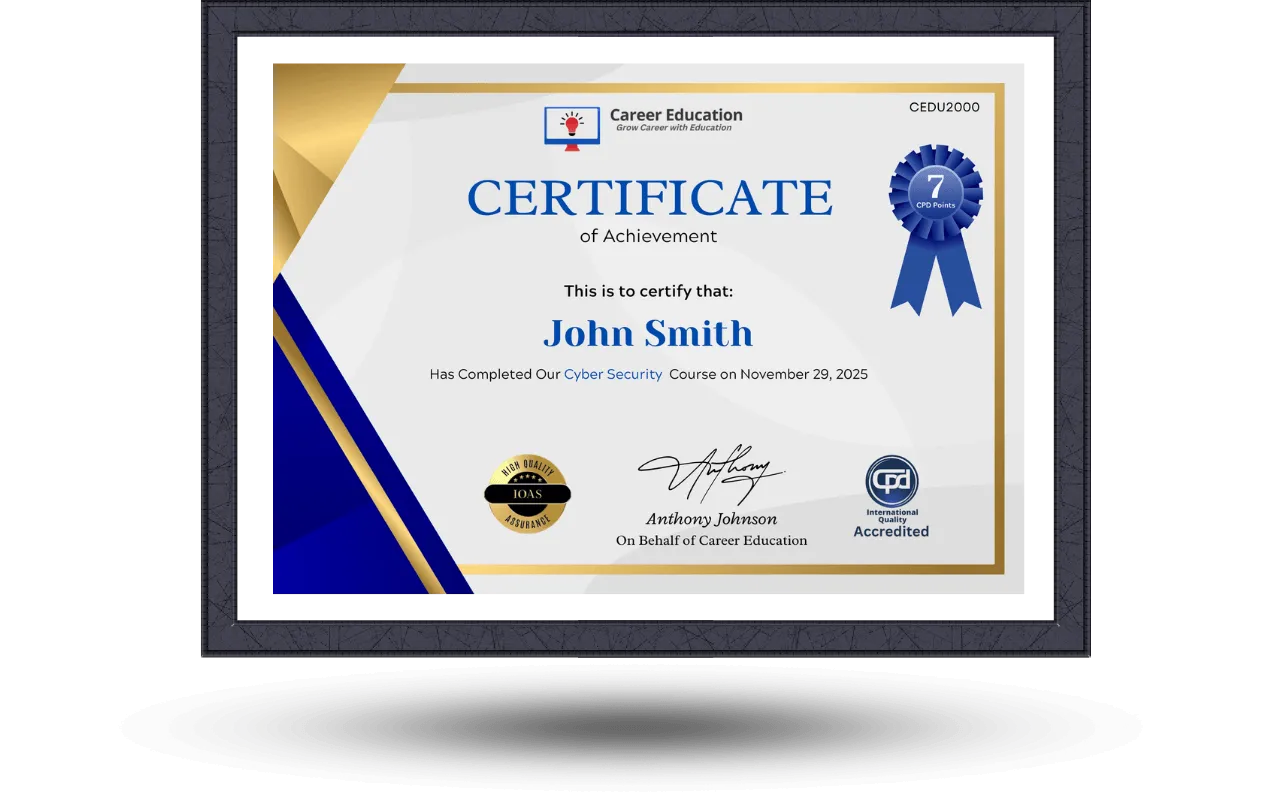
Earn an Accredited Certificate
Upon completion of any course, all students are entitled to a CPD IQ Accredited e-certificate that will be issued by Career Education signifying the completion of your course.
After you complete the course and assignment, you will be eligible to order a free certificate accredited by CPD International Quality by completing the form below.
Hardcopy certificates and transcripts are also available for a small additional fee. More information is disclosed upon course completion.
Similar Courses




Frequently Asked Questions
The lifetime membership includes unlimited access to all courses, resources, and updates for a one-time fee.
You can purchase the membership directly from our website using a secure checkout process.
Yes, selected courses can be downloaded for offline access through our mobile app.
Yes, all future updates and new courses are included at no extra cost.
Yes, we offer a 30-day money-back guarantee if you are not satisfied with the membership.