OFF
Email List Segmentation Strategies
- Lifetime Access
- All Levels
- PDF Certificate
Learn With Confidence









Overview
Email List Segmentation Strategies
Turn Your Email List Into a More Targeted and Effective Marketing Asset
A large email list can be valuable, but size alone does not guarantee strong engagement or successful marketing results. Sending the same message to every subscriber can result in low engagement, irrelevant content, unsubscribes, and missed opportunities. Email List Segmentation Strategies provide a practical way to organise subscribers into meaningful groups and deliver communications that are more relevant to their interests, behaviours, and needs.
This course is designed to help learners understand how effective segmentation can improve email marketing performance. Rather than treating every subscriber identically, you will learn how to identify useful differences within your audience, use segmentation features effectively, and develop appropriate follow-up approaches.
By completing this course, you can build a stronger understanding of how targeted email communication works and how segmentation can support more personalised customer journeys.
Why Learn Email List Segmentation Strategies?
Email marketing works best when subscribers receive content that is relevant to them. A new subscriber may need introductory information, while a long-term customer may be interested in advanced products, special offers, or loyalty communications. Similarly, someone who regularly opens emails may respond differently from someone who has not engaged for several months.
Email List Segmentation Strategies help marketers recognise these differences and use them to create more focused campaigns.
Instead of relying on one-size-fits-all communication, segmentation allows businesses to make better use of the information they already have about their audiences. This can support more relevant messaging, stronger engagement, improved campaign organisation, and better use of marketing resources.
Whether you are involved in digital marketing, email campaigns, customer communication, sales, or business development, understanding segmentation can help you make more informed decisions about how and when to communicate with subscribers.
What Will You Learn?
This course focuses on three important areas of email list segmentation:
-
List Segmentation
-
Segmentation Features
-
Following Up
Together, these modules provide a practical foundation for understanding how subscriber groups can be created, managed, and used as part of an email marketing strategy.
You will explore how segmentation works, what information can be used to create useful audience groups, and how follow-up communication can be adapted according to subscriber behaviour and characteristics.
Module 1: List Segmentation
The first module introduces the fundamentals of list segmentation and explains why dividing an email audience into relevant groups can be beneficial.
You will develop an understanding of how a broad subscriber database can contain people with different interests, behaviours, preferences, and levels of engagement. Treating these groups differently can make marketing communication more purposeful.
You will explore the principles behind creating meaningful segments and consider how businesses can organise subscribers according to information that is useful for their marketing objectives.
This module can help you understand:
-
What email list segmentation means
-
Why segmentation matters in email marketing
-
How broad audiences can be divided into relevant groups
-
The importance of identifying meaningful subscriber characteristics
-
How segmentation can support more targeted communication
-
How audience differences can influence marketing decisions
-
The relationship between segmentation and subscriber engagement
By the end of this module, you will have a clearer understanding of why segmentation is an important part of an organised email marketing strategy.
Outcome: Build a More Organised Audience
A key outcome of this module is the ability to think about your email database in a more structured way. Rather than viewing your subscribers as one large audience, you will understand how different groups may require different types of communication.
This can help you create more focused campaigns and make your email marketing activities more relevant to the people receiving them.
Module 2: Segmentation Features
Once you understand the fundamentals of list segmentation, the next step is identifying the features that can be used to create useful segments.
The second module focuses on segmentation features and how different subscriber characteristics can help marketers develop more targeted groups.
Depending on the marketing platform and information available, businesses may be able to use different types of subscriber data to distinguish between audience groups. Understanding these features can help you decide which information is genuinely useful for your campaigns.
You will explore how segmentation can take account of factors such as subscriber characteristics, interests, interactions, engagement, and other relevant information.
This module can help you understand:
-
Different features that can support email segmentation
-
How subscriber information can be used to create audience groups
-
How engagement-related information can influence segmentation
-
Why relevant data is important when building segments
-
How segmentation features can support personalised communication
-
How to select information that aligns with campaign objectives
-
How different audience characteristics can influence messaging
Outcome: Create More Relevant Audience Groups
After completing this module, you will have a stronger understanding of how segmentation features can be used to distinguish between subscribers.
This knowledge can help you develop groups that are more closely aligned with your campaign goals. For example, instead of sending identical communications to every subscriber, you can consider whether different groups should receive different content, offers, reminders, or follow-up messages.
The result is a more deliberate approach to email marketing where audience information contributes to campaign decisions.
Module 3: Following Up
Segmentation is not only about creating groups. It is also about using those groups effectively throughout the customer communication process.
The third module focuses on following up with subscribers and understanding how segmented audiences can support more appropriate follow-up communication.
Effective follow-up can help maintain engagement and keep communication relevant. Different subscribers may be at different stages of their relationship with a business, so the most suitable follow-up can vary from one segment to another.
You will explore how segmentation can inform follow-up activities and how marketers can use audience information to make their communications more purposeful.
This module can help you understand:
-
The importance of follow-up communication
-
How segmentation can influence follow-up decisions
-
Why different subscriber groups may require different follow-up approaches
-
How to maintain more relevant communication over time
-
How subscriber responses can inform future marketing activity
-
The importance of consistency in email communication
-
How follow-up can contribute to longer-term audience engagement
Outcome: Develop More Purposeful Follow-Up
By completing this module, you will understand how segmentation can extend beyond the initial email campaign.
You can use your understanding of subscriber groups to think more strategically about what communication should happen next. This can support more structured customer journeys and reduce the likelihood of sending irrelevant messages.
Practical Benefits of Email List Segmentation Strategies
Learning Email List Segmentation Strategies can provide valuable benefits for individuals and organisations involved in email marketing.
Improve Message Relevance
One of the biggest benefits of segmentation is the opportunity to make messages more relevant. When communications are aligned with the interests or characteristics of a particular audience group, subscribers may find the content more useful.
Support Better Engagement
Relevant communication can create stronger opportunities for subscribers to interact with emails. Segmentation gives marketers a framework for considering which messages are appropriate for different groups.
Reduce One-Size-Fits-All Marketing
Every subscriber is different. Segmentation helps marketers move away from sending exactly the same communication to everyone and instead consider the needs of different audience groups.
Make Better Use of Subscriber Data
Businesses often collect valuable information about their subscribers. Understanding segmentation helps marketers consider how that information can be organised and applied to marketing campaigns.
Create More Structured Campaigns
Segmentation can help bring greater structure to email marketing. Instead of planning campaigns around a single broad audience, marketers can develop communication strategies around clearly defined groups.
Support Customer Relationships
Consistent and relevant communication can contribute to stronger long-term relationships with subscribers. Segmentation can help businesses communicate in a way that reflects where different audiences are within their customer journey.
Who Is This Course For?
Email List Segmentation Strategies is suitable for learners who want to develop their understanding of targeted email marketing and audience management.
It may be particularly useful for:
-
Aspiring digital marketers
-
Email marketing professionals
-
Marketing assistants
-
Small business owners
-
Entrepreneurs
-
Business development professionals
-
Sales and marketing teams
-
Content marketers
-
Freelancers working with email campaigns
-
Professionals responsible for customer communications
-
Anyone looking to improve their understanding of email audience segmentation
The course can also benefit learners who already have some knowledge of email marketing and want to develop a more structured approach to managing subscriber audiences.
Build Practical Marketing Skills
Email marketing is more than writing an attractive subject line or creating an engaging newsletter. Successful campaigns require an understanding of the people receiving the communication.
Email List Segmentation Strategies focuses on this important part of email marketing by helping learners understand how audiences can be divided, analysed, and approached more effectively.
You will learn to look beyond the size of an email list and consider the quality and relevance of communication. This shift in perspective can help you develop a more audience-focused approach to marketing.
Rather than asking, “What should we send to everyone?”, segmentation encourages a more useful question: “What does this particular group need from us?”
That mindset can make a meaningful difference to how email campaigns are planned and delivered.
Develop a More Targeted Email Marketing Approach
As digital communication continues to evolve, audiences increasingly expect relevant and useful content. Businesses that understand their audiences are better positioned to create communication that reflects subscriber interests and behaviours.
Learning Email List Segmentation Strategies gives you a foundation for approaching this challenge systematically.
You will gain knowledge of how segmentation works, how segmentation features can be used, and how follow-up communication can be connected to audience groups. These skills can help you approach email marketing with greater structure and purpose.
The course is focused on outcomes that can be applied to real-world marketing activities. By the end, you should have a stronger understanding of how to organise subscriber information, identify meaningful audience groups, and consider how those groups can influence communication.
Take the Next Step in Your Email Marketing Knowledge
A successful email marketing strategy starts with understanding your audience.
Email List Segmentation Strategies provides a focused introduction to the principles and practices that can help marketers communicate with different subscriber groups more effectively. Through the three modules, you will explore list segmentation, segmentation features, and follow-up strategies.
By completing the course, you can develop a stronger foundation in targeted email communication and gain practical knowledge that can support your future marketing activities.
Whether you are developing campaigns for a business, managing an email database, supporting a marketing team, or building your own digital marketing skills, this course can help you take a more structured approach to audience communication.
Enrol in Email List Segmentation Strategies today and develop the knowledge to create more targeted, relevant, and purposeful email marketing campaigns.
Course Modules
Course Content
Copy of Module 1_ List Segmentation
-
Copy of Lesson 1_ List Segmentation
Copy of Module 2_ Segmentation Features
Copy of Module 3_ Following Up
What our students say

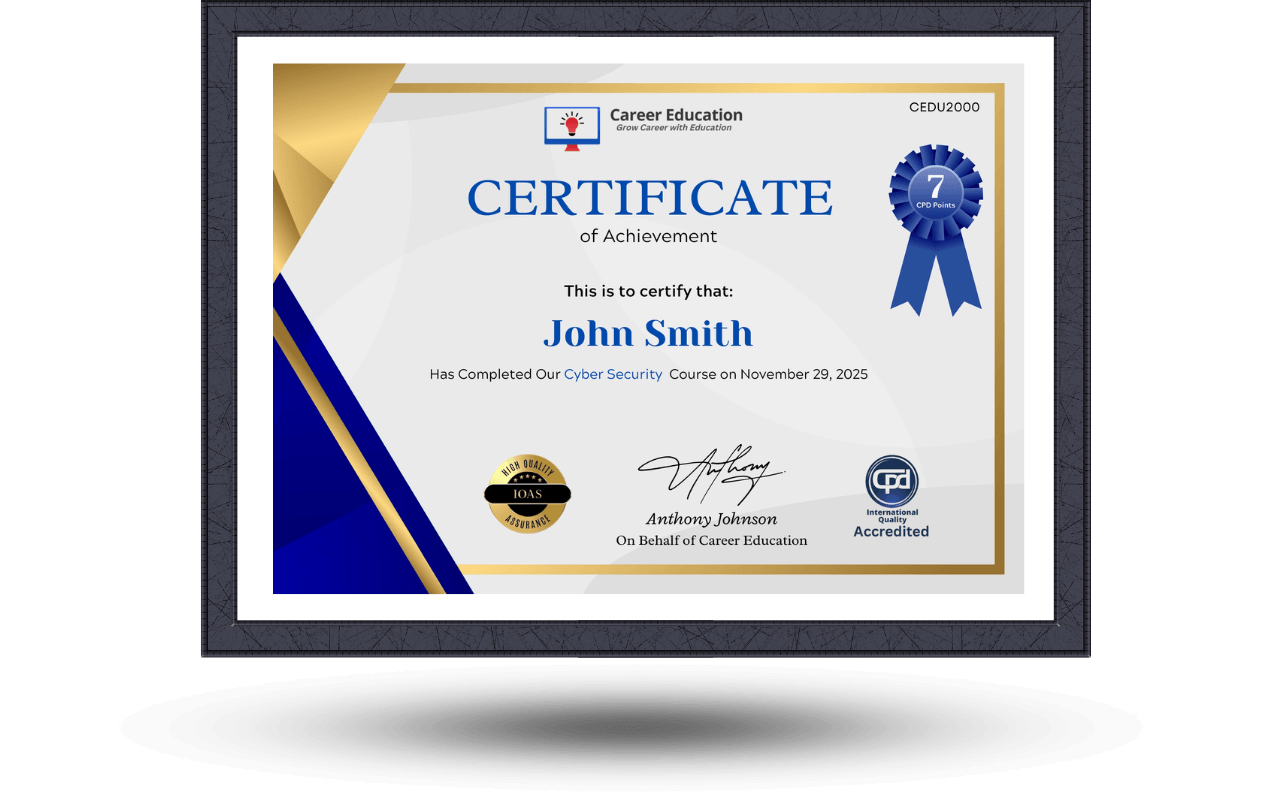
Earn an Accredited Certificate
Upon completion of the course, an e-certificate will be downloadable from Khan Education signifying the completion of your course. But, the course is CPD Accredited and after you complete the assignment, you will be eligible to order a certificate accredited by CPD International Quality for £5.99 only. If you want a hardcopy certificate accredited by CPD IQ, you can get it for only £15.99.
Get your CertificateSimilar Courses