
94%
OFF
OFF
Educational Psychology for Teaching
- Lifetime Access
- All Levels
- PDF Certificate
£296
£19
14-Day Money-Back Guarantee
Learn With Confidence









Educational Psychology for Teaching
Educational Psychology for Teaching Course Overview
Understanding how students think, learn, and develop is one of the most valuable skills any educator can possess. Educational Psychology for Teaching is designed to help current and aspiring teachers build a strong foundation in the psychological principles that influence learning, behaviour, motivation, and classroom success.
This comprehensive course explores the science behind effective teaching by examining how learners develop cognitively, socially, emotionally, and academically. Through practical examples and evidence-based strategies, you will learn how to create engaging learning experiences, manage diverse classrooms, support students with different learning needs, and foster positive educational outcomes.
Whether you teach in schools, colleges, training centres, or online environments, Educational Psychology for Teaching equips you with practical techniques that can immediately improve your teaching practice. By understanding why students behave the way they do and how learning actually occurs, you will become a more confident, reflective, and effective educator.
Throughout this course, you will gain the knowledge needed to design learner-centred lessons, improve student engagement, strengthen classroom relationships, and promote lifelong learning. Every module combines educational theory with practical classroom application, ensuring that what you learn can be used in real teaching situations.
If you are passionate about helping learners reach their full potential, Educational Psychology for Teaching provides the knowledge, skills, and confidence needed to make a meaningful impact in education.
Course Description
Great teaching goes beyond delivering information—it requires understanding how people learn. Educational Psychology for Teaching introduces the psychological concepts that influence learning, behaviour, memory, motivation, communication, assessment, and classroom management.
The course begins by introducing the foundations of educational psychology before exploring child development and the stages that influence learning throughout childhood and adolescence. You will examine major learning theories developed by influential psychologists and discover how these theories can be applied in modern classrooms.
As you progress, you will learn practical methods for increasing student motivation, encouraging engagement, and supporting learners with diverse educational needs. The course also explores inclusive education, ensuring every learner receives opportunities to succeed regardless of background, ability, or learning style.
Assessment plays a vital role in education, and this programme explains how to evaluate student progress fairly while using assessment results to improve future teaching. You will also develop strategies for positive behaviour management, helping you build productive learning environments that encourage respect, participation, and academic achievement.
Modern education increasingly relies on digital technologies, making it essential for teachers to understand how technology supports learning. This course examines educational technology, digital media, and their role in enhancing classroom experiences while maintaining effective teaching practices.
In addition, Educational Psychology for Teaching focuses on the professional growth of educators. You will explore teacher wellbeing, reflective practice, emotional intelligence, resilience, and continuous professional development to help sustain a successful teaching career.
By completing Educational Psychology for Teaching, you will develop the ability to:
-
Understand how students learn and develop.
-
Apply educational psychology principles in everyday teaching.
-
Improve lesson planning using evidence-based learning theories.
-
Increase student motivation and classroom engagement.
-
Support learners with different abilities and educational needs.
-
Build positive classroom relationships.
-
Improve behaviour management strategies.
-
Design effective assessments.
-
Promote inclusive learning environments.
-
Continue developing as a reflective and effective educator.
This course is suitable for both experienced educators looking to refresh their knowledge and individuals beginning their journey into education.
Course Curriculum
Module 1: Introduction to Educational Psychology
Begin with the core concepts that define educational psychology and understand why psychology is fundamental to effective teaching. You will explore historical developments, major psychological perspectives, and the relationship between teaching, learning, and human behaviour. This module establishes the essential framework for the entire Educational Psychology for Teaching course.
Module 2: Child Development and Learning
Gain an in-depth understanding of physical, cognitive, emotional, social, and language development. Learn how developmental stages influence classroom learning and discover practical ways to adapt teaching methods according to learners’ developmental needs.
Module 3: Learning Theories and Approaches
Explore influential theories from behaviourism, cognitivism, constructivism, social learning theory, and humanistic psychology. Learn how different educational approaches affect lesson planning, instruction, classroom interaction, and student achievement.
Module 4: Motivation and Engagement in Learning
Discover what motivates learners to participate, achieve, and remain engaged. Examine intrinsic and extrinsic motivation, goal-setting, feedback, self-efficacy, and strategies that encourage active learning while reducing disengagement.
Module 5: Individual Differences and Inclusive Education
Every learner is unique. This module explains how intelligence, personality, culture, language, learning preferences, and special educational needs influence learning. Develop practical strategies that promote equality, accessibility, and inclusive teaching practices.
Module 6: Assessment and Evaluation
Learn the principles of formative and summative assessment, effective feedback, performance measurement, and evaluation techniques. Understand how assessments support learning while helping teachers continuously improve instruction.
Module 7: Behaviour Management and Classroom Psychology
Develop positive classroom management techniques based on psychological principles. Learn how to encourage appropriate behaviour, resolve conflicts, establish routines, manage challenging situations, and create supportive learning environments that encourage academic success.
Module 8: Cognitive Processes and Learning Strategies
Explore attention, memory, thinking, problem-solving, critical thinking, and metacognition. Learn practical teaching strategies that strengthen knowledge retention and improve learners’ ability to process and apply information effectively.
Module 9: Technology, Media, and Learning
Discover how digital technology, multimedia resources, online learning platforms, educational software, and artificial intelligence support modern education. Learn how technology enhances engagement while maintaining effective instructional practices.
Module 10: Teacher Psychology and Professional Development
Teaching requires continuous growth. This final module focuses on teacher wellbeing, emotional intelligence, reflective practice, resilience, communication skills, ethical practice, and ongoing professional development to support long-term teaching success.
Why Choose Educational Psychology for Teaching?
Education continues to evolve, making it increasingly important for teachers to understand the psychological foundations of learning. Educational Psychology for Teaching combines educational theory with practical teaching strategies that can be applied in real classrooms.
Key benefits include:
-
Comprehensive understanding of educational psychology principles.
-
Practical classroom-focused learning.
-
Evidence-based teaching strategies.
-
Improved student engagement techniques.
-
Inclusive education practices.
-
Behaviour management skills.
-
Assessment and evaluation knowledge.
-
Professional teaching development.
-
Flexible online learning.
-
Lifetime knowledge applicable across educational settings.
Unlike courses that focus only on teaching techniques, Educational Psychology for Teaching explains why those techniques work, helping you become a more thoughtful and effective educator.
Learning Outcomes
Upon successful completion of Educational Psychology for Teaching, you will be able to:
-
Explain the core principles of educational psychology.
-
Understand child and adolescent development.
-
Apply major learning theories to lesson planning.
-
Increase student motivation and participation.
-
Recognise individual learning differences.
-
Create inclusive classroom environments.
-
Design effective assessments.
-
Improve classroom behaviour management.
-
Apply cognitive learning strategies.
-
Integrate educational technology into teaching.
-
Reflect on your own teaching practice.
-
Support learners’ academic and emotional development.
-
Build positive teacher-student relationships.
-
Strengthen communication within educational settings.
-
Continue developing as an effective education professional.
Who Is This Course For?
Educational Psychology for Teaching is ideal for:
-
Aspiring teachers.
-
Newly qualified teachers.
-
Experienced educators.
-
Teaching assistants.
-
School support staff.
-
Tutors and private instructors.
-
College lecturers.
-
Online educators.
-
Early years practitioners.
-
SEN professionals.
-
Educational coordinators.
-
School administrators.
-
Learning support workers.
-
Adult education trainers.
-
Anyone interested in educational psychology.
No previous psychology background is required, making this course suitable for learners at all levels.
Requirements
There are no formal entry requirements for enrolling in Educational Psychology for Teaching.
Learners simply need:
-
An interest in education and learning.
-
Basic English reading and comprehension skills.
-
Internet access for online study.
-
A computer, laptop, or tablet.
-
Motivation to develop teaching knowledge and professional skills.
This course welcomes beginners as well as experienced professionals seeking to expand their expertise.
Career Path
Completing Educational Psychology for Teaching can support career development across a wide range of education and training roles, including:
-
Primary School Teacher
-
Secondary School Teacher
-
Teaching Assistant
-
Learning Support Assistant
-
SEN Teaching Assistant
-
Private Tutor
-
Online Tutor
-
Adult Education Tutor
-
Early Years Practitioner
-
Education Support Worker
-
Learning Mentor
-
Behaviour Support Practitioner
-
School Administrator
-
Education Coordinator
-
Curriculum Support Officer
-
Educational Consultant
-
Corporate Trainer
-
Training Facilitator
-
Academic Coach
-
Learning and Development Professional
The knowledge gained through Educational Psychology for Teaching is valuable in schools, colleges, universities, training organisations, charities, community education, corporate learning environments, and online education platforms.
Whether you are beginning your teaching journey or looking to strengthen your professional practice, Educational Psychology for Teaching provides the practical knowledge and psychological insight needed to create engaging learning experiences, support diverse learners, and achieve better educational outcomes.
Course Modules
Course Content
Module 1_ Introduction to Educational Psychology
-
Lesson 1_ Introduction to Educational Psychology
Module 2_ Child Development and Learning
Module 3_ Learning Theories and Approaches
Module 4_ Motivation and Engagement in Learning
Module 5_ Individual Differences and Inclusive Education
Module 6_ Assessment and Evaluation
Module 7_ Behaviour Management and Classroom Psychology
Module 8_ Cognitive Processes and Learning Strategies
Module 9_ Technology, Media, and Learning
Module 10_ Teacher Psychology and Professional Development
What our students say
Excellent
4.9 average
158 Reviews

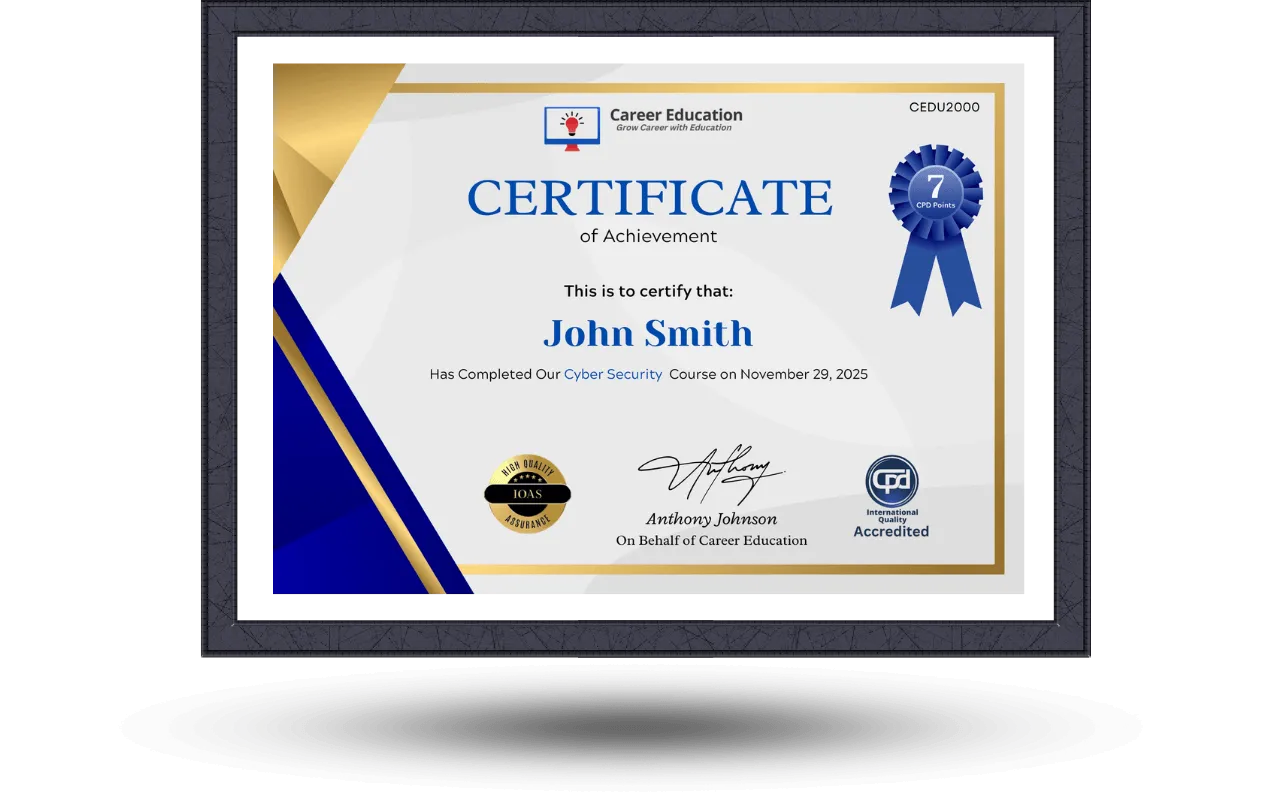
Earn an Accredited Certificate
Upon completion of any course, all students are entitled to a CPD IQ Accredited e-certificate that will be issued by Career Education signifying the completion of your course.
After you complete the course and assignment, you will be eligible to order a free certificate accredited by CPD International Quality by completing the form below.
Hardcopy certificates and transcripts are also available for a small additional fee. More information is disclosed upon course completion.
Similar Courses



Frequently Asked Questions
The lifetime membership includes unlimited access to all courses, resources, and updates for a one-time fee.
You can purchase the membership directly from our website using a secure checkout process.
Yes, selected courses can be downloaded for offline access through our mobile app.
Yes, all future updates and new courses are included at no extra cost.
Yes, we offer a 30-day money-back guarantee if you are not satisfied with the membership.