
94%
OFF
OFF
DSEAR Project Engineering Training
- Lifetime Access
- All Levels
- PDF Certificate
£296
£19
14-Day Money-Back Guarantee
Learn With Confidence








DSEAR Project Engineering Training
In industries where flammable liquids, gases, dusts, and other hazardous substances are present, effective engineering controls are essential for protecting people, equipment, and business operations. DSEAR Project Engineering Training provides practical knowledge of the principles involved in managing dangerous substances and explosive atmospheres throughout engineering and project environments.
Designed for learners who want to understand how hazardous substances can create fire, explosion, and other workplace risks, this course explores DSEAR fundamentals, hazardous substances, risk assessment, engineering controls, equipment and installations, and fire and explosion hazards. By developing knowledge across these areas, learners can build a stronger foundation for recognising hazards and contributing to safer engineering practices.
Why Choose DSEAR Project Engineering Training?
Dangerous substances can present complex risks, particularly in workplaces where engineering systems, production processes, storage facilities, machinery, and installations interact. Understanding these risks is important for anyone involved in engineering projects where hazardous substances may be present.
DSEAR Project Engineering Training focuses on developing practical understanding rather than simply presenting theoretical information. The course helps learners understand how hazards can be identified, assessed, and controlled and how engineering decisions can contribute to safer working environments.
Throughout the training, learners will explore the relationship between hazardous substances, workplace processes, equipment, installations, and potential sources of ignition. This provides a useful foundation for approaching project engineering activities with greater awareness of fire and explosion risks.
Whether you are developing your engineering knowledge, working around hazardous substances, supporting project activities, or seeking professional development in engineering safety, this course can help strengthen your understanding of DSEAR-related principles.
What Is DSEAR?
DSEAR refers to the Dangerous Substances and Explosive Atmospheres Regulations. The regulations are concerned with protecting workers and others from risks associated with dangerous substances and explosive atmospheres in the workplace.
Dangerous substances may include flammable liquids, gases, vapours, combustible dusts, and other materials capable of creating risks to health and safety. When these substances are used, stored, transferred, or processed, appropriate risk management is essential.
Understanding DSEAR is particularly relevant to engineering environments because the design and operation of equipment and installations can influence the likelihood and consequences of hazardous incidents.
This course introduces learners to the core concepts behind DSEAR and helps them understand why systematic hazard identification and risk control are important within engineering projects.
Develop an Understanding of Dangerous Substances
One of the key outcomes of DSEAR Project Engineering Training is a stronger understanding of hazardous substances and dangerous goods.
Different substances can create different hazards depending on their properties, quantities, storage conditions, handling methods, and interaction with other materials. Learners will explore the nature of hazardous substances and consider how their characteristics can contribute to workplace risks.
This knowledge can help learners become more confident when considering questions such as:
-
What makes a substance dangerous?
-
How can hazardous materials create fire or explosion risks?
-
What factors can increase the likelihood of an incident?
-
How should hazardous substances be considered during engineering activities?
-
Why is appropriate storage and handling important?
-
How can engineering controls reduce exposure to hazards?
Building this foundation enables learners to approach hazardous-substance-related projects with greater awareness.
Understand Risk Assessment and Control Measures
Effective risk assessment is central to managing dangerous substances. Simply identifying a hazardous material is not enough; organisations also need to understand the associated risks and determine appropriate control measures.
Within DSEAR Project Engineering Training, learners explore the principles of risk assessment and control measures. This helps develop an understanding of how hazards can be identified, evaluated, and managed systematically.
Learners will consider the importance of assessing factors such as the nature of the substance, the process involved, potential sources of ignition, equipment used, workplace conditions, and the people who may be affected.
The course also explores the role of control measures in reducing risk. Engineering controls can be particularly important because appropriately designed systems can help prevent hazardous conditions from developing or reduce their potential consequences.
By completing this area of the course, learners can develop a more structured approach to thinking about workplace hazards and risk reduction.
Explore Equipment and Installations
Engineering equipment and installations can have a significant role in controlling or creating hazardous situations. The way equipment is selected, installed, operated, and maintained can affect workplace safety.
Module 4 of DSEAR Project Engineering Training focuses on equipment and installations, helping learners understand their importance in environments where dangerous substances or explosive atmospheres may exist.
Learners will develop awareness of how engineering systems need to be considered as part of wider risk management. This can include understanding how equipment interacts with hazardous substances and why appropriate controls are necessary.
The knowledge gained can support better communication between engineering, project, maintenance, and safety teams when hazardous environments are involved.
Understand Fire and Explosion Hazards
Fire and explosion hazards are among the most significant risks associated with certain dangerous substances. Understanding how these hazards can arise is therefore an important component of engineering safety.
The final module of DSEAR Project Engineering Training examines fire and explosion hazards, helping learners recognise the circumstances that can contribute to these events.
Learners will explore the relationship between hazardous substances, ignition sources, and workplace conditions. This knowledge can help them better understand why prevention, control, and appropriate engineering measures are important.
Rather than focusing only on what happens after an incident, the course encourages learners to consider how hazards can be identified and managed before they result in an emergency.
Course Curriculum
Module 1: Introduction to DSEAR
The course begins with an introduction to DSEAR and its relevance to workplace safety and engineering activities. Learners will establish a foundation for understanding dangerous substances and explosive atmospheres and why they require structured risk management.
By completing this module, learners can gain a clearer understanding of the purpose of DSEAR and its importance within relevant working environments.
Module 2: Hazardous Substances and Dangerous Goods
This module examines hazardous substances and dangerous goods, helping learners understand the risks associated with different types of materials.
You will explore why the properties and behaviour of dangerous substances need to be considered when planning engineering work, managing processes, and designing workplace controls.
The module provides the foundation needed to recognise why different substances may require different approaches to risk management.
Module 3: Risk Assessment and Control Measures
Risk assessment is a central element of DSEAR-related safety management. This module explores how hazards can be identified and assessed and how suitable control measures can be considered.
Learners will develop greater awareness of the role of preventive measures and engineering controls in reducing risks associated with dangerous substances and explosive atmospheres.
Module 4: Equipment and Installations
This module focuses on equipment and installations in hazardous environments. Learners will consider how engineering equipment can influence workplace safety and why appropriate selection, installation, and management are important.
The module supports a broader understanding of how engineering decisions can contribute to effective hazard control.
Module 5: Fire and Explosion Hazards
The final module explores fire and explosion hazards associated with dangerous substances and explosive atmospheres.
Learners will develop awareness of the conditions that can contribute to these hazards and the importance of appropriate controls. This helps bring together the knowledge developed throughout the earlier modules.
What Will You Learn?
By completing DSEAR Project Engineering Training, learners can develop knowledge and understanding in several important areas, including:
-
The fundamentals and purpose of DSEAR
-
Dangerous substances and explosive atmospheres
-
Hazardous substances and dangerous goods
-
The importance of systematic risk assessment
-
Risk control principles
-
Engineering control measures
-
Equipment and installations in hazardous environments
-
Fire hazards associated with dangerous substances
-
Explosion hazards and contributing factors
-
The importance of considering safety during engineering projects
The outcome is a stronger foundation for understanding how DSEAR-related hazards can be incorporated into engineering and project safety considerations.
Who Can Benefit from This Course?
DSEAR Project Engineering Training can be useful for learners and professionals who want to improve their understanding of dangerous substances and engineering safety.
It may be particularly relevant to:
-
Project engineers
-
Engineering professionals
-
Maintenance personnel
-
Health and safety professionals
-
Site and operations personnel
-
Project managers
-
Engineering technicians
-
Supervisors and team leaders
-
Individuals working with hazardous substances
-
Professionals involved in industrial projects
-
Learners seeking additional engineering safety knowledge
The course can also benefit individuals who are developing their professional knowledge and want to understand the principles involved in managing DSEAR-related risks.
Improve Your Engineering Safety Knowledge
Modern engineering projects often involve complex equipment, processes, materials, and working environments. Where dangerous substances are involved, safety considerations need to form part of the overall project approach.
By studying DSEAR Project Engineering Training, learners can develop knowledge that supports more informed conversations about hazardous substances, risk assessment, engineering controls, equipment, installations, and fire and explosion hazards.
This can be valuable for professionals who regularly work alongside engineering, operations, maintenance, or health and safety teams. A better understanding of DSEAR principles can help individuals recognise potential hazards and appreciate the importance of appropriate risk management.
Support Safer Project Decisions
Engineering decisions can have long-term consequences for workplace safety. Equipment choices, installation arrangements, process design, maintenance strategies, and control measures can all influence risk.
A strong understanding of DSEAR principles can help learners appreciate why safety needs to be considered throughout the project lifecycle rather than treated as a separate issue.
DSEAR Project Engineering Training provides a structured introduction to these concepts, helping learners develop a more safety-conscious approach to engineering and project environments.
Enhance Your Professional Development
Continuous learning can help professionals remain informed about important workplace safety principles. Adding DSEAR-related knowledge to your professional development can demonstrate an interest in understanding hazardous environments and engineering risk management.
The course provides an opportunity to build knowledge across five interconnected areas, from the fundamentals of DSEAR through to hazardous substances, risk assessment, equipment, installations, and fire and explosion hazards.
For learners looking to broaden their engineering safety knowledge, this structured training can provide a useful foundation for further study and professional development.
Start Your DSEAR Learning Journey
Understanding dangerous substances and explosive atmospheres is an important part of effective safety management in relevant engineering and industrial environments. DSEAR Project Engineering Training brings together essential concepts to help learners understand the hazards involved and the role of risk assessment and engineering controls.
From introducing DSEAR and hazardous substances to exploring risk assessment, equipment, installations, fire, and explosion hazards, the course provides a comprehensive foundation for developing your knowledge.
If you want to strengthen your understanding of DSEAR-related engineering principles and build knowledge that can support safer project practices, DSEAR Project Engineering Training is an excellent opportunity to develop your skills and professional awareness. Enrol today and take the next step towards expanding your engineering safety knowledge.
Course Modules
Course Content
Module 1 Introduction to DSEAR.
-
Lesson 1 Introduction to DSEAR.
Module 2 Hazardous substances and dangerous goods.
Module 3 Risk assessment and control measures.
Module 4 Equipment and installations.
Module 5 Fire and explosion hazards.
What our students say
Excellent
4.9 average
158 Reviews

Earn an Accredited Certificate
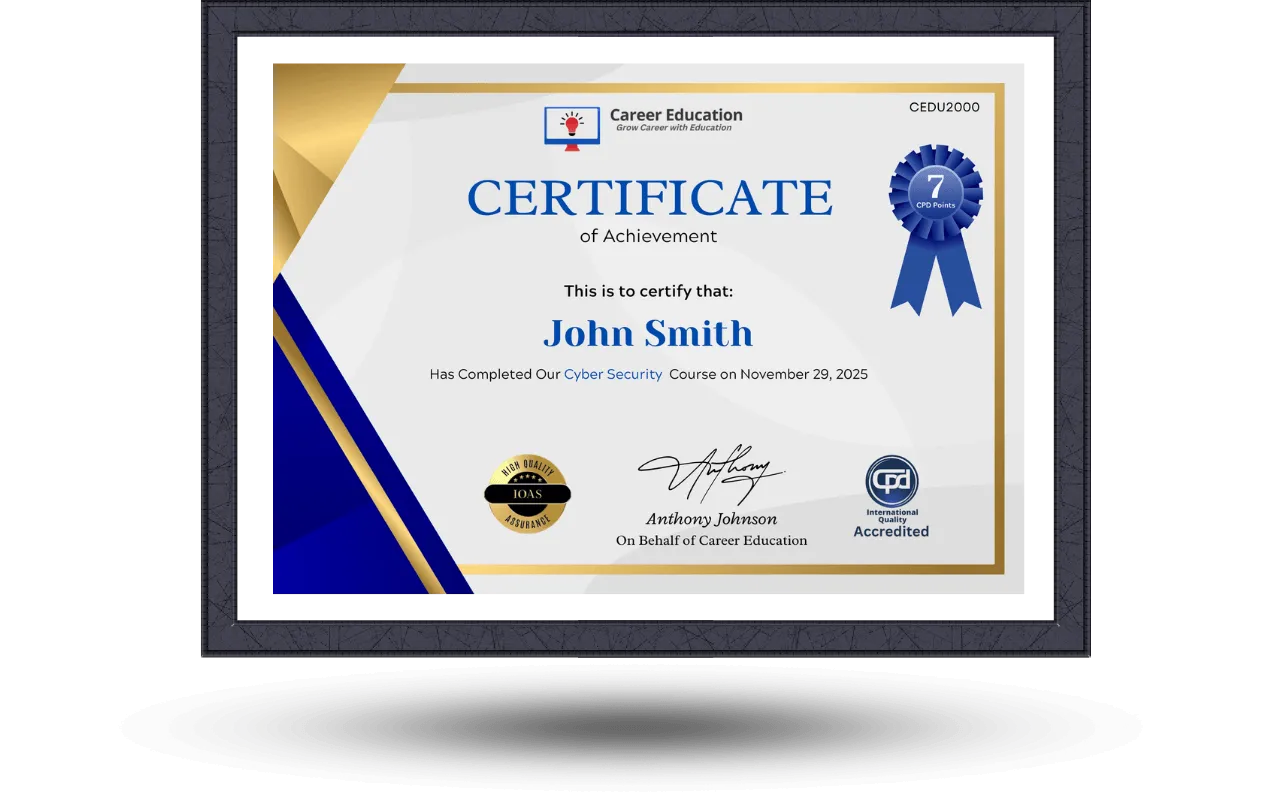
Upon completion of any course, all students are entitled to a CPD IQ Accredited e-certificate that will be issued by Career Education signifying the completion of your course.
After you complete the course and assignment, you will be eligible to order a free certificate accredited by CPD International Quality by completing the form below.
Hardcopy certificates and transcripts are also available for a small additional fee. More information is disclosed upon course completion.
Similar Courses




Frequently Asked Questions
The lifetime membership includes unlimited access to all courses, resources, and updates for a one-time fee.
You can purchase the membership directly from our website using a secure checkout process.
Yes, selected courses can be downloaded for offline access through our mobile app.
Yes, all future updates and new courses are included at no extra cost.
Yes, we offer a 30-day money-back guarantee if you are not satisfied with the membership.