
94%
OFF
OFF
Diary Management Skills and Techniques
- Lifetime Access
- All Levels
- PDF Certificate
£296
£19
14-Day Money-Back Guarantee
Learn With Confidence









Diary Management Skills and Techniques
Effective diary management is about far more than simply adding meetings and appointments to a calendar. In busy professional environments, a well-managed diary helps individuals organise priorities, protect valuable time, coordinate commitments, meet deadlines and ensure that important responsibilities are completed efficiently. Whether you work in administration, management, customer service, healthcare, education, business support or another professional setting, strong diary management skills can make a significant difference to productivity and workplace performance.
The Diary Management Skills and Techniques course is designed to help learners develop practical knowledge and effective techniques for managing diaries, schedules, meetings, appointments and deadlines. It focuses on the skills needed to create organised schedules, manage competing priorities and make better use of available time.
A poorly managed diary can quickly lead to missed appointments, scheduling conflicts, forgotten responsibilities and unnecessary stress. By contrast, an organised diary provides a clear overview of commitments and helps professionals make informed decisions about how their time should be allocated. This course provides learners with the knowledge to build more structured and reliable diary management practices.
What Is Diary Management?
Diary management is the process of organising and maintaining a schedule of appointments, meetings, tasks, deadlines and other commitments. It may involve managing your own diary or coordinating the schedules of colleagues, managers, executives, clients or other stakeholders.
Effective diary management requires more than recording events. It involves understanding priorities, checking availability, allowing appropriate preparation and travel time, managing changes and ensuring that important deadlines are visible and achievable.
Professionals responsible for diary management often need to balance multiple demands at the same time. They may need to arrange meetings, reschedule appointments, protect time for important tasks and respond quickly when priorities change.
The Diary Management Skills and Techniques course explores these responsibilities and provides learners with a structured understanding of effective diary management.
Why Are Diary Management Skills Important?
Time is one of the most valuable resources in any organisation. When schedules are poorly organised, valuable time can be lost through unnecessary meetings, avoidable interruptions, double-bookings and inefficient planning.
Strong diary management skills can help professionals:
-
Organise appointments and commitments more effectively
-
Prioritise important activities
-
Reduce scheduling conflicts
-
Keep track of deadlines
-
Coordinate meetings efficiently
-
Allocate sufficient preparation time
-
Respond effectively to schedule changes
-
Improve communication with colleagues and stakeholders
-
Maintain a clearer overview of responsibilities
-
Support better workplace productivity
These skills are particularly useful for administrative professionals, personal assistants, executive assistants, office managers, team leaders, managers and anyone who regularly coordinates schedules.
What Will You Learn From This Course?
The Diary Management Skills and Techniques course has been structured around five practical modules. Each module focuses on an important area of diary management, helping learners progressively develop their knowledge and confidence.
Module 1: Introduction to Diary Management
The course begins with an introduction to the principles of diary management. Learners will explore the purpose of diary management and understand why effective scheduling is important in professional environments.
You will develop an understanding of the responsibilities associated with maintaining an effective diary and learn how organised scheduling can support productivity and professional communication.
This module establishes the foundation for the rest of the course by helping learners recognise the role that effective diary management plays in coordinating daily activities.
By completing this module, you can develop a clearer understanding of:
-
The purpose of diary management
-
The importance of maintaining an organised schedule
-
Common diary management responsibilities
-
The relationship between diary management and productivity
-
The challenges associated with managing busy schedules
Module 2: Planning and Scheduling
Effective diary management starts with effective planning. This module explores how to plan activities and organise schedules in a logical and practical way.
Learners will examine how appointments, meetings, tasks and other commitments can be scheduled while considering priorities and available time. Good planning helps prevent unrealistic schedules and provides greater visibility over upcoming responsibilities.
You will learn how to approach scheduling with greater structure and identify where time needs to be allocated for important activities.
The skills developed in this module can help you:
-
Plan schedules more systematically
-
Organise appointments effectively
-
Consider priorities when scheduling activities
-
Make better use of available time
-
Identify potential scheduling conflicts
-
Create more realistic and manageable diaries
Effective planning can also make it easier to respond when circumstances change. Rather than treating a diary as a fixed list of appointments, learners can develop a more flexible approach to managing changing priorities.
Module 3: Efficient Diary Management Techniques
Managing a busy diary requires practical techniques that help maintain organisation and efficiency. This module focuses on approaches that can be used to manage multiple commitments more effectively.
Learners will explore techniques for keeping diary information accurate, identifying important activities and reducing avoidable scheduling problems.
Efficient diary management involves paying attention to detail while also maintaining an overview of the wider schedule. Small errors can have significant consequences when several meetings, appointments and deadlines are involved.
By developing efficient techniques, you can work towards:
-
Maintaining accurate diary information
-
Managing multiple commitments
-
Identifying important activities
-
Reducing unnecessary scheduling problems
-
Improving day-to-day organisation
-
Handling changes to schedules more effectively
These techniques can be particularly valuable in fast-paced workplaces where priorities may change regularly.
Module 4: Managing Meetings and Appointments
Meetings and appointments are central components of many professional diaries. However, organising them effectively requires careful coordination.
This module focuses on managing meetings and appointments in a structured way. Learners will consider the practical requirements involved in scheduling meetings and ensuring that commitments are properly coordinated.
Effective meeting management can involve checking availability, allowing sufficient time, considering preparation requirements and making sure that appointments do not create unnecessary conflicts.
Through this module, learners can develop skills to:
-
Organise meetings and appointments more effectively
-
Coordinate schedules
-
Reduce the likelihood of double-booking
-
Allow appropriate time for meetings
-
Consider preparation and follow-up requirements
-
Manage changes to appointments
-
Maintain clearer communication around scheduled activities
These skills can help professionals contribute to smoother workplace coordination and more productive use of time.
Module 5: Managing Deadlines
Deadlines are an important part of professional diary management. Missing a deadline can affect projects, colleagues, customers and wider business operations.
This module focuses on the importance of identifying, recording and managing deadlines effectively. Learners will explore how deadlines can be incorporated into diary planning so that important tasks remain visible and receive appropriate attention.
Good deadline management involves more than simply recording a final date. It requires awareness of the work that needs to be completed beforehand and the time required to achieve the expected outcome.
After completing this module, you can improve your ability to:
-
Track important deadlines
-
Prioritise time-sensitive activities
-
Organise tasks around key dates
-
Reduce the risk of overlooked deadlines
-
Plan ahead for important responsibilities
-
Maintain better visibility of upcoming commitments
Develop Practical Workplace Skills
The Diary Management Skills and Techniques course is outcome-focused, making it suitable for learners who want to develop practical organisational abilities that can be applied in professional environments.
Rather than focusing only on theoretical concepts, the course covers key areas involved in managing schedules, meetings, appointments and deadlines. This makes the knowledge relevant to a wide range of workplace situations.
Effective diary management can support professionals who need to coordinate their own responsibilities as well as those who manage schedules on behalf of others.
Improve Your Organisation and Time Management
One of the major benefits of effective diary management is improved organisation. When commitments and priorities are clearly structured, it becomes easier to understand what needs attention and when.
A well-managed diary can provide a useful overview of daily, weekly and upcoming responsibilities. This can help learners approach their workload with greater clarity and reduce the likelihood of overlooking important commitments.
The course can therefore support the development of broader workplace skills such as organisation, planning, prioritisation, attention to detail and time management.
Who Can Benefit From This Course?
The Diary Management Skills and Techniques course can be valuable for a wide range of learners, including:
-
Administrative professionals
-
Personal assistants
-
Executive assistants
-
Office administrators
-
Office managers
-
Team leaders
-
Managers
-
Business support professionals
-
Reception and front-office staff
-
Professionals responsible for scheduling
-
Individuals looking to strengthen their organisational skills
-
Learners preparing for administration or business support roles
It can also be useful for anyone who wants to become more confident in managing busy schedules and professional commitments.
Build Confidence in Managing Busy Schedules
Busy schedules can become difficult to manage when there are multiple meetings, appointments, tasks and deadlines competing for attention. Developing a structured approach can make these responsibilities easier to organise.
The Diary Management Skills and Techniques course helps learners understand how different elements of scheduling work together. From planning and scheduling through to meeting management and deadline tracking, each module contributes to a broader understanding of effective diary management.
By developing these skills, learners can become better prepared to handle the organisational demands of modern workplaces.
Support Better Workplace Productivity
Good diary management can contribute to more productive working practices. When schedules are organised effectively, professionals can spend less time dealing with avoidable scheduling issues and more time focusing on important responsibilities.
Effective scheduling can also support better coordination between individuals and teams. Meetings can be arranged more efficiently, deadlines can remain visible and important activities can receive appropriate attention.
These benefits make diary management an important skill for professionals who want to contribute to an organised and efficient working environment.
Course Outcomes
By completing the Diary Management Skills and Techniques course, learners can develop the ability to:
-
Understand the fundamentals of diary management
-
Plan and organise schedules effectively
-
Apply efficient diary management techniques
-
Manage meetings and appointments systematically
-
Coordinate competing commitments
-
Identify and track important deadlines
-
Improve workplace organisation
-
Support better time management
-
Reduce avoidable scheduling conflicts
-
Approach diary management with greater confidence
These outcomes can provide a useful foundation for anyone who regularly manages appointments, schedules and professional commitments.
Take the Next Step With Diary Management Skills and Techniques
Effective diary management is a valuable professional skill that can support organisation, productivity and reliable workplace coordination. Whether you are responsible for your own schedule or manage appointments and commitments for others, having a structured approach can make everyday responsibilities easier to handle.
The Diary Management Skills and Techniques course provides a focused learning experience covering introduction to diary management, planning and scheduling, efficient management techniques, meetings and appointments, and deadline management.
If you want to strengthen your organisational abilities and develop practical knowledge for managing busy professional schedules, this course can help you build the skills needed to work more systematically and confidently.
Enrol in the Diary Management Skills and Techniques course today and take a practical step towards becoming more organised, efficient and confident in managing professional schedules, meetings, appointments and deadlines.
Course Modules
Course Content
Module 1_ Introduction to Diary Management.
-
Lesson 1_ Introduction to Diary Management.
Module 2_ Planning and Scheduling.
Module 3_ Efficient Diary Management Techniques.
Module 4_ Managing Meetings and Appointments.
Module 5_ Managing Deadlines.
What our students say
Excellent
4.9 average
158 Reviews

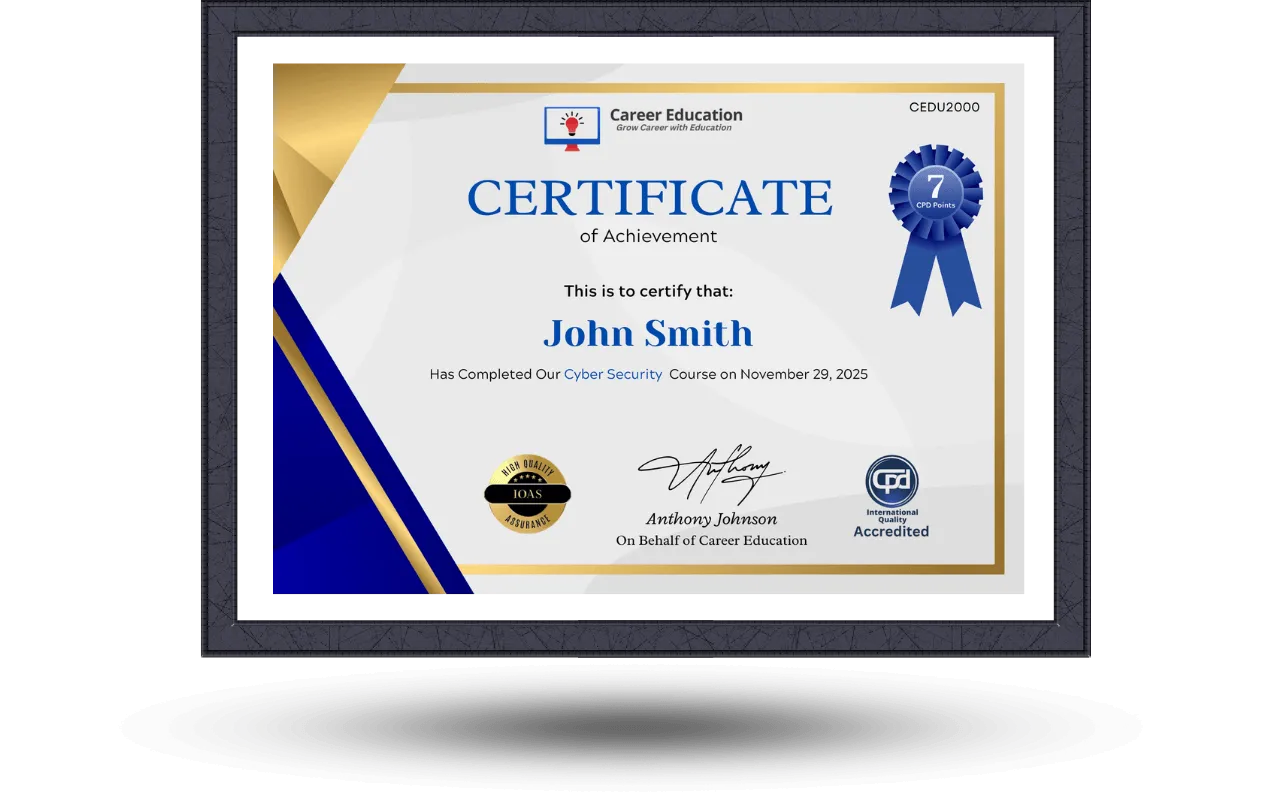
Earn an Accredited Certificate
Upon completion of any course, all students are entitled to a CPD IQ Accredited e-certificate that will be issued by Career Education signifying the completion of your course.
After you complete the course and assignment, you will be eligible to order a free certificate accredited by CPD International Quality by completing the form below.
Hardcopy certificates and transcripts are also available for a small additional fee. More information is disclosed upon course completion.
Similar Courses




Frequently Asked Questions
The lifetime membership includes unlimited access to all courses, resources, and updates for a one-time fee.
You can purchase the membership directly from our website using a secure checkout process.
Yes, selected courses can be downloaded for offline access through our mobile app.
Yes, all future updates and new courses are included at no extra cost.
Yes, we offer a 30-day money-back guarantee if you are not satisfied with the membership.