
94%
OFF
OFF
Developing Emotional Resilience
- Lifetime Access
- All Levels
- PDF Certificate
£296
£19
14-Day Money-Back Guarantee
Learn With Confidence









Developing Emotional Resilience
Life can bring unexpected challenges, difficult emotions, stressful situations, and moments when things do not go according to plan. While challenges are an unavoidable part of life, the way we understand and respond to them can make a meaningful difference. Developing Emotional Resilience is designed to help learners build a stronger understanding of their emotions, develop healthier responses to difficult thoughts and situations, and become better equipped to navigate everyday challenges.
Emotional resilience is not about ignoring difficult feelings or pretending that everything is fine. Instead, it involves recognising emotions, understanding personal reactions, managing unhelpful thought patterns, maintaining supportive relationships, and approaching problems with greater clarity. These abilities can support personal development, communication, decision-making, and wellbeing across many areas of life.
This course provides a structured introduction to the key principles and practical skills associated with emotional resilience. Through six focused modules, learners will explore self-awareness, emotional awareness, negative thoughts, resilient relationships, and problem-solving. By completing Developing Emotional Resilience, learners can gain practical knowledge that may help them respond to challenges more thoughtfully and constructively.
What Is Emotional Resilience?
Emotional resilience refers to the ability to adapt to challenging experiences while maintaining emotional awareness and developing constructive ways of responding. It does not mean being unaffected by setbacks. Everyone experiences disappointment, frustration, uncertainty, stress, and other difficult emotions.
The goal is to develop the skills needed to recognise these experiences and respond appropriately.
Developing Emotional Resilience introduces learners to the foundations of this process. You will explore how self-awareness and emotional awareness can influence your reactions and learn why the ability to manage negative thoughts can be valuable when dealing with challenging situations.
The course also considers the role of relationships and problem-solving. Supportive relationships can provide encouragement and perspective, while effective problem-solving can help you approach difficulties in a more organised and constructive way.
What Will You Learn?
By enrolling in Developing Emotional Resilience, you will explore a range of concepts and skills that can contribute to stronger emotional awareness and more constructive responses to everyday challenges.
You will learn how to:
-
Understand the foundations of emotional resilience
-
Develop greater self-awareness
-
Recognise and understand different emotional responses
-
Identify unhelpful or negative thought patterns
-
Explore constructive ways of managing difficult thoughts
-
Understand the importance of resilient relationships
-
Develop stronger approaches to problem-solving
-
Reflect on personal reactions to challenging situations
-
Build practical emotional resilience skills for everyday life
-
Approach challenges with greater awareness and perspective
Module 1: Introduction to Emotional Resilience
The course begins with an introduction to emotional resilience and why it matters. This module establishes the foundation for understanding how people respond to challenges and why emotional resilience can be developed over time.
You will explore the meaning of emotional resilience and consider the different factors that can influence how people respond to difficult experiences. Rather than viewing resilience as a fixed personal quality, the course introduces it as an area where awareness and skills can be developed.
This module helps learners establish a strong foundation before moving into more specific aspects of emotional resilience.
By completing this module, you can:
-
Understand the basic concept of emotional resilience
-
Recognise why resilience is relevant to everyday challenges
-
Explore factors that can influence emotional responses
-
Establish a foundation for further learning
Module 2: Developing Self-Awareness
Self-awareness plays an important role in emotional development. Understanding your own reactions, behaviours, thoughts, and patterns can make it easier to recognise what may be influencing your responses to different situations.
In this module, you will explore the importance of developing self-awareness and consider how greater personal insight can support emotional resilience.
You will learn to pay closer attention to your responses and identify patterns that may otherwise go unnoticed. This awareness can help create opportunities to consider different ways of approaching challenging situations.
By completing this module, you can:
-
Understand the value of self-awareness
-
Explore your responses to different situations
-
Recognise personal thought and behaviour patterns
-
Develop greater insight into emotional reactions
-
Use self-awareness as a foundation for personal development
Module 3: Building Emotional Awareness
Emotional awareness involves recognising and understanding emotions rather than automatically reacting to them. Developing this skill can help learners become more conscious of how emotions influence thoughts, behaviours, communication, and decision-making.
This module focuses on building a stronger understanding of emotional experiences. You will explore why identifying emotions can be useful and how emotional awareness can contribute to more considered responses.
The objective is not to eliminate difficult emotions. Instead, learners will develop a better understanding of their emotional experiences and explore how awareness can support constructive responses.
By completing this module, you can:
-
Develop greater awareness of emotions
-
Recognise how emotions can influence behaviour
-
Improve your understanding of emotional responses
-
Explore the relationship between emotions, thoughts, and actions
-
Build a stronger foundation for emotional regulation and resilience
Module 4: Managing Negative Thoughts
Thought patterns can influence how people interpret and respond to challenging situations. When unhelpful thoughts become dominant, they may make problems appear more overwhelming or difficult to manage.
Developing Emotional Resilience explores the importance of recognising negative or unhelpful thinking patterns. In this module, you will consider how thoughts can affect emotional responses and explore constructive approaches to managing them.
Learning to recognise unhelpful thinking can provide an opportunity to pause, reflect, and consider alternative perspectives. This can be particularly valuable when dealing with uncertainty, setbacks, disagreements, or everyday frustrations.
By completing this module, you can:
-
Recognise common patterns of unhelpful thinking
-
Understand how thoughts can influence emotions
-
Develop greater awareness of negative thought patterns
-
Explore constructive ways to respond to difficult thoughts
-
Approach challenging situations with greater perspective
Module 5: Cultivating Resilient Relationships
Relationships can have an important influence on emotional wellbeing and resilience. Positive connections can provide encouragement, communication, understanding, and different perspectives during challenging circumstances.
This module explores the role of relationships in developing emotional resilience. You will consider how healthy communication, mutual understanding, and supportive connections can contribute to resilience.
The module also encourages learners to think about how they interact with others during difficult situations. Developing resilient relationships can involve listening, communicating clearly, recognising boundaries, and responding thoughtfully.
By completing this module, you can:
-
Understand the connection between relationships and resilience
-
Recognise the value of supportive relationships
-
Explore constructive communication approaches
-
Develop awareness of how emotional responses can affect relationships
-
Consider ways to contribute to healthier interpersonal connections
Module 6: Enhancing Problem-Solving Skills
Challenges often require more than emotional awareness. They may also require the ability to identify problems, consider options, evaluate possible solutions, and take appropriate action.
The final module focuses on enhancing problem-solving skills. You will explore how a structured approach to problems can complement emotional resilience and help you respond more effectively to challenging situations.
Instead of becoming overwhelmed by a problem as a whole, developing problem-solving skills can help you break challenges into manageable elements and consider practical responses.
By completing this module, you can:
-
Understand the importance of effective problem-solving
-
Approach challenges in a more structured way
-
Explore possible solutions and outcomes
-
Develop greater confidence when considering difficult situations
-
Combine emotional awareness with practical problem-solving
Practical Outcomes of Developing Emotional Resilience
One of the key benefits of Developing Emotional Resilience is the opportunity to turn theoretical knowledge into practical personal skills.
After completing the course, learners can have a clearer understanding of their emotional responses and the factors that may influence them. They can also develop greater awareness of negative thought patterns and explore ways to approach difficult situations more constructively.
The knowledge gained may support learners in areas such as:
Greater Self-Understanding
Self-awareness can provide a stronger foundation for personal growth. By understanding your thoughts, emotions, and reactions, you can become more aware of patterns that influence your everyday experiences.
More Constructive Responses
Emotional resilience can help learners move away from automatic reactions and toward more thoughtful responses. Recognising emotions and thoughts can create space for reflection before deciding how to respond.
Improved Problem-Solving
Challenges can feel more manageable when approached systematically. Developing problem-solving skills can help learners consider situations from different perspectives and explore practical options.
Stronger Relationships
Understanding emotions and communication can contribute to healthier interactions. Learners can use their knowledge to become more aware of how they respond to others and how communication can influence relationships.
Personal Development
The skills explored throughout the course can support continued self-development. Emotional resilience is not a one-time achievement; it can be strengthened through ongoing awareness, reflection, and practice.
Who Can Benefit From This Course?
Developing Emotional Resilience is suitable for anyone who wants to develop a better understanding of emotional resilience and related personal skills.
It may be particularly useful for:
-
Individuals interested in personal development
-
Learners seeking to improve emotional awareness
-
People who want to understand their responses to challenges
-
Individuals interested in improving their problem-solving skills
-
Those who want to develop greater self-awareness
-
Learners interested in strengthening interpersonal skills
-
Anyone looking for structured learning around emotional resilience
No matter your starting point, the course provides a structured way to explore the core concepts behind emotional resilience.
Why Choose Developing Emotional Resilience?
Modern life can involve changing expectations, difficult decisions, interpersonal challenges, and unexpected situations. Developing the ability to understand your reactions and respond constructively can be a valuable part of personal development.
Developing Emotional Resilience brings together six interconnected areas of learning. Rather than focusing on one aspect of resilience, the course explores the relationship between self-awareness, emotional awareness, thought patterns, relationships, and problem-solving.
This holistic approach gives learners the opportunity to build knowledge across several important areas.
The course is also structured progressively. It begins with the foundations of emotional resilience, moves into self-awareness and emotional awareness, then explores negative thoughts, relationships, and finally problem-solving. This allows learners to build their understanding step by step.
Build Skills for Facing Everyday Challenges
Emotional resilience does not require having all the answers or never experiencing difficult emotions. It is about developing awareness and learning constructive ways to respond when challenges arise.
Through Developing Emotional Resilience, you can explore practical concepts that may help you better understand yourself, recognise emotional responses, manage unhelpful thinking patterns, build resilient relationships, and approach problems more effectively.
Whether your goal is personal development, improved communication, greater self-awareness, or simply a deeper understanding of emotional resilience, this course provides a valuable learning opportunity.
Start Developing Emotional Resilience Today
Developing resilience is an ongoing process. Every challenge can provide an opportunity to reflect, learn, and develop new skills. By building self-awareness, emotional awareness, constructive thinking habits, relationship skills, and problem-solving abilities, you can create a stronger foundation for navigating everyday challenges.
Developing Emotional Resilience gives you a structured pathway to explore these essential areas and develop practical knowledge that can support continued personal growth.
Enrol today and begin building a deeper understanding of emotional resilience, self-awareness, emotional awareness, resilient relationships, and effective problem-solving.
Course Modules
Course Content
Module 1_ Introduction to Emotional Resilience
-
Lesson 1_ Introduction to Emotional Resilience
Module 2_ Developing Self-Awareness
Module 3_ Building Emotional Awareness
Module 4_ Managing Negative Thoughts
Module 5_ Cultivating Resilient Relationships
Module 6_ Enhancing Problem-Solving Skills
What our students say
Excellent
4.9 average
158 Reviews

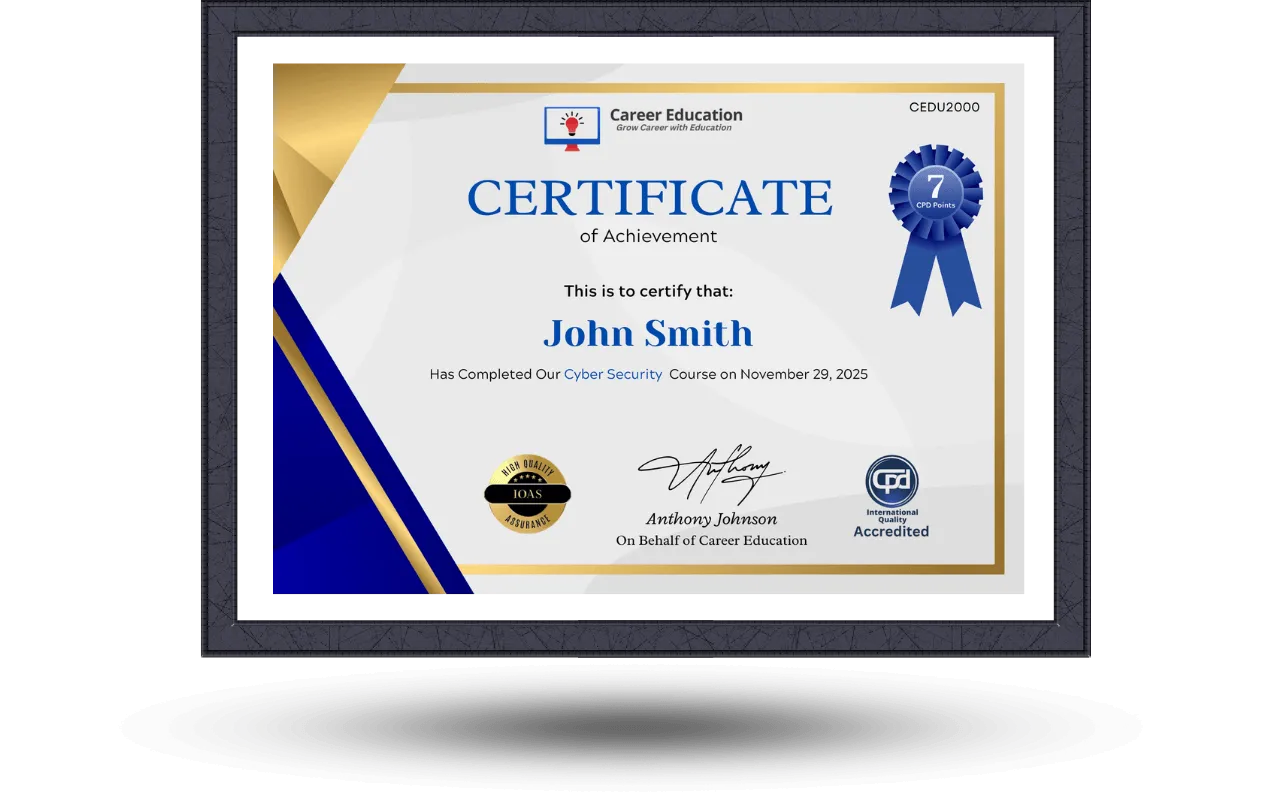
Earn an Accredited Certificate
Upon completion of any course, all students are entitled to a CPD IQ Accredited e-certificate that will be issued by Career Education signifying the completion of your course.
After you complete the course and assignment, you will be eligible to order a free certificate accredited by CPD International Quality by completing the form below.
Hardcopy certificates and transcripts are also available for a small additional fee. More information is disclosed upon course completion.
Similar Courses


Frequently Asked Questions
The lifetime membership includes unlimited access to all courses, resources, and updates for a one-time fee.
You can purchase the membership directly from our website using a secure checkout process.
Yes, selected courses can be downloaded for offline access through our mobile app.
Yes, all future updates and new courses are included at no extra cost.
Yes, we offer a 30-day money-back guarantee if you are not satisfied with the membership.