OFF
Dementia Care and Support Strategies Training
- Lifetime Access
- All Levels
- PDF Certificate
Learn With Confidence








Overview
Dementia Care and Support Strategies Training
Overview
Dementia is a complex condition that affects millions of individuals and their families worldwide, creating a growing need for skilled and compassionate care professionals. The Dementia Care and Support Strategies Training course is designed to help learners develop the knowledge, practical skills, and confidence required to provide effective support for people living with dementia. This comprehensive training focuses on understanding dementia, improving communication, managing daily care needs, supporting emotional wellbeing, and creating positive experiences for individuals affected by cognitive decline.
Through the Dementia Care and Support Strategies Training, learners will gain valuable insights into the challenges faced by people with dementia and explore person-centred approaches that promote dignity, independence, and quality of life. Whether you are working in health and social care, supporting a family member, or looking to expand your professional knowledge, this course provides essential guidance for delivering respectful and effective dementia care.
Dementia care requires more than medical knowledge. It involves empathy, patience, understanding, and the ability to adapt support strategies according to individual needs. This course equips learners with practical approaches that can be applied in care environments, community settings, and everyday interactions.
Course Description
The Dementia Care and Support Strategies Training provides a detailed understanding of dementia and the methods used to support individuals throughout different stages of the condition. Learners will explore the causes and symptoms of dementia, medical approaches to management, communication techniques, daily living support, cognitive activities, and emotional care strategies.
This course helps learners understand that every person experiencing dementia has unique needs, preferences, memories, and abilities. By adopting person-centred care principles, learners will be able to provide support that respects personal identity and encourages meaningful engagement.
The Dementia Care and Support Strategies Training focuses on practical outcomes, helping learners develop the ability to:
-
Understand different types of dementia and their impact on individuals.
-
Recognise common symptoms and changes associated with dementia.
-
Support individuals through effective care planning and daily assistance.
-
Communicate clearly and compassionately with people experiencing dementia.
-
Encourage independence while providing appropriate support.
-
Apply cognitive stimulation techniques to promote engagement.
-
Provide emotional and psychological support for individuals and families.
-
Create safer and more supportive care environments.
By completing this training, learners will develop a stronger understanding of dementia care practices and gain confidence in supporting individuals with compassion and professionalism.
Course Curriculum
Module 1: Introduction to Dementia
The first module introduces learners to the fundamentals of dementia and builds a strong foundation for understanding the condition. Learners will explore what dementia is, how it affects the brain, and how it influences memory, thinking, behaviour, and daily functioning.
This module covers different types of dementia, including Alzheimer’s disease, vascular dementia, Lewy body dementia, and frontotemporal dementia. Learners will understand the differences between these conditions and how symptoms may vary from person to person.
Key learning outcomes include:
-
Understanding the definition and characteristics of dementia.
-
Identifying common causes and risk factors.
-
Recognising early signs and symptoms.
-
Understanding the progression of dementia.
-
Exploring the impact of dementia on individuals, families, and communities.
Through this module, learners will develop awareness of the challenges faced by people living with dementia and understand the importance of providing respectful, person-centred care.
Module 2: Medical Management of Dementia
Effective dementia support requires an understanding of medical management approaches and available treatments. This module explores how healthcare professionals assess, diagnose, and manage dementia conditions.
Learners will examine the role of medication, healthcare teams, and ongoing monitoring in dementia care. The module also highlights the importance of supporting individuals with their treatment plans while recognising changes that may require professional attention.
Topics covered include:
-
Dementia assessment and diagnosis processes.
-
Medical approaches to managing dementia symptoms.
-
Understanding dementia-related medications.
-
Managing behavioural and psychological symptoms.
-
The role of healthcare professionals in dementia support.
By completing this module, learners will gain a better understanding of how medical care contributes to improving comfort, safety, and wellbeing for individuals with dementia.
Module 3: Communication Strategies
Communication can become challenging for individuals living with dementia, but effective approaches can help maintain connection, trust, and understanding. This module focuses on developing communication techniques that support positive interactions.
Learners will explore how dementia may affect language, memory, and the ability to express needs. They will learn strategies for communicating with patience, respect, and empathy.
This module includes:
-
Understanding communication difficulties caused by dementia.
-
Using clear and supportive communication techniques.
-
Improving verbal and non-verbal communication.
-
Responding to confusion, frustration, and distress.
-
Building trust through compassionate interactions.
The skills gained from this module enable learners to create stronger relationships with individuals living with dementia and provide care that promotes emotional security.
Module 4: Daily Care and Living
Supporting daily activities is a key part of dementia care. This module explores practical strategies for assisting individuals with everyday tasks while encouraging independence and maintaining dignity.
Learners will understand how dementia can affect personal care, mobility, nutrition, hygiene, and household activities. The module focuses on creating supportive routines that help individuals feel comfortable and confident.
Learners will explore:
-
Supporting personal hygiene and self-care.
-
Encouraging independence in daily activities.
-
Creating safe living environments.
-
Supporting nutrition and healthy routines.
-
Managing challenges during everyday care tasks.
The goal of this module is to help learners provide meaningful support while respecting individual preferences, abilities, and choices.
Module 5: Cognitive Stimulation and Activities
Engagement and meaningful activities can play an important role in supporting individuals with dementia. This module introduces cognitive stimulation approaches designed to encourage mental activity, social interaction, and emotional connection.
Learners will discover how activities can be adapted based on a person’s abilities, interests, and stage of dementia. The module highlights the importance of creating enjoyable experiences that promote confidence and participation.
Key topics include:
-
Understanding the benefits of cognitive stimulation.
-
Planning meaningful activities.
-
Supporting memory and cognitive abilities.
-
Encouraging creativity and social engagement.
-
Adapting activities for different dementia stages.
By applying these strategies, learners can help individuals maintain a sense of purpose and improve their overall quality of life.
Module 6: Emotional and Psychological Support
Living with dementia can involve emotional challenges, including anxiety, confusion, frustration, and changes in mood. This module focuses on providing emotional and psychological support that promotes comfort, confidence, and wellbeing.
Learners will explore approaches for understanding emotional needs and responding effectively to behavioural changes. The module emphasises empathy, reassurance, and creating environments where individuals feel valued and respected.
This module covers:
-
Understanding emotional experiences in dementia.
-
Supporting mental and emotional wellbeing.
-
Responding to distress and behavioural changes.
-
Providing reassurance and comfort.
-
Supporting families and caregivers.
Through this module, learners will develop the skills needed to provide holistic dementia support that considers both physical and emotional needs.
Who Is This Course For?
The Dementia Care and Support Strategies Training is suitable for anyone who wants to improve their understanding of dementia care and develop practical support skills.
This course is ideal for:
-
Care workers and healthcare professionals.
-
Support workers and community care staff.
-
Family members caring for loved ones with dementia.
-
Volunteers working with older adults.
-
Individuals interested in entering the health and social care sector.
-
Professionals seeking to enhance their dementia awareness.
No previous dementia care experience is required. The course is designed for beginners as well as experienced professionals who want to strengthen their knowledge and improve their approach to dementia support.
Requirements
There are no specific entry requirements for the Dementia Care and Support Strategies Training. Learners only need an interest in dementia care and a willingness to develop their understanding of supporting individuals with cognitive conditions.
A compassionate attitude, patience, and commitment to person-centred care are valuable qualities for anyone completing this course.
The training can be studied online, allowing learners to develop essential dementia care skills at their own pace and convenience.
Career Path
Completing the Dementia Care and Support Strategies Training can support learners who want to develop careers in health and social care. Dementia knowledge is increasingly valuable across many care roles as demand grows for professionals who can provide specialised support.
After completing this course, learners may enhance opportunities in areas such as:
-
Dementia care support work.
-
Residential and nursing care environments.
-
Community support services.
-
Healthcare assistance roles.
-
Elderly care services.
-
Family and caregiver support.
The knowledge gained from this training can also help existing professionals improve their confidence, communication skills, and ability to deliver high-quality care.
The Dementia Care and Support Strategies Training provides a valuable foundation for anyone committed to making a positive difference in the lives of individuals affected by dementia. By understanding the condition, applying effective support strategies, and focusing on compassionate care, learners can contribute to creating safer, more respectful, and more supportive environments for people living with dementia.
Course Modules
Course Content
Module 1_ Introduction to Dementia
-
Lesson 1_ Introduction to Dementia
Module 2_ Medical Management of Dementia
Module 3_ Communication Strategies
Module 4_ Daily Care and Living
Module 5_ Cognitive Stimulation and Activities
Module 6_ Emotional and Psychological Support
What our students say

Earn an Accredited Certificate
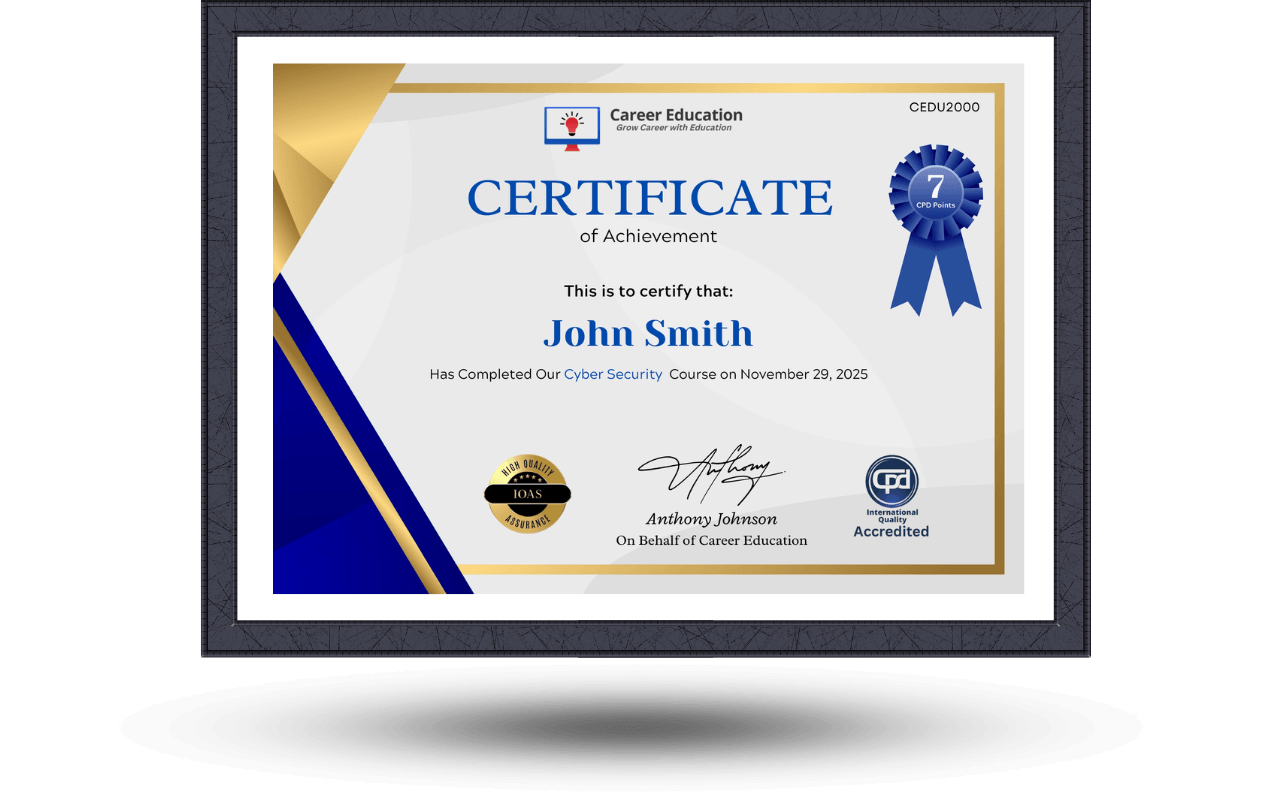
Upon completion of the course, an e-certificate will be downloadable from Khan Education signifying the completion of your course. But, the course is CPD Accredited and after you complete the assignment, you will be eligible to order a certificate accredited by CPD International Quality for £5.99 only. If you want a hardcopy certificate accredited by CPD IQ, you can get it for only £15.99.
Get your CertificateSimilar Courses