
OFF
Crystalline Silica for General Industry Employees
- Lifetime Access
- All Levels
- PDF Certificate
Learn With Confidence









Overview
Crystalline Silica Safety for General Industry Employers
Protecting workers from occupational hazards is a fundamental responsibility for every employer, and exposure to respirable crystalline silica is one of the workplace risks that requires informed, proactive management. Crystalline Silica Safety for General Industry Employers is designed to help employers, managers, supervisors, safety professionals, and other responsible personnel develop a stronger understanding of silica hazards and the measures used to reduce workplace exposure.
Crystalline silica is a naturally occurring mineral found in materials such as stone, concrete, brick, mortar, and other industrial materials. Certain work activities can release very small airborne particles that may be inhaled. Because these particles can be difficult to see, effective silica safety depends on appropriate hazard identification, exposure assessment, control measures, employee training, and ongoing health protection.
This Crystalline Silica Safety for General Industry Employers course takes an outcome-focused approach to workplace safety. Rather than simply introducing terminology, it explores practical areas employers need to understand when developing and maintaining effective silica exposure prevention practices. Learners will build knowledge that can support safer work environments, more informed decision-making, and stronger workplace safety procedures.
Why Crystalline Silica Safety Matters
Silica exposure can become a significant occupational health concern when workers perform tasks that generate respirable crystalline silica dust. Activities involving cutting, grinding, drilling, crushing, or processing silica-containing materials may create airborne particles.
The challenge for employers is not only recognizing that silica exists in a workplace. Effective prevention requires understanding where exposure may occur, assessing the level of risk, selecting suitable controls, communicating hazards clearly, and ensuring workers understand safe work practices.
A well-informed employer can take a proactive approach instead of waiting for an incident or health concern to highlight weaknesses in existing procedures. By completing Crystalline Silica Safety for General Industry Employers, learners can develop a structured understanding of the key elements involved in silica hazard management.
What You Will Learn from This Course
This course covers the complete progression from understanding crystalline silica to implementing workplace protection strategies. Each module contributes to a broader understanding of how employers can identify and manage silica-related risks.
Module 1: Introduction to Crystalline Silica
The course begins with the fundamentals of crystalline silica. Learners will explore what crystalline silica is, where it can be found, and how workplace activities may create exposure risks.
Understanding the nature of the hazard provides the foundation for effective prevention. You will become more familiar with silica-containing materials and the types of workplace processes that may generate respirable particles.
By completing this module, learners can:
Understand the basic characteristics of crystalline silica.
Recognise common workplace sources of silica.
Identify activities that may generate silica-containing dust.
Develop a stronger foundation for workplace silica hazard awareness.
Understand why proactive exposure prevention is important.
Module 2: Health Effects of Crystalline Silica Exposure
Understanding the potential health consequences of exposure is essential when establishing effective workplace safety priorities. This module examines the health effects associated with occupational exposure to respirable crystalline silica.
Learners will gain an informed perspective on why controlling exposure is important and why employers should take workplace air quality and employee protection seriously.
The module helps learners:
Understand the potential health effects associated with silica exposure.
Recognise why repeated or prolonged occupational exposure can be concerning.
Appreciate the importance of exposure prevention.
Connect workplace hazards with appropriate protective measures.
Support more informed health and safety discussions within their organisation.
This knowledge can also help safety personnel communicate the importance of silica controls more effectively to workers and management.
Module 3: Exposure Assessment and Monitoring
You cannot effectively manage a workplace hazard without understanding where and how exposure may occur. Exposure Assessment and Monitoring introduces learners to the importance of evaluating workplace silica exposure.
This module explores the principles behind identifying potentially exposed employees, assessing workplace conditions, and using monitoring approaches to understand exposure levels.
Learners will develop an understanding of how exposure assessment can contribute to better safety decisions. Rather than relying solely on assumptions, employers can use appropriate assessment information to determine where additional controls or preventive measures may be necessary.
After completing this module, learners can:
Understand the purpose of silica exposure assessment.
Identify situations where exposure evaluation may be relevant.
Appreciate the role of workplace monitoring.
Use exposure information to support control decisions.
Contribute to more systematic silica hazard management.
Module 4: Engineering Controls for Silica Exposure Reduction
Engineering controls are an important part of preventing or reducing occupational exposure. This module focuses on how workplace design, equipment, and processes can be used to control silica hazards at their source.
Learners will explore the importance of selecting appropriate engineering approaches rather than depending entirely on individual worker behaviour.
The module supports learners in understanding how engineering controls can:
Reduce the generation or spread of airborne silica particles.
Help isolate workers from hazardous exposure sources.
Improve workplace dust-control practices.
Support a more proactive hierarchy of controls.
Strengthen overall occupational health and safety programmes.
By understanding engineering controls, employers can make better-informed decisions when reviewing workplace processes and identifying opportunities to reduce exposure.
Module 5: Work Practices and Administrative Controls
Not every silica hazard can be addressed through equipment or workplace design alone. Safe work practices and administrative controls can complement engineering solutions and help reinforce consistent workplace protection.
This module examines the role of employee procedures, workplace practices, scheduling, housekeeping approaches, and other administrative strategies in silica hazard management.
Learners will understand how clear procedures and consistent implementation can support safer working conditions.
You will learn to:
Recognise the importance of appropriate work practices.
Understand how administrative controls can complement engineering controls.
Encourage consistent workplace procedures.
Identify opportunities to improve silica-related safety practices.
Support a stronger culture of hazard awareness and prevention.
The objective is to help organisations move beyond simply having safety policies on paper and toward practices that can be incorporated into everyday operations.
Module 6: Hazard Communication and Training
Effective safety management depends heavily on communication. Employees need to understand the hazards associated with their work, the precautions that apply to their tasks, and the importance of following established procedures.
This module focuses on hazard communication and training as essential components of a comprehensive silica safety programme.
Learners will explore ways to support effective communication around workplace silica hazards and employee responsibilities.
By completing this module, learners can:
Understand the importance of communicating silica hazards clearly.
Recognise the role of worker training in exposure prevention.
Support more effective safety awareness programmes.
Help employees understand relevant workplace precautions.
Promote better communication between workers, supervisors, and safety personnel.
Effective training can help transform technical safety requirements into practical workplace understanding.
Module 7: Medical Surveillance and Health Monitoring
The final module introduces the importance of medical surveillance and health monitoring in workplaces where applicable silica exposure risks exist. Health monitoring can form an important part of a broader occupational health strategy and can help support appropriate worker protection.
Learners will develop an understanding of the role of medical surveillance within an overall silica safety programme and how it complements exposure assessment and control measures.
This module helps learners:
Understand the purpose of medical surveillance.
Recognise how health monitoring can complement exposure prevention.
Appreciate the importance of appropriate occupational health processes.
Support informed workplace health and safety planning.
Understand the relationship between exposure management and worker health protection.
Build a More Proactive Approach to Silica Safety
A strong silica safety programme is more than a single procedure. It involves identifying hazards, evaluating exposure, implementing controls, communicating risks, training employees, and reviewing health protection measures.
Crystalline Silica Safety for General Industry Employers brings these components together into a structured learning experience. The course is designed to help learners understand how different elements of workplace safety interact and how employers can take a more systematic approach to managing silica-related risks.
Rather than treating silica safety as an isolated responsibility, organisations can incorporate it into their broader occupational health and safety framework. This can support better awareness among employees and help safety teams make more informed decisions.
Who Can Benefit from This Course?
Crystalline Silica Safety for General Industry Employers can be valuable for a range of workplace professionals and personnel involved in occupational safety and health.
It may be particularly useful for:
General industry employers and business owners.
Health and safety managers.
Workplace safety coordinators.
Supervisors and team leaders.
Occupational health and safety personnel.
Human resources professionals involved in workplace safety.
Employees with responsibilities related to hazard communication and training.
Professionals who want to strengthen their knowledge of silica exposure prevention.
The course can also serve as a useful learning resource for individuals seeking a broader understanding of workplace silica safety and exposure-control principles.
Develop Practical Workplace Safety Knowledge
One of the key benefits of Crystalline Silica Safety for General Industry Employers is its practical, outcome-focused structure. Learners progress from basic silica awareness through exposure assessment, engineering controls, work practices, communication, training, and health monitoring.
This progression helps create a complete picture of silica hazard management.
On completion, learners can expect to have a stronger understanding of how to:
Identify potential crystalline silica hazards.
Understand the occupational health concerns associated with exposure.
Consider appropriate exposure assessment and monitoring approaches.
Recognise the importance of engineering controls.
Apply knowledge of safe work practices and administrative controls.
Support effective hazard communication and employee training.
Understand the role of medical surveillance and health monitoring.
Contribute more effectively to workplace silica safety initiatives.
Strengthen Your Organisation’s Safety Culture
Workplace safety improves when employees and management share a clear understanding of hazards and prevention strategies. Training can help create a common foundation for conversations about risk, responsibilities, procedures, and protective measures.
A stronger understanding of crystalline silica can help organisations identify opportunities for improvement before problems arise. It can also help supervisors and safety professionals communicate expectations more clearly and encourage greater consistency in workplace practices.
By investing in knowledge through Crystalline Silica Safety for General Industry Employers, organisations can demonstrate a commitment to informed hazard management and employee protection.
Enrol in Crystalline Silica Safety for General Industry Employers
Silica safety requires more than recognising dust in the workplace. It requires an organised approach to understanding the hazard, evaluating exposure, selecting appropriate controls, communicating risks, and supporting worker health.
Crystalline Silica Safety for General Industry Employers provides a structured learning journey covering the essential areas of crystalline silica awareness and workplace exposure prevention. From the fundamentals of silica and its potential health effects to exposure assessment, engineering controls, work practices, hazard communication, training, and medical surveillance, the course helps learners build practical knowledge that can support stronger workplace safety practices.
If you want to improve your understanding of crystalline silica hazards and contribute more effectively to workplace exposure prevention, this course provides a valuable foundation. Enrol in Crystalline Silica Safety for General Industry Employers and develop the knowledge needed to support a more informed, proactive, and safety-focused approach to silica risk management.
Course Modules
Course Content
Module 1_ Introduction to Crystalline Silica
-
Lesson 1_ Introduction to Crystalline Silica
Module 2_ Understanding Silica Exposure
Module 3_ Health Effects of Crystalline Silica Exposure
Module 4_ Risk Assessment and Management
Module 5_ Workplace Controls and Best Practices
Module 6_ Silica Exposure Monitoring and Sampling
Module 7_ Health Surveillance and Medical Monitoring
What our students say

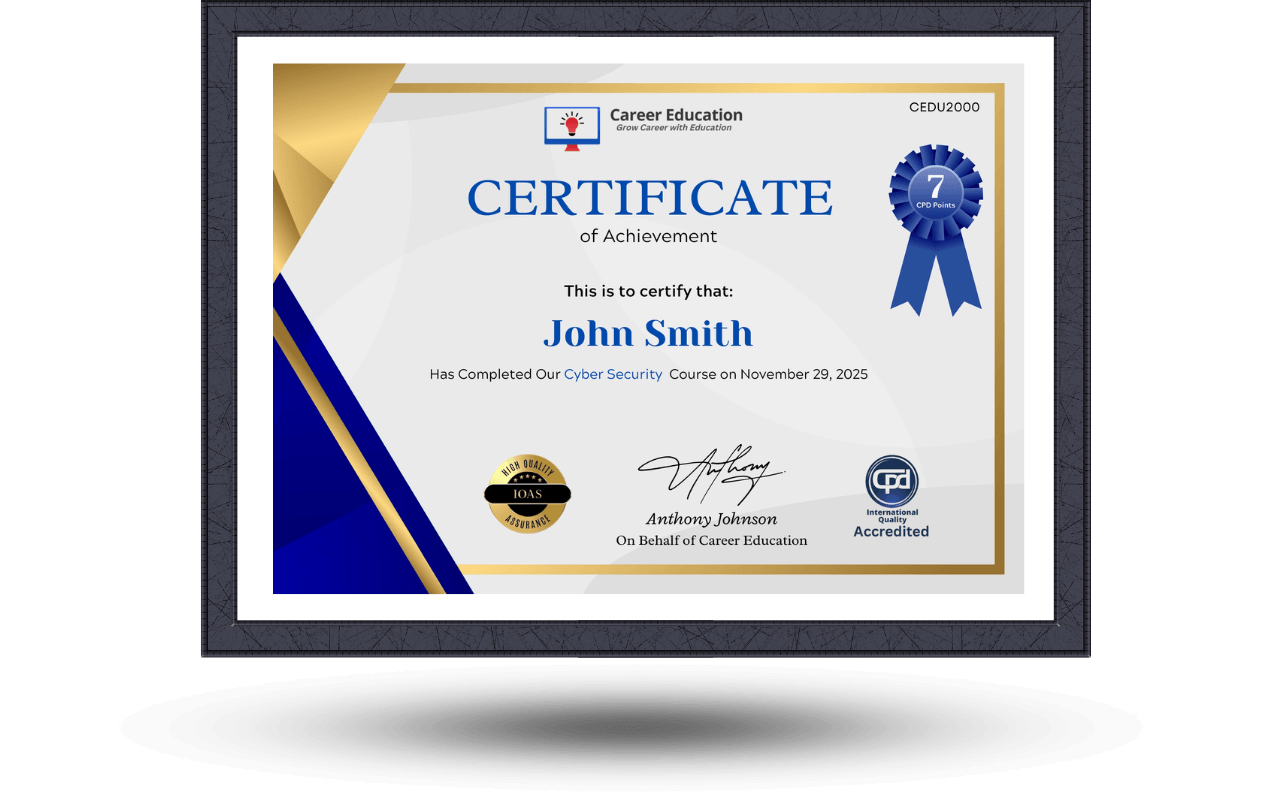
Earn an Accredited Certificate
Upon completion of the course, an e-certificate will be downloadable from Khan Education signifying the completion of your course. But, the course is CPD Accredited and after you complete the assignment, you will be eligible to order a certificate accredited by CPD International Quality for £5.99 only. If you want a hardcopy certificate accredited by CPD IQ, you can get it for only £15.99.
Get your CertificateSimilar Courses