
94%
OFF
OFF
Counseling Training
- Lifetime Access
- All Levels
- PDF Certificate
£296
£19
14-Day Money-Back Guarantee
Learn With Confidence





Counseling Training
Develop Practical Counseling Skills for Communication, Support and Positive Client Relationships
Effective counselling begins with understanding people.
Individuals seek support for many different reasons. They may be experiencing emotional difficulties, relationship challenges, life transitions, stress, trauma or uncertainty about the future. For anyone working in a helping role, the ability to listen carefully, communicate appropriately and create a safe environment can make a meaningful difference.
Counseling Training provides a structured introduction to essential counselling concepts, communication skills, counselling approaches, psychological development, crisis intervention, trauma, cultural competence, group counselling and family dynamics.
The course is designed to help learners develop a stronger understanding of how effective helping relationships are established and maintained. It explores the knowledge and interpersonal skills that can support respectful, empathetic and professional interactions with individuals and groups.
Whether you are interested in counselling as a subject, considering further study, working in a people-focused environment or looking to strengthen your communication skills, this Counseling Training course provides a valuable foundation.
You will progress from the fundamentals of counselling to more specialised topics, allowing you to develop your knowledge step by step.
By the end of the course, you can expect to have a broader understanding of counselling principles and greater awareness of the factors that influence effective communication and support.
What Is Counseling Training?
Counseling Training introduces learners to the principles and practices involved in counselling and supportive communication.
Counselling is not simply about giving advice. Effective counselling involves listening, asking appropriate questions, understanding the individual’s perspective and creating an environment in which people can explore their thoughts and feelings safely.
Professional counselling also requires clear boundaries, ethical awareness, appropriate training and an understanding of when additional or specialist support may be required.
This course explores these principles through seven structured modules covering:
-
Introduction to Counseling
-
Building Rapport and Communication Skills
-
Counseling Approaches and Techniques
-
Understanding Psychological Development
-
Crisis Intervention and Trauma
-
Cultural Competence in Counseling
-
Group Counseling and Family Dynamics
Together, these topics provide a broad foundation for understanding counselling and the interpersonal processes involved in helping relationships.
This course is educational in nature and does not by itself qualify learners to practise as a licensed or registered counsellor. Professional practice requirements vary by location and may involve accredited training, supervised practice, professional registration and other requirements.
Why Develop Counseling Skills?
Communication is central to almost every people-focused environment.
Counselling skills can be useful in healthcare, education, social care, community services, human resources, support work and other settings where people need to be heard and understood.
Developing your knowledge through Counseling Training can help you:
-
Understand fundamental counselling principles
-
Develop stronger listening skills
-
Build rapport with others
-
Communicate with greater empathy
-
Understand different counselling approaches
-
Recognise psychological development across different stages of life
-
Develop awareness of crisis and trauma
-
Communicate more effectively across cultural differences
-
Understand group counselling principles
-
Explore family dynamics and relationships
-
Recognise appropriate professional boundaries
-
Develop a more person-centred approach to support
These skills can contribute to more thoughtful and effective interactions with people who may be experiencing challenging circumstances.
What You Will Learn
Module 1: Introduction to Counseling
The course begins with Introduction to Counseling, establishing the foundation for understanding what counselling is and how it can support individuals.
You will explore the purpose of counselling and the role of the helping relationship.
Effective counselling requires more than simply listening to someone describe a problem. It involves creating an environment where the individual feels respected and able to communicate openly.
The module introduces fundamental concepts such as empathy, active listening, trust, confidentiality, boundaries and professional responsibility.
You will also develop an understanding of why counselling should be centred around the needs and experiences of the individual rather than the counsellor’s personal assumptions.
Learning outcomes
By completing this module, you should be able to:
-
Explain the basic purpose of counselling
-
Understand the role of a counsellor
-
Recognise the importance of active listening
-
Understand the value of empathy
-
Appreciate the importance of trust and confidentiality
-
Recognise professional boundaries
-
Understand the principles of person-centred support
This introductory knowledge provides a foundation for the communication and counselling techniques explored later in the course.
Module 2: Building Rapport and Communication Skills
A strong helping relationship depends on effective communication.
The Building Rapport and Communication Skills module focuses on the interpersonal skills required to create positive and respectful relationships with clients.
Rapport involves developing a sense of trust, understanding and connection. Without rapport, individuals may feel uncomfortable sharing personal experiences or exploring difficult topics.
You will explore the importance of active listening and learn why effective communication involves more than simply hearing the words someone says.
Non-verbal communication, tone, body language, appropriate questioning and attentive responses can all influence how a conversation develops.
The module encourages learners to become more aware of their own communication style and how it may affect others.
Learning outcomes
By completing this module, you can develop the ability to:
-
Build appropriate rapport
-
Use active listening principles
-
Communicate with empathy
-
Ask appropriate questions
-
Recognise the importance of non-verbal communication
-
Respond appropriately to emotional communication
-
Encourage individuals to express themselves
-
Develop more supportive communication habits
These skills are useful not only in counselling but also in many professional and personal situations.
Module 3: Counseling Approaches and Techniques
There is no single counselling approach that works for every individual or situation.
The Counseling Approaches and Techniques module introduces learners to different ways of understanding and supporting clients.
Different counselling approaches have developed around different theories of human behaviour, personality, relationships and psychological change.
Understanding these approaches can help learners appreciate why counsellors may use different methods depending on the needs of the client and the context.
You will explore the importance of selecting approaches thoughtfully rather than assuming that one technique is appropriate for everyone.
The module also introduces the concept of counselling techniques and how they can support communication and reflection.
Learning outcomes
You will develop an understanding of how to:
-
Recognise different counselling approaches
-
Understand the purpose of counselling techniques
-
Compare different perspectives on human behaviour
-
Consider the importance of individual client needs
-
Understand how techniques may support communication
-
Appreciate the importance of professional judgement and appropriate training
This module provides a foundation for further exploration of counselling theory and practice.
Module 4: Understanding Psychological Development
People change throughout their lives.
The Understanding Psychological Development module explores how psychological development can influence thoughts, behaviour, relationships and emotional experiences.
Understanding development can help counsellors and support professionals consider a person’s experiences within the context of their stage of life.
Children, adolescents, adults and older people may face different developmental challenges and social expectations. Individuals may also experience significant life transitions that influence their emotional wellbeing.
You will explore why developmental factors can be relevant when considering an individual’s experiences.
The module encourages learners to avoid treating people as if their thoughts and behaviours exist independently from their life experiences.
Learning outcomes
By completing this module, you should be able to:
-
Understand the concept of psychological development
-
Recognise developmental differences across life stages
-
Appreciate how experiences can influence behaviour
-
Consider the relationship between development and emotional wellbeing
-
Understand why individual context matters
-
Develop a more informed approach to understanding clients
This knowledge can help you view individuals more holistically.
Module 5: Crisis Intervention and Trauma
Some individuals may seek support during periods of severe distress or following traumatic experiences.
The Crisis Intervention and Trauma module introduces learners to the principles of responding appropriately when people experience significant emotional or psychological difficulties.
Crisis situations can require rapid assessment, appropriate communication and professional intervention.
The course encourages learners to understand the importance of safety and appropriate escalation rather than attempting to manage serious situations beyond their competence.
You will explore the potential impact of trauma and consider why individuals may respond differently to distressing experiences.
The module also highlights the importance of creating supportive interactions that avoid judgement and unnecessary pressure.
Learning outcomes
By completing this module, you can develop an understanding of:
-
The concept of psychological crisis
-
The potential effects of traumatic experiences
-
Appropriate principles of crisis support
-
The importance of safety
-
The role of professional intervention
-
The importance of calm and respectful communication
-
When specialist support or referral may be appropriate
-
The importance of working within appropriate professional boundaries
This knowledge can help learners recognise the complexity of crisis situations and respond more responsibly.
Module 6: Cultural Competence in Counseling
People come from different cultural, social, linguistic and personal backgrounds.
The Cultural Competence in Counseling module explores the importance of recognising and respecting these differences when communicating with clients.
Culture can influence beliefs, communication styles, family relationships, experiences and attitudes towards mental health and support.
Developing cultural competence does not mean making assumptions about people based on their background. Instead, it involves developing awareness, curiosity, respect and a willingness to understand the individual.
You will explore why counsellors and support professionals need to consider their own assumptions and potential biases.
Learning outcomes
By completing this module, you should be able to:
-
Understand the importance of cultural competence
-
Recognise cultural differences in communication
-
Avoid inappropriate assumptions and stereotypes
-
Develop greater self-awareness
-
Communicate respectfully with people from different backgrounds
-
Appreciate the importance of individual identity and experience
-
Support more inclusive helping relationships
These principles can help create more respectful and effective communication.
Module 7: Group Counseling and Family Dynamics
The final module explores counselling within group and family contexts.
The Group Counseling and Family Dynamics module recognises that people do not exist in isolation. Relationships and group environments can strongly influence thoughts, feelings and behaviour.
Group counselling introduces additional considerations because multiple individuals interact within the same setting.
You will explore the importance of communication, group dynamics, participation and appropriate boundaries.
The module also examines family dynamics and how patterns of communication and relationships may influence individual experiences.
Understanding these dynamics can provide a broader perspective when considering personal challenges.
Learning outcomes
By completing this module, you should be able to:
-
Understand basic principles of group counselling
-
Recognise factors that influence group dynamics
-
Appreciate the importance of communication within groups
-
Understand basic concepts related to family dynamics
-
Consider how relationships can influence individuals
-
Recognise the importance of boundaries in group settings
-
Develop a broader understanding of interpersonal relationships
Develop Stronger Helping Relationships
One of the most important outcomes of Counseling Training is developing a better understanding of the helping relationship.
People are more likely to communicate openly when they feel respected and listened to.
A supportive relationship does not require the counsellor to have all the answers. Instead, it requires the ability to listen carefully, communicate appropriately and support individuals as they explore their own experiences.
This approach can help create a more constructive environment for communication.
Improve Your Active Listening Skills
Listening is one of the most valuable skills in counselling.
Active listening involves paying attention not only to what someone says but also to how they communicate. It involves remaining present, avoiding unnecessary interruptions and responding in ways that demonstrate understanding.
Through Counseling Training, you will develop greater awareness of the importance of listening and empathy.
These skills can also benefit professionals in healthcare, education, management, social care and customer-facing roles.
Understand Different Counselling Approaches
Counselling includes a variety of theoretical approaches.
Each approach provides a different perspective on human behaviour and psychological change.
Developing an understanding of these approaches can help you appreciate why counselling is not a one-size-fits-all discipline.
You will learn why individual circumstances, goals and needs matter when considering appropriate approaches and techniques.
Develop Greater Awareness of Psychological Development
Understanding psychological development can help you recognise how people’s experiences may change throughout life.
A person’s current challenges may be connected to their developmental stage, relationships, experiences or major life transitions.
This perspective can help learners avoid making assumptions and instead consider the broader context surrounding an individual’s situation.
Develop Awareness of Trauma and Crisis
Crisis and trauma require sensitivity and appropriate professional responses.
The course introduces key principles that can help learners understand why people may respond differently to distressing situations.
You will develop greater awareness of the importance of safety, appropriate communication and professional referral when situations exceed your role or level of competence.
Communicate Across Cultural Differences
Effective counselling should respect the individual.
Cultural competence helps learners recognise that their own experiences and assumptions may not apply to everyone.
By developing greater awareness of cultural differences and individual perspectives, you can become better prepared to communicate respectfully with people from diverse backgrounds.
Understand Groups and Family Relationships
Many personal experiences are influenced by relationships.
Family patterns, communication styles and group interactions can all affect how people understand themselves and others.
The final module helps learners develop a broader perspective by considering the individual within their wider interpersonal environment.
Who Is Counseling Training For?
This course is suitable for a broad range of learners.
Aspiring Counsellors
Those considering counselling as a future career can use the course to develop introductory knowledge before pursuing appropriate professional qualifications.
Healthcare and Care Professionals
People working in healthcare, social care or support environments can strengthen their communication and interpersonal knowledge.
Teachers and Education Professionals
Teachers frequently interact with individuals experiencing emotional or personal difficulties. Counselling knowledge can contribute to more informed supportive communication within appropriate professional boundaries.
Human Resources Professionals
HR professionals regularly deal with workplace concerns, interpersonal challenges and sensitive conversations. Strong communication skills can be valuable in these environments.
Community and Support Workers
Those working with vulnerable or diverse populations can benefit from developing greater awareness of counselling principles and communication.
Personal Development Learners
Anyone interested in psychology, communication, emotional wellbeing and human relationships can use the course as a foundation for further learning.
What You Can Gain From This Course
By completing Counseling Training, you can develop knowledge and skills across a broad range of topics.
You can expect to develop an understanding of:
-
Fundamental counselling principles
-
Rapport building
-
Active listening
-
Empathetic communication
-
Counselling approaches
-
Counselling techniques
-
Psychological development
-
Crisis intervention
-
Trauma awareness
-
Cultural competence
-
Group counselling
-
Family dynamics
-
Professional boundaries
-
Person-centred support
These outcomes can support further study and professional development in people-focused fields.
Build Confidence in Supportive Communication
Many difficult conversations become easier when people feel genuinely heard.
The communication skills introduced in Counseling Training can help you become more conscious of how you listen, respond and communicate.
Whether you are supporting a colleague, working with clients, interacting with students or communicating with people in a care environment, these principles can help you approach conversations with greater patience and empathy.
Develop a More Person-Centred Approach
Effective counselling focuses on the individual rather than making assumptions.
Every person has their own experiences, relationships, culture, values and circumstances.
The course encourages learners to consider these differences and develop a more respectful approach to communication.
This person-centred perspective can help create stronger helping relationships and more meaningful interactions.
Start Your Counseling Learning Journey
Counselling is a field built around communication, understanding and human connection.
Counseling Training provides a structured introduction to the knowledge and interpersonal skills that underpin effective counselling and supportive relationships.
From Introduction to Counseling and Building Rapport and Communication Skills through to Counseling Approaches and Techniques, Psychological Development, Crisis Intervention and Trauma, Cultural Competence, and Group Counseling and Family Dynamics, the course provides a broad foundation for understanding the counselling process.
Whether you are preparing for further study, developing professional skills or simply want to understand people and communication more effectively, this course can provide a valuable starting point.
Develop stronger listening skills. Improve your understanding of human behaviour. Build greater awareness of cultural and interpersonal differences. Learn how counselling approaches can support meaningful communication.
Enrol in Counseling Training today and begin developing the knowledge and communication skills needed to approach supportive conversations with greater confidence, empathy and professionalism.
Course Modules
Course Content
Module 1_ Introduction to Counseling
-
Lesson 1_ Introduction to Counseling
Module 2_ Building Rapport and Communication Skills
Module 3_ Counseling Approaches and Techniques
Module 4_ Understanding Psychological Development
Module 5_ Crisis Intervention and Trauma
Module 6_ Cultural Competence in Counseling
Module 7_ Group Counseling and Family Dynamics
What our students say
Excellent
4.9 average
158 Reviews

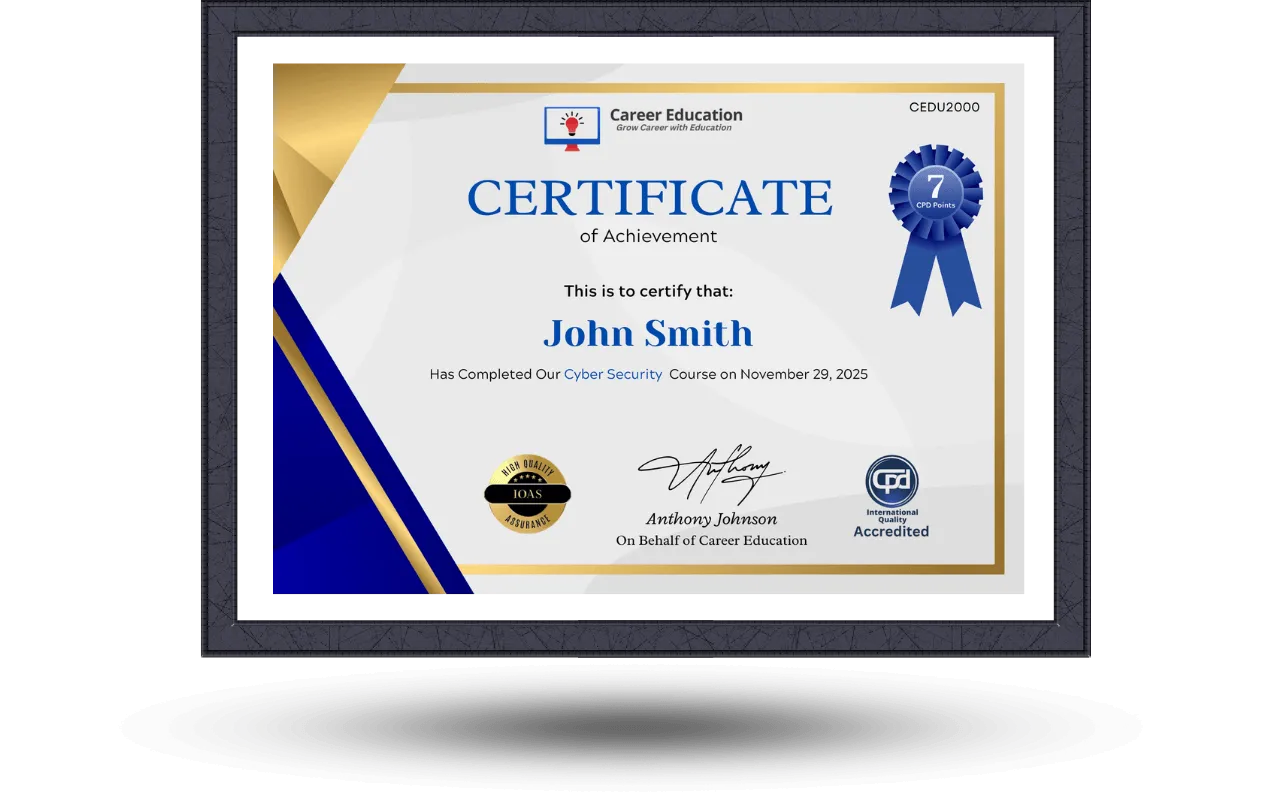
Earn an Accredited Certificate
Upon completion of any course, all students are entitled to a CPD IQ Accredited e-certificate that will be issued by Career Education signifying the completion of your course.
After you complete the course and assignment, you will be eligible to order a free certificate accredited by CPD International Quality by completing the form below.
Hardcopy certificates and transcripts are also available for a small additional fee. More information is disclosed upon course completion.
Similar Courses



Frequently Asked Questions
The lifetime membership includes unlimited access to all courses, resources, and updates for a one-time fee.
You can purchase the membership directly from our website using a secure checkout process.
Yes, selected courses can be downloaded for offline access through our mobile app.
Yes, all future updates and new courses are included at no extra cost.
Yes, we offer a 30-day money-back guarantee if you are not satisfied with the membership.