94%
OFF
OFF
Computer Technician Skills for Gaming Hardware and Software
- Lifetime Access
- All Levels
- PDF Certificate
£296
£19
14-Day Money-Back Guarantee
Learn With Confidence








Computer Technician Skills for Gaming Hardware and Software
Gaming has evolved into a highly technical experience where hardware performance, software configuration, cooling, storage, and system optimization can make a significant difference. Whether you are interested in building gaming PCs, supporting gamers, improving computer performance, or developing practical technical knowledge, understanding how gaming systems work is an increasingly valuable skill.
The Computer Technician Skills for Gaming Hardware and Software course is designed to help learners develop practical knowledge of gaming computer hardware, software, performance optimization, cooling, storage, peripherals, and system configuration. Instead of focusing only on theory, the course explores the key considerations involved in creating, maintaining, and optimizing a gaming-focused computer system.
From choosing the right CPU and GPU to understanding power supplies, airflow, storage solutions, in-game settings, peripherals, and gaming software, you will build a broader understanding of what contributes to an effective gaming setup.
Why Learn Computer Technician Skills for Gaming Hardware and Software?
A gaming computer is made up of many interconnected components. Selecting an expensive graphics card alone does not guarantee excellent performance. The processor, memory, power supply, storage, cooling system, software configuration, and display settings all contribute to the overall experience.
Developing Computer Technician Skills for Gaming Hardware and Software can help you understand these relationships and make better technical decisions.
This knowledge can be useful for learners who want to:
-
Understand gaming PC components and their functions
-
Make informed hardware selection decisions
-
Learn how CPUs and GPUs affect gaming performance
-
Understand power requirements and cooling considerations
-
Improve storage performance and loading times
-
Develop better airflow and cooling strategies
-
Explore responsible system performance tuning
-
Optimize in-game settings
-
Understand gaming peripherals and accessories
-
Improve knowledge of gaming software and optimization techniques
By the end of the course, you will have a structured foundation for understanding gaming computer technology and the factors that influence system performance.
What Will You Learn?
The course takes you through the major areas involved in gaming hardware and software, beginning with PC customization and progressing toward advanced optimization concepts.
Module 1: Introduction to Customizing Your PC for Video Gaming
The course begins by introducing the fundamentals of customizing a computer for gaming. You will explore the reasons gamers customize their systems and learn how different hardware and configuration choices can influence the overall gaming experience.
You will develop an understanding of how a gaming PC should be approached as a complete system rather than simply a collection of individual components.
This module provides a foundation for making more informed decisions when planning or evaluating a gaming setup.
Module 2: Selecting the Right Hardware Components
Choosing compatible and suitable hardware is an essential computer technician skill. This module explores the important considerations involved in selecting components for a gaming computer.
You will learn how to think about hardware requirements, compatibility, performance expectations, and the role different components play within a system.
By developing these skills, you can approach gaming PC configurations more systematically and avoid making decisions based solely on individual component specifications.
Module 3: CPU and GPU Considerations for Gaming
The CPU and GPU are two of the most important components in a gaming computer. Understanding their roles can help you identify potential performance limitations and make more appropriate hardware decisions.
This module focuses on CPU and GPU considerations for gaming, helping you understand how processor and graphics performance can affect different gaming workloads.
You will gain knowledge that can help you evaluate gaming systems, understand performance requirements, and make better-informed upgrade decisions.
Module 4: Power Supply and Cooling Solutions
Reliable power delivery and effective cooling are essential parts of a well-designed gaming computer. Powerful components require an appropriate power solution, while sustained workloads can generate significant heat.
In this module, you will explore power supply and cooling considerations. You will learn why selecting suitable power delivery and thermal solutions matters when designing a gaming system.
The knowledge gained here can help you better understand system reliability, thermal management, and the relationship between hardware performance and supporting components.
Module 5: Enhancing Gaming Speed and Load Times with Storage Solutions
Storage technology can influence how quickly games and applications load and how responsive a computer feels during everyday use.
This module examines storage solutions from a gaming perspective. You will explore how storage choices can contribute to improved loading experiences and learn why storage should be considered when planning a gaming computer.
Rather than treating storage as an afterthought, you will understand its place within an overall gaming system configuration.
Module 6: Keeping Your Gaming Rig Cool: Cooling and Airflow Strategies
Temperature management is another important aspect of computer technician knowledge. A gaming computer needs an appropriate cooling strategy to manage heat generated by its components.
This module explores cooling and airflow strategies for gaming systems. You will develop an understanding of how airflow contributes to thermal management and why component placement and cooling solutions matter.
The outcome is a stronger understanding of how to approach cooling as part of a complete system design rather than relying on a single cooling component.
Module 7: Unleashing Power Responsibly: The Art of Overclocking
Performance tuning can be an interesting part of gaming PC customization. This module introduces the concept of overclocking and the importance of approaching performance adjustments responsibly.
You will learn about the principles behind increasing system performance beyond standard configurations while considering factors such as stability, temperatures, and system limitations.
The module encourages a balanced understanding of performance tuning, helping you recognize that higher performance should be considered alongside system stability and appropriate thermal management.
Module 8: Striking the Perfect Balance: In-Game Settings Optimization
Hardware is only part of the gaming performance equation. Software and in-game configuration can also influence visual quality and performance.
This module explores how in-game settings can be optimized to create a suitable balance between graphical quality and performance.
You will learn how different settings can affect the gaming experience and develop a more structured approach to adjusting configurations according to system capabilities and user requirements.
These skills can help you better understand why simply selecting the highest available graphics settings is not always the most appropriate approach.
Module 9: Elevating Gameplay with Gaming Peripherals and Accessories
A complete gaming environment extends beyond the computer itself. Keyboards, mice, controllers, headsets, monitors, and other accessories can influence usability and the overall gaming experience.
This module explores gaming peripherals and accessories and their role in creating an effective setup.
You will develop knowledge that can help you evaluate different peripheral requirements and understand how accessories can complement the capabilities of a gaming computer.
This is particularly useful for anyone interested in helping users select or configure complete gaming setups.
Module 10: Mastering Gaming Software and Optimization Techniques
The final module brings together hardware and software knowledge by focusing on gaming software and optimization techniques.
You will explore how software configuration can contribute to system performance and usability. The module helps you develop a broader perspective on gaming PC optimization by considering both physical components and software environments.
By completing this module, you will have a more comprehensive understanding of the technical factors that contribute to an optimized gaming system.
Practical Outcomes of the Course
The Computer Technician Skills for Gaming Hardware and Software course is designed around practical learning outcomes. After completing the course, you should have a stronger understanding of how to evaluate gaming computer configurations and identify the factors that can influence performance.
You will be better prepared to:
Evaluate gaming hardware: Understand the purpose and importance of major gaming PC components and consider how they work together.
Make informed component choices: Assess hardware according to system requirements, compatibility, and intended gaming use.
Understand CPU and GPU performance: Recognize the importance of processor and graphics capabilities when evaluating gaming systems.
Consider power and cooling requirements: Understand why power delivery and thermal management should be considered during system planning.
Improve storage decisions: Recognize how storage technologies can affect game loading and general system responsiveness.
Understand airflow: Develop knowledge of cooling and airflow principles that contribute to effective thermal management.
Explore performance tuning: Understand the fundamentals of responsible overclocking and the importance of stability and thermal considerations.
Optimize gaming configurations: Learn how to balance graphics quality and performance through appropriate in-game settings.
Evaluate gaming accessories: Understand the role of peripherals in creating a complete gaming environment.
Apply software optimization concepts: Develop a broader understanding of how software configuration can complement capable hardware.
Who Is This Course For?
This course is suitable for learners who want to expand their technical understanding of gaming computers and related software.
It can be particularly useful for:
-
Aspiring computer technicians
-
Beginner PC builders
-
Gaming PC enthusiasts
-
IT learners
-
Technology students
-
People interested in hardware support
-
Gaming setup enthusiasts
-
Learners interested in computer optimization
-
Individuals looking to expand their digital and technical knowledge
-
Anyone who wants a structured introduction to gaming hardware and software
You do not need to be an experienced computer technician to benefit from the course. The curriculum is structured to progressively introduce key concepts, making it suitable for learners who want to develop their knowledge step by step.
Build Knowledge That Goes Beyond Gaming
Although the course focuses specifically on gaming systems, many of the concepts covered can support broader computer technology knowledge.
Understanding CPUs, GPUs, power supplies, cooling, storage, peripherals, and software configuration can help you develop a stronger overall understanding of modern computers.
Gaming systems can also provide useful examples of how demanding workloads affect hardware. By studying these systems, you can gain insight into component selection, system compatibility, thermal management, performance optimization, and software configuration.
This makes the course relevant not only to gaming enthusiasts but also to anyone interested in developing practical computer technology knowledge.
Develop a More Systematic Approach to Gaming PC Optimization
One of the biggest benefits of learning Computer Technician Skills for Gaming Hardware and Software is developing a structured way of thinking about computer performance.
When a gaming system does not perform as expected, there can be multiple contributing factors. The issue may relate to hardware selection, processor or graphics performance, storage, power delivery, cooling, configuration, peripherals, or software.
A broad technical foundation can help you understand these different areas and approach gaming computer configuration more logically.
Instead of looking at individual specifications in isolation, you can learn to consider how the components and settings work together.
Learn About Performance Without Losing Sight of Stability
Performance is an important consideration for gaming, but responsible computer optimization requires more than simply trying to maximize performance.
The course introduces concepts surrounding cooling, power requirements, airflow, and responsible performance tuning. This encourages learners to consider system stability and thermal management alongside performance.
Understanding this balance is an important part of developing useful computer technician skills.
Enhance Your Technical Confidence
Technology can appear complicated when you are unfamiliar with the terminology and relationships between components. A structured course can make it easier to build your knowledge progressively.
As you work through the modules, you will encounter key areas of gaming computer technology in a logical sequence—from customization and component selection through to optimization and gaming software.
This can help you become more confident when discussing gaming hardware, evaluating computer configurations, and understanding performance-related considerations.
Why Choose This Course?
The Computer Technician Skills for Gaming Hardware and Software course combines essential gaming PC hardware knowledge with software and optimization concepts in one structured learning experience.
Rather than concentrating exclusively on PC assembly or gaming settings, the curriculum covers multiple areas that contribute to a complete understanding of gaming systems.
You will explore:
-
PC customization
-
Hardware selection
-
CPU and GPU considerations
-
Power supply solutions
-
Cooling systems
-
Storage technologies
-
Airflow strategies
-
Overclocking concepts
-
In-game optimization
-
Gaming peripherals
-
Gaming software
-
Performance optimization
This broad approach can help you develop knowledge that is useful when building, evaluating, configuring, or supporting gaming computers.
Take the Next Step in Your Technical Learning
Gaming technology continues to evolve, and understanding the relationship between hardware and software can give you a valuable foundation for continued learning.
Whether your goal is to understand your own gaming computer more effectively, explore PC building, develop computer technician knowledge, or broaden your technical skill set, the Computer Technician Skills for Gaming Hardware and Software course provides a structured pathway through the essential concepts.
You will explore the components that power gaming systems, the technologies that help them operate effectively, and the configuration choices that can influence the gaming experience.
By the end of the course, you will have developed a stronger foundation in gaming hardware, system configuration, cooling, storage, performance considerations, peripherals, and software optimization.
Enrol in the Computer Technician Skills for Gaming Hardware and Software course today and start developing practical knowledge that can help you understand, evaluate, and optimize modern gaming computer systems.
Course Modules
Course Content
Module 1_ Introduction to Customizing Your PC for Video Gaming.
-
Lesson 1_ Introduction to Customizing Your PC for Video Gaming.
Module 2_ Selecting the Right Hardware Components.
Module 3_ CPU and GPU Considerations for Gaming.
Module 4_ Power Supply and Cooling Solutions.
Module 5_ Enhancing Gaming Speed and Load Times with Storage Solutions.
Module 6_ Keeping Your Gaming Rig Cool_ Cooling and Airflow Strategies.
Module 7_ Unleashing Power Responsibly_ The Art of Overclocking.
Module 8_ Striking the Perfect Balance_ In-Game Settings Optimization.
Module 9_ Elevating Gameplay with Gaming Peripherals and Accessories.
Module 10_ Mastering Gaming Software and Optimization Techniques.
What our students say
Excellent
4.9 average
158 Reviews

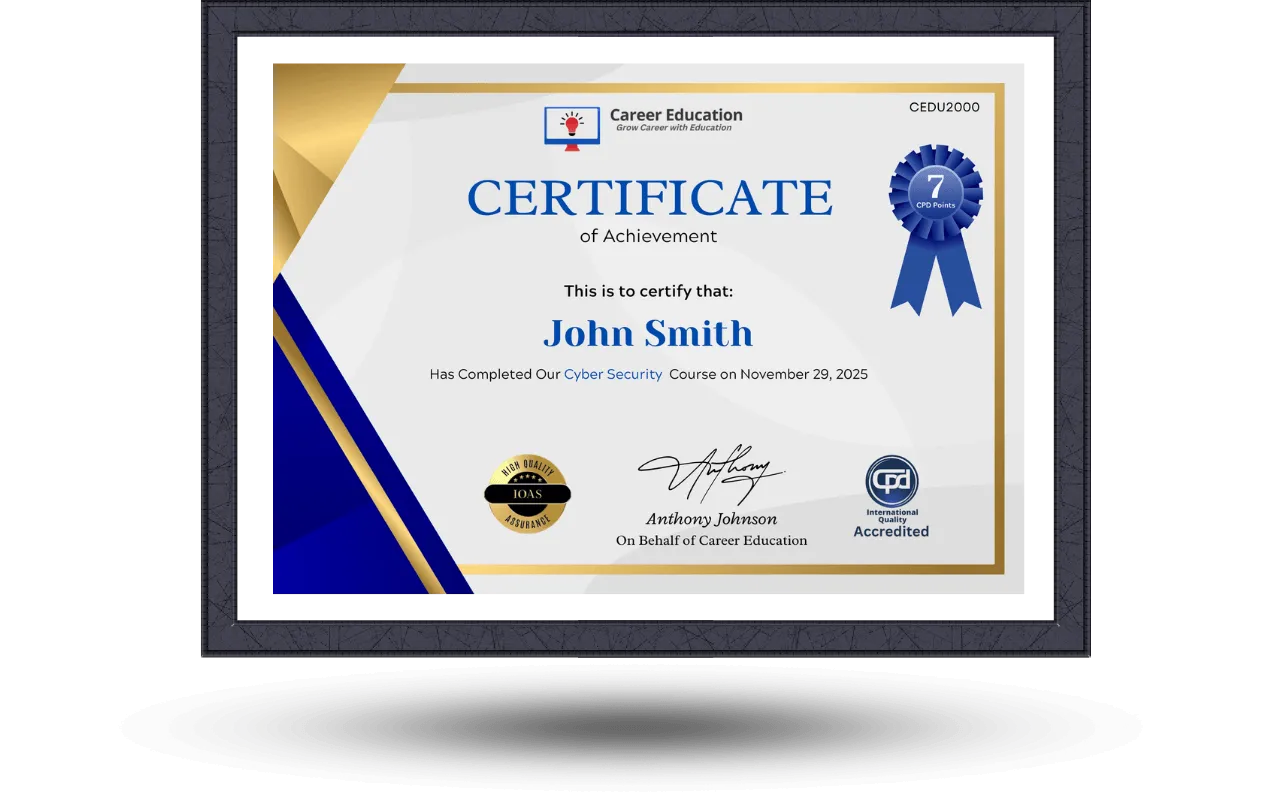
Earn an Accredited Certificate
Upon completion of any course, all students are entitled to a CPD IQ Accredited e-certificate that will be issued by Career Education signifying the completion of your course.
After you complete the course and assignment, you will be eligible to order a free certificate accredited by CPD International Quality by completing the form below.
Hardcopy certificates and transcripts are also available for a small additional fee. More information is disclosed upon course completion.
Similar Courses



Frequently Asked Questions
The lifetime membership includes unlimited access to all courses, resources, and updates for a one-time fee.
You can purchase the membership directly from our website using a secure checkout process.
Yes, selected courses can be downloaded for offline access through our mobile app.
Yes, all future updates and new courses are included at no extra cost.
Yes, we offer a 30-day money-back guarantee if you are not satisfied with the membership.