
OFF
Clinical Psychology Training
- Lifetime Access
- All Levels
- PDF Certificate
Learn With Confidence









Overview
# Clinical Psychology Training
**Develop a strong foundation in clinical psychology, psychological assessment, treatment approaches, psychopathology, personality disorders, and child and adolescent psychology with Clinical Psychology Training.**
Understanding human behaviour, mental processes and psychological wellbeing is an important part of modern healthcare, education, social care and professional development. Clinical psychology provides a structured framework for understanding psychological difficulties, assessing individual needs and exploring appropriate approaches to psychological support and treatment.
**Clinical Psychology Training** is designed to introduce learners to the key concepts and areas of clinical psychology through a structured and accessible curriculum. The course covers the foundations of clinical psychology, assessment and diagnosis, treatment modalities, psychopathology and personality disorders, and psychological considerations relating to children and adolescents.
Whether you are interested in psychology as a subject, work in a people-focused environment, are considering further study or want to expand your professional knowledge, this course provides a valuable introduction to the field.
The course focuses on developing knowledge and understanding rather than preparing learners to independently diagnose or treat mental health conditions. Clinical diagnosis and psychological treatment require appropriate professional qualifications, supervised practice and relevant regulatory requirements.
## Why Study Clinical Psychology Training?
Clinical psychology is a broad field that brings together psychological theory, research, assessment and evidence-informed approaches to supporting people experiencing psychological difficulties.
Developing knowledge in this area can help learners better understand:
* Human behaviour and psychological processes
* Psychological assessment
* Diagnostic concepts
* Mental health difficulties
* Psychopathology
* Personality disorders
* Treatment approaches
* Child and adolescent development
* Psychological support
* Professional boundaries
**Clinical Psychology Training** provides an organised introduction to these areas, helping learners build their knowledge progressively.
Rather than concentrating on one narrow topic, the course provides a broad overview of clinical psychology and its major areas of application.
—
# What Will You Learn?
By completing **Clinical Psychology Training**, you will develop a foundational understanding of important clinical psychology concepts.
You will begin by exploring the nature and scope of clinical psychology and its role in understanding psychological wellbeing and difficulties.
You will then examine assessment and diagnosis, including the importance of gathering relevant information and understanding psychological presentations.
The course progresses into treatment modalities, introducing different approaches that may be used within psychological practice.
You will also explore psychopathology and personality disorders before examining important psychological considerations relating to children and adolescents.
By the end of the course, you will have developed a broader understanding of clinical psychology and its major areas of study.
—
# Course Curriculum
## Module 1 – Introduction to Clinical Psychology
The first module establishes the foundation for understanding clinical psychology.
### Lesson 1 – Introduction to Clinical Psychology
You will begin by exploring what clinical psychology is, what clinical psychologists do and how the field relates to broader psychology and healthcare.
Clinical psychology involves the application of psychological knowledge to understanding, assessing and supporting people experiencing psychological difficulties.
You will explore areas such as:
* Definition and scope of clinical psychology
* History and development of clinical psychology
* Roles within clinical psychology
* Psychological wellbeing
* Human behaviour and mental processes
* Psychological difficulties
* The relationship between psychology and healthcare
* Clinical psychology research
* Professional practice
* Ethical considerations
* Confidentiality and professional boundaries
Understanding the foundations of clinical psychology provides essential context for the topics covered in later modules.
You will develop awareness of the different roles and responsibilities associated with clinical psychology and the importance of evidence-informed and ethical practice.
### Outcome
After completing this module, you will understand the basic concepts, scope and role of clinical psychology.
You will be able to distinguish clinical psychology from broader psychological study and recognise the importance of ethical, evidence-informed professional practice.
—
# Module 2 – Assessment and Diagnosis
Psychological assessment is an important part of clinical practice.
Professionals may use different forms of information to understand a person’s experiences, behaviours, psychological functioning and support needs.
This module introduces the principles of psychological assessment and diagnosis.
You will explore:
* The purpose of psychological assessment
* Gathering psychological information
* Clinical interviews
* Observation
* Psychological testing
* Assessment methods
* Understanding symptoms and presentations
* Diagnostic concepts
* Differential considerations
* Assessment limitations
* Ethical considerations in assessment
* The importance of professional judgement
Assessment is not simply about identifying symptoms. It involves understanding the individual within their wider context and considering relevant information carefully.
The module helps learners understand why appropriate assessment processes are important and why diagnosis should only be undertaken by suitably qualified professionals within their scope of practice.
### Outcome
By completing this module, you will understand the fundamental principles of psychological assessment and diagnosis.
You will recognise different assessment approaches and understand the importance of accurate information, professional judgement, ethics and appropriate diagnostic frameworks.
—
# Module 3 – Treatment Modalities
There are various psychological approaches used to support people experiencing psychological difficulties.
This module introduces learners to different treatment modalities and provides an overview of how psychological interventions may be structured.
You will explore:
* Psychological treatment
* Therapeutic approaches
* Treatment planning
* Cognitive and behavioural approaches
* Talking therapies
* Person-centred approaches
* Other treatment modalities
* Therapeutic relationships
* Treatment goals
* Monitoring progress
* Professional considerations
* Evidence-informed practice
Different individuals may respond differently to psychological interventions, and treatment decisions should be based on appropriate professional assessment, individual circumstances and evidence.
The module provides an overview rather than professional training in delivering therapy.
### Outcome
After completing this module, you will understand the broad categories of psychological treatment modalities and the factors that can influence treatment planning.
You will develop awareness of how psychological interventions can be selected and evaluated within appropriate professional practice.
—
# Module 4 – Psychopathology and Personality Disorders
Psychopathology involves the study of psychological disorders and abnormal psychological functioning.
Understanding psychopathology can help learners recognise the characteristics and complexity of different psychological conditions.
This module examines psychopathology and personality disorders.
You will explore:
* The concept of psychopathology
* Psychological disorders
* Symptoms and behavioural patterns
* Factors associated with psychological difficulties
* Classification of mental health conditions
* Personality disorders
* Characteristics of personality disorders
* Psychological and social influences
* Assessment considerations
* Treatment considerations
* Stigma and misconceptions
The module encourages learners to understand psychological disorders within a broader context rather than relying on stereotypes or simplistic assumptions.
You will also consider why individual assessment and professional judgement are important when understanding psychological presentations.
### Outcome
By completing this module, you will develop a stronger understanding of psychopathology and personality disorders.
You will be able to recognise the complexity of psychological disorders and understand why assessment, professional expertise and individual context are essential.
—
# Module 5 – Child and Adolescent Psychology
Children and adolescents experience significant psychological, emotional, social and developmental changes.
Understanding these developmental stages is important when considering psychological wellbeing and difficulties among younger people.
This module introduces key areas of child and adolescent psychology.
You will explore:
* Child psychological development
* Adolescent development
* Emotional development
* Social development
* Behavioural development
* Psychological wellbeing
* Common psychological concerns
* Developmental influences
* Family and environmental factors
* Assessment considerations
* Psychological support
* The importance of age-appropriate approaches
Children and adolescents cannot always be understood using the same perspectives applied to adults.
Developmental stage, family environment, education, social relationships and other contextual factors can influence psychological wellbeing.
### Outcome
After completing this module, you will understand important psychological considerations relating to children and adolescents.
You will recognise how developmental and environmental factors can influence psychological wellbeing and why age-appropriate approaches are important.
—
# Practical Knowledge You Can Develop
**Clinical Psychology Training** is designed to help you develop broad, practical knowledge of clinical psychology concepts.
By completing the course, you can strengthen your ability to:
### Understand Clinical Psychology
Develop a clear foundation in the purpose, scope and applications of clinical psychology.
### Understand Psychological Assessment
Learn about different approaches used to gather information about psychological functioning and individual needs.
### Recognise Diagnostic Concepts
Develop awareness of the principles behind psychological diagnosis and the importance of professional assessment.
### Explore Treatment Modalities
Gain an overview of different psychological treatment approaches and their role within clinical practice.
### Understand Psychopathology
Develop knowledge of psychological disorders and the factors that can influence psychological wellbeing.
### Explore Personality Disorders
Understand the general characteristics and complexities associated with personality disorders.
### Understand Child and Adolescent Psychology
Develop awareness of psychological development and wellbeing during childhood and adolescence.
### Appreciate Professional Ethics
Recognise the importance of confidentiality, professional boundaries, appropriate scope of practice and ethical decision-making.
—
# Who Is Clinical Psychology Training For?
This course can be suitable for learners with an interest in psychology, mental health and people-focused professional environments.
It may be particularly useful for:
* Psychology students
* Aspiring psychology professionals
* Counselling learners
* Mental health support workers
* Health and social care professionals
* Education professionals
* Teachers and teaching assistants
* Support workers
* Youth workers
* Care professionals
* Human resources professionals
* Managers working in people-focused environments
* Individuals interested in psychology
* Learners considering further study
The course can also provide useful background knowledge for anyone who wants to understand psychological concepts without undertaking professional clinical training.
—
# Build Your Understanding of Human Behaviour
Human behaviour is complex.
People’s thoughts, emotions, behaviours and experiences can be influenced by biological, psychological, social and environmental factors.
Clinical psychology provides frameworks for understanding these complexities.
**Clinical Psychology Training** introduces learners to these concepts and helps them develop a more informed perspective on psychological wellbeing and difficulties.
Rather than viewing psychological problems through simplistic labels, the course encourages an understanding of assessment, context and individual differences.
—
# Understand Psychological Assessment
Assessment is a central concept within clinical psychology.
Professionals need to gather relevant information and understand an individual’s experiences before making appropriate clinical decisions.
Through the assessment and diagnosis module, you will explore different ways psychological information may be gathered and considered.
This can help you understand why assessment should be systematic, ethical and undertaken by appropriately qualified professionals.
You will also develop awareness of the limitations of assessment and the importance of professional judgement.
—
# Explore Psychological Treatment
There are many different approaches to psychological treatment.
Each approach has its own theoretical foundations, techniques and potential applications.
**Clinical Psychology Training** introduces learners to treatment modalities and provides an overview of how psychological interventions may support individuals experiencing psychological difficulties.
This knowledge can help you understand discussions around therapy and psychological treatment while recognising that delivering clinical interventions requires appropriate training and professional competence.
—
# Understand Psychopathology Without Stigma
Mental health conditions can be misunderstood.
Stereotypes and inaccurate assumptions can contribute to stigma and make it more difficult for people to seek appropriate support.
Studying psychopathology can help learners develop a more informed understanding of psychological disorders.
The course explores psychological difficulties and personality disorders from an educational perspective, encouraging learners to recognise complexity and individual differences.
This can support more informed communication and reduce reliance on simplistic assumptions.
—
# Explore Personality Disorders
Personality disorders are complex psychological conditions that involve enduring patterns of thinking, feeling and behaviour.
Understanding these conditions requires more than memorising diagnostic descriptions.
The course introduces personality disorders while highlighting the importance of context, assessment and professional expertise.
This provides learners with a foundation for understanding the subject within the broader field of clinical psychology.
—
# Understand Child and Adolescent Psychology
Children and young people are continuously developing.
Their emotional, behavioural and social experiences can change significantly throughout childhood and adolescence.
The final module explores these developmental considerations and highlights the importance of age-appropriate understanding.
You will consider how family, education, social environments and development can influence psychological wellbeing.
This knowledge can be particularly relevant to learners who work or plan to work with children and young people.
—
# Develop Professional Awareness
Clinical psychology involves significant ethical and professional responsibilities.
Confidentiality, informed communication, professional boundaries, competence and appropriate referral are important considerations.
Throughout the course, learners are encouraged to understand the boundaries between educational knowledge and professional clinical practice.
This is particularly important because **Clinical Psychology Training** is designed as an educational course and does not by itself qualify learners to diagnose mental health conditions or provide clinical psychological treatment.
—
# Build a Foundation for Further Study
The knowledge developed through **Clinical Psychology Training** can provide a useful starting point for learners who want to explore psychology further.
Potential areas for continued study include:
* Counselling
* Mental health
* Psychology
* Child psychology
* Cognitive psychology
* Behavioural psychology
* Psychotherapy
* Social care
* Mental health support
* Psychological research
* Developmental psychology
The course can therefore form part of a broader personal or professional learning pathway.
—
# Support Your Career Development
Psychological knowledge can be valuable across many people-focused environments.
Professionals working in education, social care, healthcare, human resources and support services may regularly interact with people experiencing emotional or psychological challenges.
Developing foundational psychology knowledge can help learners understand relevant terminology and concepts more confidently.
However, learners should always work within the requirements, responsibilities and professional boundaries of their own role.
—
# Learn Through a Structured Curriculum
The five-module structure provides a logical progression through the subject.
You begin with **Introduction to Clinical Psychology**, establishing the foundations.
You then move into **Assessment and Diagnosis**, exploring how psychological information may be gathered and interpreted.
The third module covers **Treatment Modalities**, introducing different approaches to psychological intervention.
You then explore **Psychopathology and Personality Disorders**, developing your understanding of psychological disorders and their complexity.
Finally, **Child and Adolescent Psychology** introduces important developmental considerations relating to younger people.
This structure provides a broad overview of clinical psychology while connecting foundational theory with important areas of practice.
—
# Start Your Clinical Psychology Learning Journey
Clinical psychology is a fascinating and important field that combines psychological knowledge, research, assessment and evidence-informed approaches to supporting psychological wellbeing.
**Clinical Psychology Training** provides an accessible introduction to the subject, covering the essential areas learners need to begin developing their understanding.
From clinical psychology fundamentals and psychological assessment to treatment modalities, psychopathology, personality disorders and child and adolescent psychology, the course provides a broad learning experience.
Whether you are a psychology student, healthcare or social care professional, educator, support worker, aspiring psychology professional or simply interested in understanding human behaviour, this course can help expand your knowledge.
By completing **Clinical Psychology Training**, you will develop a stronger understanding of clinical psychology terminology, assessment concepts, treatment approaches, psychological disorders and developmental considerations.
You will also gain greater awareness of the importance of ethical practice, professional boundaries and appropriate qualifications when working in clinical settings.
**Enrol in Clinical Psychology Training today and build a strong foundation for understanding psychological wellbeing, assessment, treatment and human development.**
Course Modules
Course Content
Module 1_ Introduction to Clinical Psychology
-
Lesson 1_ Introduction to Clinical Psychology
Module 2_ Assessment and Diagnosis
Module 3_ Treatment Modalities
Module 4_ Psychopathology and Personality Disorders
Module 5_ Child and Adolescent Psychology
What our students say

Earn an Accredited Certificate
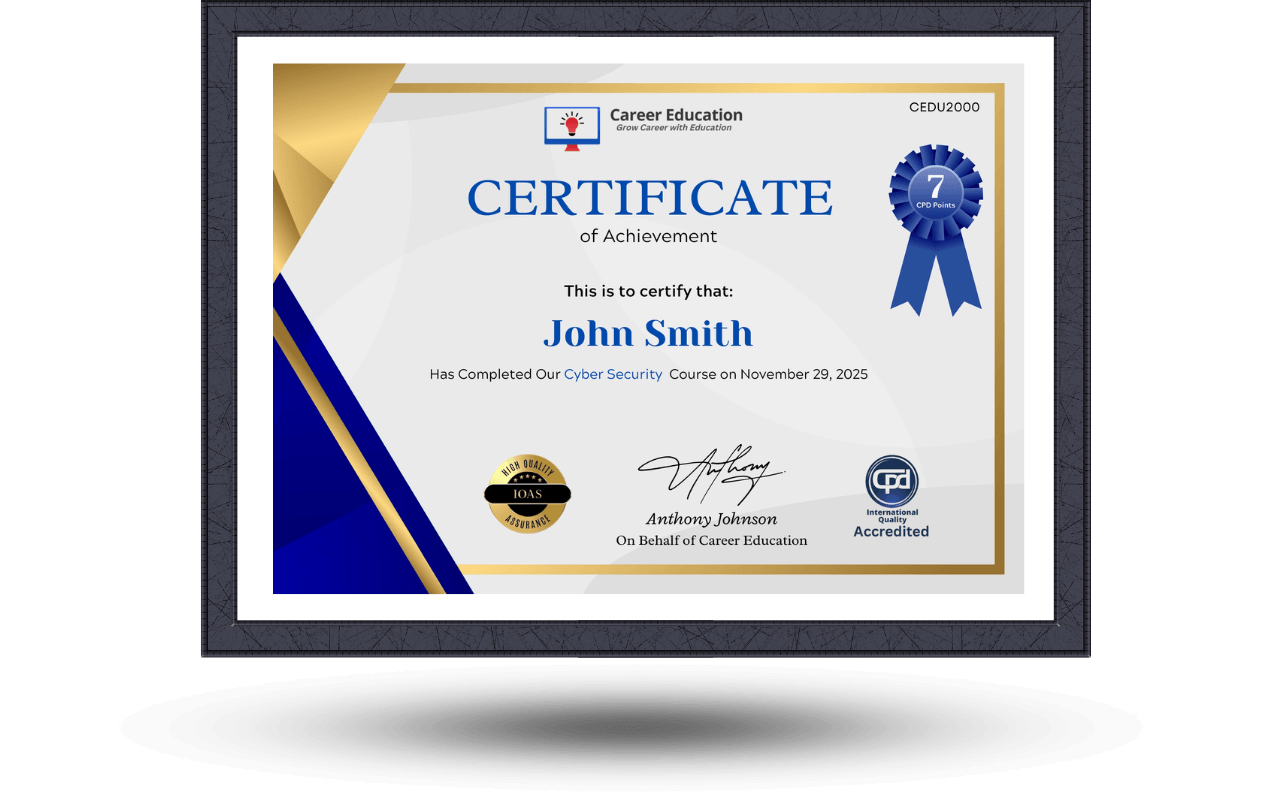
Upon completion of the course, an e-certificate will be downloadable from Khan Education signifying the completion of your course. But, the course is CPD Accredited and after you complete the assignment, you will be eligible to order a certificate accredited by CPD International Quality for £5.99 only. If you want a hardcopy certificate accredited by CPD IQ, you can get it for only £15.99.
Get your CertificateSimilar Courses