
94%
OFF
OFF
Child Psychology for Teaching Assistants
- Lifetime Access
- All Levels
- PDF Certificate
£296
£19
14-Day Money-Back Guarantee
Learn With Confidence









Child Psychology for Teaching Assistants
Overview
The Child Psychology for Teaching Assistants course is designed to help teaching assistants develop a deeper understanding of children’s emotional, cognitive, social, and behavioural development. By exploring key psychological principles and child development theories, learners will gain the knowledge and practical skills needed to provide effective classroom support and create positive learning environments.
Understanding child psychology is essential for teaching assistants who work closely with children at different developmental stages. Every child learns, communicates, and responds to situations differently. This Child Psychology for Teaching Assistants course equips learners with the ability to recognise individual needs, understand behaviour, support emotional wellbeing, and contribute effectively to children’s educational journeys.
Throughout this course, learners will explore how children develop from early childhood through later stages, how psychological theories influence learning, and how environmental, social, and emotional factors shape a child’s behaviour and progress. The course also covers special educational needs (SEN), childhood mental health, observation techniques, and professional reflection to help teaching assistants become more confident and effective in their roles.
Whether you are starting your career as a teaching assistant, already working in education, or looking to expand your knowledge of child development, this course provides valuable insights into the psychological foundations of supporting children in educational settings.
Course Description
The Child Psychology for Teaching Assistants course provides a comprehensive introduction to the principles of child psychology and their practical application within schools and learning environments. Teaching assistants play a vital role in supporting children’s academic progress, emotional development, and social wellbeing. To perform this role effectively, it is important to understand the psychological factors that influence children’s learning and behaviour.
This course explores the relationship between psychology and education by examining how children think, learn, communicate, interact, and respond to different experiences. Learners will develop an understanding of child development stages and discover how cognitive, social, emotional, and behavioural development can impact classroom experiences.
The Child Psychology for Teaching Assistants course focuses on practical knowledge that can be applied directly in educational settings. Learners will understand how to identify developmental differences, support children facing challenges, and use observation techniques to better understand individual needs.
By completing this course, learners will be able to:
-
Understand the fundamental principles of child psychology and their relevance to education.
-
Recognise different stages of child development and how they influence learning.
-
Apply psychological theories to support children’s cognitive growth.
-
Understand social and emotional development in children.
-
Identify factors influencing children’s behaviour and responses.
-
Support children with special educational needs and individual learning requirements.
-
Recognise signs of childhood mental health challenges.
-
Understand how family, culture, and environment influence development.
-
Use observation and assessment approaches to support children effectively.
-
Reflect on professional practice and continue personal development as a teaching assistant.
Course Curriculum
Module 1: Introduction to Child Psychology
This module introduces learners to the foundations of child psychology and explains why psychological knowledge is important for teaching assistants. Learners will explore how psychology helps professionals understand children’s thoughts, emotions, behaviours, and learning patterns.
The module covers the importance of studying child development and how psychological principles can be applied in educational environments. Learners will gain an understanding of the role teaching assistants play in supporting children’s development and wellbeing.
By completing this module, learners will understand:
-
The basic concepts and principles of child psychology.
-
The relationship between psychology and education.
-
The importance of understanding children’s individual differences.
-
How psychological knowledge supports effective teaching assistance.
Module 2: Stages of Child Development
Children experience significant changes as they grow, and understanding these developmental stages helps teaching assistants provide appropriate support. This module explores physical, cognitive, emotional, and social development from early childhood through adolescence.
Learners will examine how children develop skills at different ages and why developmental milestones are important when supporting learning.
This module covers:
-
Physical and biological development.
-
Language and communication development.
-
Emotional and social growth.
-
Developmental milestones and individual differences.
-
Factors that may influence a child’s development.
By understanding developmental stages, teaching assistants can better recognise children’s needs and provide age-appropriate support.
Module 3: Cognitive Development Theories
This module explores important theories that explain how children think, learn, solve problems, and understand the world around them. Learners will examine major approaches to cognitive development and how these theories influence educational practice.
The module helps teaching assistants understand how children process information and how learning experiences can be adapted to support cognitive growth.
Learners will explore:
-
Key cognitive development theories.
-
How children develop reasoning and problem-solving skills.
-
The importance of curiosity and exploration in learning.
-
Ways to support children’s intellectual development.
Understanding cognitive development allows teaching assistants to provide meaningful learning support and encourage children’s confidence and independence.
Module 4: Social and Emotional Development
Children’s ability to manage emotions, build relationships, and interact with others plays an important role in their educational success. This module focuses on social and emotional development and how teaching assistants can support children’s emotional wellbeing.
Learners will explore how relationships, experiences, and environments influence children’s emotional growth.
This module covers:
-
Emotional development during childhood.
-
Building positive relationships with children.
-
Supporting confidence and self-esteem.
-
Understanding friendships and social interaction.
-
Helping children manage emotions effectively.
By completing this module, learners will be better prepared to create supportive and inclusive classroom environments.
Module 5: Behavioural Approaches in Child Psychology
Children’s behaviour often communicates their needs, emotions, and experiences. This module explores behavioural psychology approaches and how teaching assistants can understand and respond to different behaviours.
Learners will discover how behaviour develops and how positive strategies can encourage appropriate classroom behaviour.
Topics include:
-
Understanding the causes of children’s behaviour.
-
Behavioural theories and approaches.
-
Positive behaviour support strategies.
-
Encouraging cooperation and engagement.
-
Responding effectively to challenging behaviour.
This knowledge helps teaching assistants manage classroom situations while supporting children’s emotional and developmental needs.
Module 6: Special Educational Needs and Psychology
Every child has unique abilities, learning styles, and support requirements. This module explores the relationship between child psychology and special educational needs (SEN).
Learners will gain an understanding of different learning difficulties and developmental conditions that may affect children’s educational experiences.
The module includes:
-
Understanding special educational needs.
-
Psychological factors affecting learning.
-
Supporting children with different learning requirements.
-
Promoting inclusion and accessibility.
-
Working effectively with teachers and support professionals.
This module enables teaching assistants to provide more personalised and effective support for children with additional needs.
Module 7: Mental Health in Childhood
Children’s mental health has a significant impact on their learning, relationships, and overall wellbeing. This module introduces learners to common childhood mental health concerns and the role teaching assistants can play in providing support.
Learners will explore:
-
The importance of childhood mental wellbeing.
-
Recognising emotional and behavioural changes.
-
Supporting children experiencing difficulties.
-
Creating safe and supportive learning environments.
-
Encouraging positive emotional development.
Through this module, learners will develop greater awareness of children’s emotional needs and how to respond appropriately.
Module 8: Environmental and Cultural Influences
Children’s development is influenced by many factors, including family, community, culture, and educational environments. This module explores how external influences shape children’s psychology and behaviour.
Learners will understand:
-
The impact of family relationships on development.
-
How cultural backgrounds influence learning experiences.
-
The importance of inclusive education.
-
Environmental factors affecting child development.
-
Supporting children from diverse backgrounds.
This knowledge helps teaching assistants provide respectful, inclusive, and supportive learning experiences.
Module 9: Assessment and Observation
Observation and assessment are important tools for understanding children’s needs and progress. This module explains how teaching assistants can use observation techniques to gather valuable information about children’s development and behaviour.
Learners will explore:
-
The purpose of child observation.
-
Different observation methods.
-
Recording developmental progress.
-
Identifying learning and support needs.
-
Using observations to improve classroom support.
By developing observation skills, teaching assistants can provide more effective assistance tailored to individual children.
Module 10: Professional Development and Reflection
The final module focuses on professional growth and reflective practice. Teaching assistants should continuously develop their skills and evaluate their approaches to supporting children.
Learners will explore:
-
The importance of professional development.
-
Reflective practice in education.
-
Improving communication and teamwork skills.
-
Building confidence in supporting children.
-
Continuing learning opportunities within education.
This module encourages learners to develop a professional mindset and improve their effectiveness as teaching assistants.
Who Is This Course For?
The Child Psychology for Teaching Assistants course is suitable for anyone who wants to develop a stronger understanding of children’s behaviour, development, and learning processes.
This course is ideal for:
-
Current teaching assistants looking to improve their knowledge.
-
Individuals preparing for a career in education.
-
Classroom support staff working with children.
-
Early years professionals.
-
Childcare workers.
-
Parents and carers interested in child development.
-
Anyone interested in psychology and education.
No previous psychology qualification is required. The course is designed for beginners as well as professionals who want to enhance their understanding of child psychology.
Requirements
There are no specific entry requirements for the Child Psychology for Teaching Assistants course. Learners do not need previous experience in psychology or education to enrol.
A willingness to learn about child development, behaviour, and educational support is recommended. Access to a computer, tablet, or smartphone with an internet connection will allow learners to complete the course online.
Career Path
Completing the Child Psychology for Teaching Assistants course can support learners who want to progress within education, childcare, and support roles. Understanding child psychology can improve professional confidence and help learners provide more effective support to children.
Potential career opportunities include:
-
Teaching Assistant
-
Learning Support Assistant
-
Classroom Assistant
-
Special Educational Needs Support Assistant
-
Early Years Practitioner
-
Childcare Worker
-
Education Support Professional
The knowledge gained from this course can also support further study in education, childcare, psychology, and child development.
Frequently Asked Questions
What is the Child Psychology for Teaching Assistants course?
The Child Psychology for Teaching Assistants course is designed to help learners understand children’s development, behaviour, emotions, and learning processes. It provides practical knowledge that can be applied in educational settings.
Who should study this course?
This course is suitable for teaching assistants, education professionals, childcare workers, and anyone interested in understanding child psychology and development.
Do I need previous experience to enrol?
No. The course is suitable for beginners and does not require previous qualifications or experience in psychology.
How will this course help teaching assistants?
The course helps teaching assistants understand children’s needs, support positive behaviour, recognise developmental differences, and create supportive learning environments.
Will I receive a certificate after completing the course?
Yes, learners who successfully complete the course can receive a certificate as evidence of their learning and professional development.
Can this course help with career progression?
Yes. The Child Psychology for Teaching Assistants course can strengthen your knowledge and skills, helping you progress in education, childcare, and learning support careers.
The Child Psychology for Teaching Assistants course provides essential knowledge for anyone who wants to better understand children and support their development. By learning about psychology, development stages, behaviour, emotional wellbeing, and educational support strategies, learners can become more confident and effective professionals in child-focused environments.
Course Modules
Course Content
Module 1_ Introduction to Child Psychology
-
Lesson 1_ Introduction to Child Psychology
Module 2_ Stages of Child Development
Module 3_ Cognitive Development Theories
Module 4_ Social and Emotional Development
Module 5_ Behavioural Approaches in Child Psychology
Module 6_ Special Educational Needs and Psychology
Module 7_ Mental Health in Childhood
Module 8_ Environmental and Cultural Influences
Module 9_ Assessment and Observation
Module 10_ Professional Development and Reflection
What our students say
Excellent
4.9 average
158 Reviews

Earn an Accredited Certificate
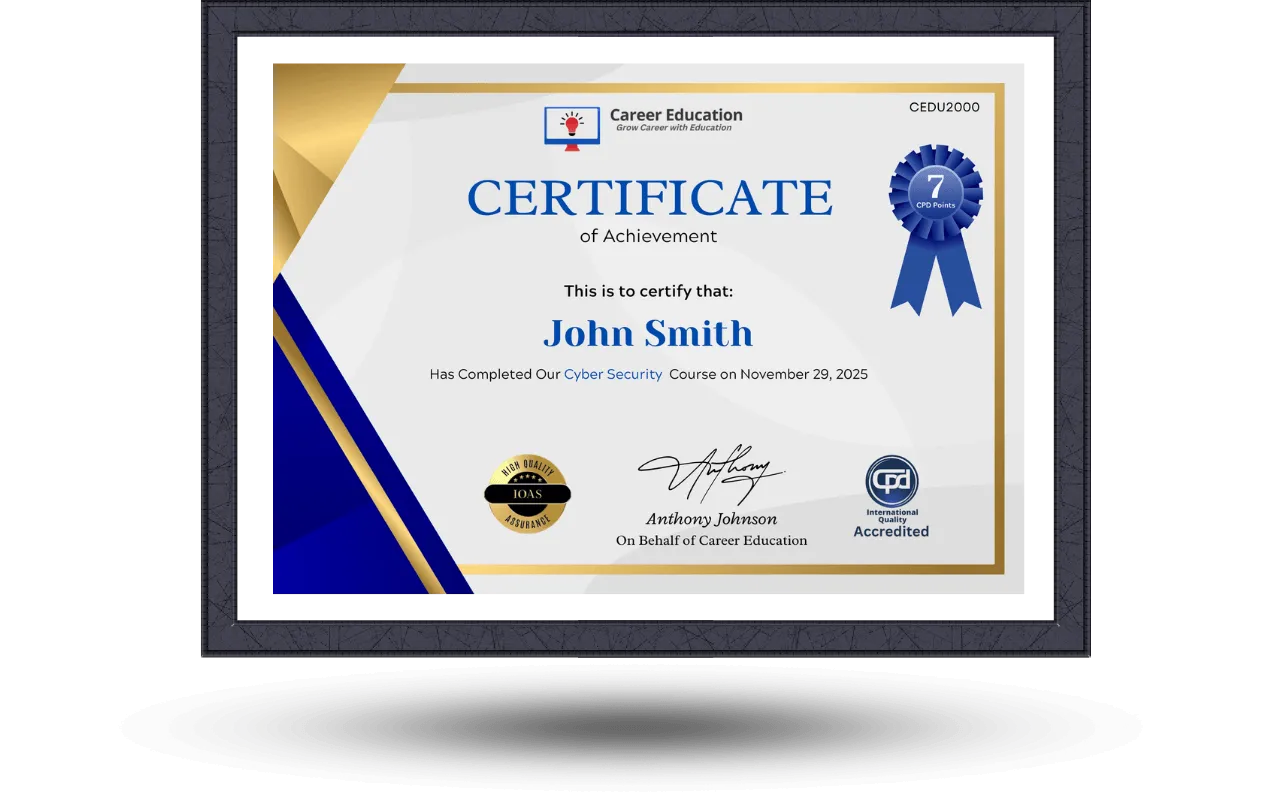
Upon completion of any course, all students are entitled to a CPD IQ Accredited e-certificate that will be issued by Career Education signifying the completion of your course.
After you complete the course and assignment, you will be eligible to order a free certificate accredited by CPD International Quality by completing the form below.
Hardcopy certificates and transcripts are also available for a small additional fee. More information is disclosed upon course completion.
Similar Courses




Frequently Asked Questions
The lifetime membership includes unlimited access to all courses, resources, and updates for a one-time fee.
You can purchase the membership directly from our website using a secure checkout process.
Yes, selected courses can be downloaded for offline access through our mobile app.
Yes, all future updates and new courses are included at no extra cost.
Yes, we offer a 30-day money-back guarantee if you are not satisfied with the membership.