Skip to content
94%
OFF

CBT for Managing Obsessive-Compulsive Disorder (OCD)

  • Lifetime Access
  • All Levels
  • PDF Certificate
£19.00 £296.00
14-Day Money-Back Guarantee

Learn With Confidence

IOAS High Quality Assurance
AoHT Member
Disability Confident Committed
CPD Accredited Provider
CPD International Quality
14 Days Money Back Guarantee
Lifetime Access
Incensu Registered
SSL Secure

Overview

Develop Evidence-Informed Skills with the CBT for Managing Obsessive-Compulsive Disorder (OCD) Course

Obsessive-Compulsive Disorder (OCD) is a complex mental health condition that can significantly affect an individual’s daily life, relationships, education, and work. Characterised by persistent intrusive thoughts (obsessions) and repetitive behaviours or mental rituals (compulsions), OCD often creates a cycle of anxiety and temporary relief that can become increasingly difficult to break without appropriate support. Modern psychological research has shown that Cognitive Behavioural Therapy (CBT), particularly when incorporating Exposure and Response Prevention (ERP), is one of the most widely recognised therapeutic approaches used in the treatment of OCD.

The CBT for Managing Obsessive-Compulsive Disorder (OCD) course is designed to provide learners with a comprehensive understanding of OCD, its psychological mechanisms, and the evidence-informed principles behind Cognitive Behavioural Therapy. Throughout this course, you’ll explore assessment methods, cognitive techniques, psychoeducation, behavioural interventions, relapse prevention, ethical practice, and professional responsibilities when supporting individuals affected by OCD.

Whether you are a counsellor, psychology student, mental health support worker, healthcare professional, educator, coach, or someone wishing to expand your understanding of OCD, this course offers valuable knowledge that can strengthen your professional practice and improve your confidence when supporting others.

Please note: This course is intended for educational and professional development purposes. It introduces CBT and ERP concepts but does not qualify learners to independently diagnose or treat OCD or practise as licensed Cognitive Behavioural Therapists.


Why Study CBT for Managing Obsessive-Compulsive Disorder (OCD)?

OCD affects people of all ages and backgrounds and is often misunderstood. Increasing awareness of the condition allows professionals to respond with empathy, reduce stigma, and support individuals more effectively within appropriate professional boundaries.

The CBT for Managing Obsessive-Compulsive Disorder (OCD) course provides practical insight into how evidence-informed CBT approaches are used to understand and support individuals living with OCD.

Throughout the programme, you’ll learn how to:

  • Understand the nature of OCD
  • Recognise common obsessions and compulsions
  • Explore CBT principles for OCD
  • Develop assessment and formulation skills
  • Apply psychoeducation effectively
  • Understand cognitive interventions
  • Learn the principles of Exposure and Response Prevention (ERP)
  • Explore relapse prevention strategies
  • Work ethically within professional boundaries
  • Support recovery-focused practice

These skills are valuable across healthcare, counselling, education, social care, community support, and wellbeing services.


Why Choose This Course?

The CBT for Managing Obsessive-Compulsive Disorder (OCD) course combines psychological theory with practical application, providing learners with a structured understanding of one of the most researched approaches to OCD support.

Rather than focusing solely on diagnosis or theory, this course explores how professionals can communicate effectively, educate clients, encourage resilience, and support recovery while maintaining ethical practice and recognising the importance of multidisciplinary care.

By completing this programme, you’ll strengthen your understanding of OCD while developing practical knowledge that can enhance your confidence in professional and supportive roles.


Course Curriculum

Module 1: Introduction to OCD

Begin by developing a strong understanding of Obsessive-Compulsive Disorder and its impact on daily life.

Topics include:

  • What is OCD?
  • Common misconceptions
  • Types of obsessions
  • Types of compulsions
  • The OCD cycle
  • Psychological and emotional impacts
  • Quality of life considerations
  • The importance of early recognition

This module establishes the foundation for understanding OCD from both psychological and practical perspectives.


Module 2: Principles of Cognitive Behavioural Therapy (CBT)

Explore the core principles of Cognitive Behavioural Therapy and how they relate to OCD.

You’ll examine:

  • Foundations of CBT
  • Thoughts, emotions, and behaviours
  • Cognitive models of OCD
  • Evidence-informed practice
  • Goal setting
  • Collaborative therapy principles
  • Person-centred care

This module explains how CBT helps individuals understand and modify unhelpful thinking and behavioural patterns associated with OCD.


Module 3: Assessment and Formulation

Effective support begins with understanding each individual’s unique experiences.

Topics include:

  • Assessment principles
  • Clinical interviewing concepts
  • Functional assessment
  • Identifying maintaining factors
  • Collaborative case formulation
  • Goal identification
  • Individualised support planning

You’ll learn how structured assessment contributes to informed and personalised care planning within professional practice.


Module 4: Psychoeducation for Clients

Helping individuals understand OCD is often an important step in the therapeutic process.

You’ll explore:

  • Explaining OCD clearly
  • Reducing stigma
  • Building awareness
  • Encouraging engagement
  • Understanding the treatment process
  • Supporting informed decision-making
  • Promoting realistic expectations

Effective psychoeducation can empower individuals to actively participate in their own recovery journey.


Module 5: Cognitive Techniques in OCD

OCD is often influenced by unhelpful interpretations of intrusive thoughts.

This module explores CBT-based cognitive approaches, including:

  • Automatic thoughts
  • Cognitive distortions
  • Challenging unhelpful beliefs
  • Cognitive restructuring
  • Balanced thinking
  • Developing psychological flexibility
  • Self-reflection techniques

You’ll gain insight into how cognitive interventions support healthier thinking patterns while reducing distress.


Module 6: Exposure and Response Prevention (ERP)

Exposure and Response Prevention (ERP) is widely recognised as a key component of CBT for OCD.

Topics include:

  • Principles of ERP
  • The rationale for exposure
  • Response prevention concepts
  • Graded exposure planning
  • Therapeutic pacing
  • Managing anxiety during treatment
  • Professional competence and supervision

This module introduces ERP in an educational context while emphasising that structured ERP interventions should be delivered only by appropriately trained professionals working within their competence and scope of practice.


Module 7: Behavioural Experiments and Ritual Prevention

Behavioural techniques can help individuals test beliefs and reduce reliance on compulsive behaviours.

You’ll examine:

  • Behavioural experiments
  • Reducing safety behaviours
  • Ritual prevention strategies
  • Building confidence
  • Behavioural activation
  • Goal progression
  • Supporting long-term behaviour change

This module demonstrates how behavioural principles contribute to recovery-focused practice.


Module 8: Relapse Prevention and Maintenance

Recovery is an ongoing process that benefits from long-term planning.

Topics include:

  • Maintaining progress
  • Recognising early warning signs
  • Developing relapse prevention plans
  • Building resilience
  • Healthy coping strategies
  • Self-monitoring
  • Long-term wellbeing
  • Continuing support

You’ll understand how relapse prevention contributes to sustainable recovery and improved quality of life.


Module 9: Special Considerations in OCD

OCD presents differently across individuals and populations.

This module explores:

  • OCD across the lifespan
  • Cultural considerations
  • Co-occurring mental health conditions
  • Family involvement
  • Individual differences
  • Trauma-informed awareness
  • Inclusive practice
  • Collaborative care

Understanding these factors helps professionals provide respectful, person-centred support.


Module 10: Ethical and Professional Practice

Conclude the course by examining the professional responsibilities involved in supporting individuals with OCD.

Topics include:

  • Ethical decision-making
  • Confidentiality
  • Professional boundaries
  • Safeguarding
  • Informed consent
  • Record keeping
  • Reflective practice
  • Continuing professional development

This module reinforces the importance of delivering support safely, ethically, and within appropriate professional and legal frameworks.


Skills You’ll Develop

By completing the CBT for Managing Obsessive-Compulsive Disorder (OCD) course, you’ll strengthen valuable professional competencies, including:

  • Understanding OCD
  • CBT knowledge
  • Psychoeducation skills
  • Active listening
  • Communication
  • Cognitive formulation awareness
  • Behavioural intervention awareness
  • Recovery-focused practice
  • Ethical decision-making
  • Professional boundaries
  • Reflective practice
  • Critical thinking
  • Emotional intelligence
  • Client-centred communication
  • Multidisciplinary collaboration

These transferable skills enhance professional practice across healthcare, education, social care, counselling support, and community wellbeing services.


Who Should Enrol?

The CBT for Managing Obsessive-Compulsive Disorder (OCD) course is suitable for:

  • Counsellors
  • Counselling students
  • Mental health support workers
  • Healthcare professionals
  • Nurses
  • Social workers
  • Psychology students
  • Wellbeing practitioners
  • Community support workers
  • Teachers and educators
  • Charity and voluntary sector professionals
  • Coaches and mentors
  • Family support workers
  • Care coordinators
  • Anyone interested in understanding OCD and CBT principles

No previous CBT qualification is required to benefit from the educational content, making this course suitable for both beginners and professionals seeking additional knowledge.


Career and Professional Benefits

The knowledge gained through the CBT for Managing Obsessive-Compulsive Disorder (OCD) course can support professional development in areas including:

  • Mental Health Support Services
  • Counselling Services
  • Healthcare Organisations
  • Community Wellbeing Programmes
  • Social Care Services
  • Educational Support Services
  • Employee Wellbeing Programmes
  • Youth Support Services
  • Family Support Services
  • Rehabilitation Services
  • Community Outreach
  • Charity Organisations
  • Residential Care
  • Public Health Initiatives
  • Wellbeing Coaching

The course also complements wider learning in psychology, counselling, healthcare, and mental health support.


Practical Learning for Compassionate, Recovery-Focused Support

The CBT for Managing Obsessive-Compulsive Disorder (OCD) course focuses on practical knowledge that can enhance your confidence when working alongside individuals affected by OCD.

Throughout the programme, you’ll learn how to:

  • Recognise OCD symptoms and patterns
  • Understand evidence-informed CBT concepts
  • Explain OCD using clear and supportive language
  • Appreciate the role of ERP within professional treatment
  • Encourage resilience and self-management
  • Promote recovery-focused conversations
  • Apply ethical principles consistently
  • Work effectively within multidisciplinary teams
  • Respect professional boundaries
  • Continue developing your skills through reflective practice

These practical capabilities contribute to more informed, compassionate, and person-centred support.


Why Understanding CBT and OCD Matters

OCD is often misunderstood, and misconceptions can delay appropriate support. Developing an evidence-informed understanding of the condition helps professionals communicate more effectively, reduce stigma, and contribute to supportive environments where individuals feel understood and respected.

The CBT for Managing Obsessive-Compulsive Disorder (OCD) course introduces the principles of CBT and ERP responsibly while emphasising the importance of professional competence, ethical practice, and collaboration with qualified mental health services when specialist treatment is required.

As awareness of mental health continues to grow across healthcare, education, workplaces, and community organisations, professionals with knowledge of OCD and trauma-informed communication are increasingly valued for their ability to provide compassionate, informed support.


Enrol Today and Strengthen Your Understanding of OCD Support

Supporting individuals affected by Obsessive-Compulsive Disorder requires empathy, knowledge, professionalism, and a commitment to evidence-informed practice. By understanding the principles of CBT, psychoeducation, behavioural approaches, and ethical care, you can contribute positively within your professional role while promoting hope, resilience, and recovery.

Enrol in the CBT for Managing Obsessive-Compulsive Disorder (OCD) course today and gain the practical knowledge, professional confidence, and evidence-informed understanding needed to support individuals living with OCD in a compassionate, ethical, and person-centred manner. Whether you’re beginning your journey in mental health, expanding your counselling knowledge, or strengthening your professional skills, this comprehensive course provides a valuable foundation for supporting wellbeing and long-term recovery.

 
£296.00 £19.00

Save Over 94% - Offer Ends soon

BUY NOW

14-Day Money-Back Guarantee

Course Modules

Course Content

Module 1_ Introduction to OCD

  • Lesson 1_ Introduction to OCD

Module 2_ Principles of Cognitive Behavioural Therapy (CBT)

Module 3_ Assessment and Formulation

Module 4_ Psychoeducation for Clients

Module 5_ Cognitive Techniques in OCD

Module 6_ Exposure and Response Prevention (ERP)

Module 7_ Behavioural Experiments and Ritual Prevention

Module 8_ Relapse Prevention and Maintenance

Module 9_ Special Considerations in OCD

Module 10_ Ethical and Professional Practice

What our students say

Excellent
4.9 average
158 Reviews

Taufiq Israil
Verified Customer

This course completely transformed how I approach design. The section on design systems was worth the price alone. I landed a Junior Designer role three weeks after finishing!

Andrew Osborne
Verified Customer

The courses provided a wide variety of complete program materials and exam mockups. Fantastic!

Gregory Holmes
Verified Customer

The range of courses offered is extensive and the quality of training is top notch, second to pretty perfect!

Zach Parks
Verified Customer

The course I completed was engaging, insightful, informative! The instructor kept me motivated throughout.

Earn an Accredited Certificate

Earn an Accredited Certificate

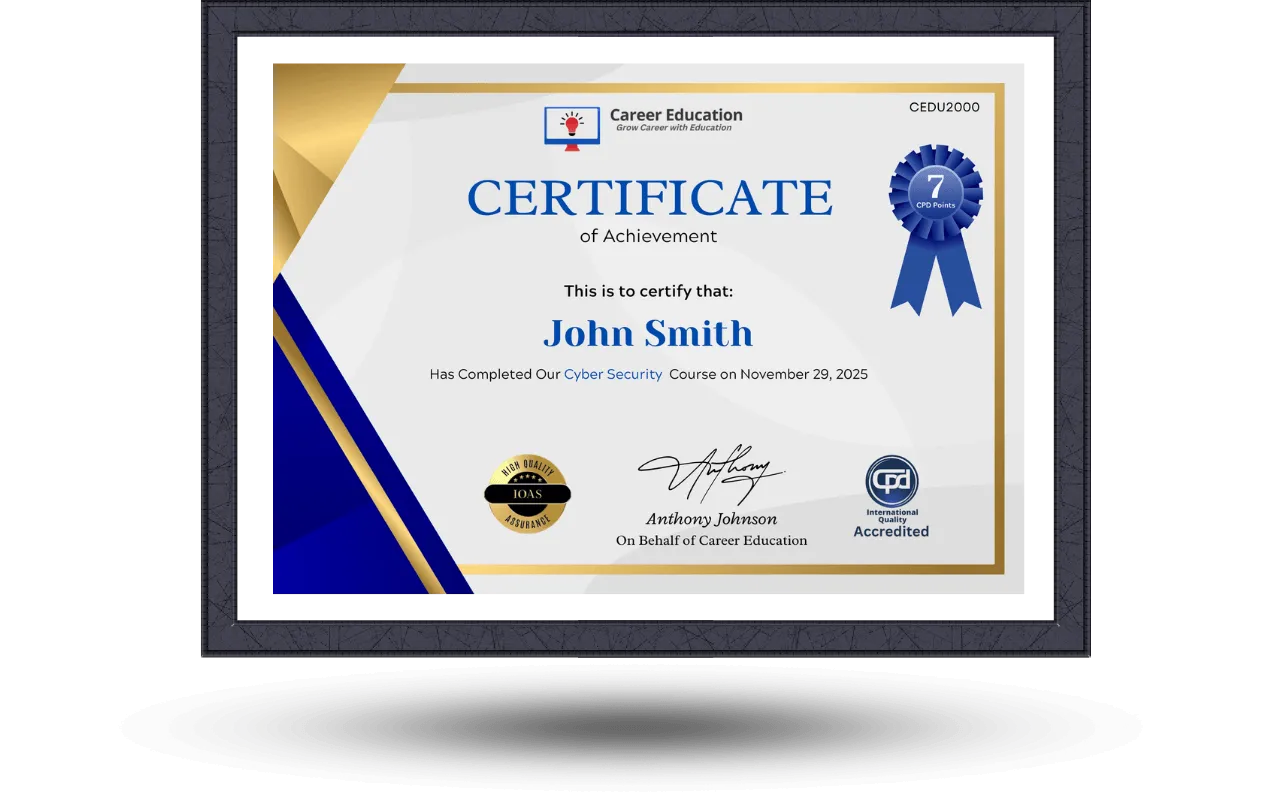
Upon completion of the course, an e-certificate will be downloadable from Khan Education signifying the completion of your course. But, the course is CPD Accredited and after you complete the assignment, you will be eligible to order a certificate accredited by CPD International Quality for £5.99 only. If you want a hardcopy certificate accredited by CPD IQ, you can get it for only £15.99.

Get your Certificate

Frequently Asked Questions

The lifetime membership includes unlimited access to all courses, resources, and updates for a one-time fee.

You can purchase the membership directly from our website using a secure checkout process.

Yes, selected courses can be downloaded for offline access through our mobile app.

Yes, all future updates and new courses are included at no extra cost.

Yes, we offer a 30-day money-back guarantee if you are not satisfied with the membership.