
94%
OFF
OFF
Building Strong Stakeholder Relationships
- Lifetime Access
- All Levels
- PDF Certificate
£296
£19
14-Day Money-Back Guarantee
Learn With Confidence







Building Strong Stakeholder Relationships
Strong stakeholder relationships are at the heart of successful projects, effective organisations, and sustainable business growth. Whether you work with clients, colleagues, suppliers, community representatives, managers, partners, or external organisations, your ability to understand their needs and communicate effectively can have a direct impact on outcomes.
Building Strong Stakeholder Relationships is designed to help learners develop practical skills for identifying stakeholders, communicating with different audiences, building trust, encouraging meaningful engagement, and creating productive partnerships. The course takes an outcome-focused approach, helping you turn stakeholder management principles into practical workplace skills.
Throughout the course, you will explore how relationships are developed, maintained, and strengthened over time. You will also learn how to manage expectations, work collaboratively, and communicate with greater cultural awareness. By completing the course, you can develop a more structured approach to stakeholder relationships and become better prepared to handle different professional interactions.
Why Building Strong Stakeholder Relationships Matters
Stakeholders can influence the success of a project, organisation, or initiative in many different ways. When stakeholder relationships are poorly managed, misunderstandings, conflicting expectations, communication gaps, and reduced cooperation can arise.
On the other hand, strong stakeholder relationships can support better collaboration, clearer communication, stronger trust, and more effective decision-making.
Building Strong Stakeholder Relationships helps learners understand that stakeholder management is not simply about communicating information. It is about understanding people, recognising different priorities, creating mutual value, and developing relationships that support shared objectives.
The skills covered in this course can be valuable for professionals who regularly interact with internal and external stakeholders. They can also support learners who want to strengthen their communication, relationship-building, collaboration, and leadership capabilities.
What You Will Learn
By completing Building Strong Stakeholder Relationships, you will develop knowledge and practical understanding of how to:
-
Identify and understand different types of stakeholders
-
Recognise stakeholder needs, interests, and expectations
-
Choose appropriate communication strategies for different audiences
-
Build professional trust and credibility
-
Encourage meaningful stakeholder engagement
-
Develop collaborative and productive partnerships
-
Manage expectations clearly and professionally
-
Approach differences with cultural sensitivity
-
Strengthen long-term professional relationships
-
Support more effective collaboration and workplace outcomes
The course is structured into seven focused modules, allowing you to build your understanding progressively.
Module 1: Understanding Stakeholders
The first step in effective stakeholder management is understanding who your stakeholders are and why they matter.
In this module, you will explore the concept of stakeholders and examine the different groups and individuals who may have an interest in, influence over, or impact on an organisation, project, or initiative.
You will learn how to consider stakeholder priorities, interests, influence, and expectations. Developing this understanding can help you determine how different stakeholders should be approached and engaged.
By the end of this module, you can develop a clearer stakeholder perspective and make more informed decisions about relationship management.
Module 2: Communication Strategies
Effective stakeholder relationships depend heavily on clear and appropriate communication. Different stakeholders may have different communication preferences, levels of knowledge, priorities, and expectations.
This module focuses on communication strategies that can help you interact with stakeholders more effectively. You will explore how to communicate information clearly, listen actively, adapt your approach, and reduce the likelihood of misunderstandings.
You will gain a stronger understanding of how communication can be adapted according to the stakeholder, situation, and desired outcome.
The result is a more flexible communication approach that can support productive professional interactions.
Module 3: Building Trust
Trust provides an important foundation for strong and sustainable stakeholder relationships. Without trust, communication can become difficult and collaboration may be limited.
In this module, you will explore approaches to establishing credibility, demonstrating reliability, communicating transparently, and maintaining professional consistency.
You will learn why trust develops over time and how everyday actions can influence stakeholder confidence. You will also consider how openness, honesty, accountability, and respectful communication can contribute to stronger relationships.
By applying these principles, you can work towards creating stakeholder relationships built on greater confidence and mutual respect.
Module 4: Stakeholder Engagement
Effective engagement goes beyond simply providing stakeholders with information. It involves creating opportunities for appropriate participation, listening to perspectives, responding to concerns, and maintaining meaningful communication.
This module explores the principles of stakeholder engagement and how engagement can contribute to better outcomes.
You will learn how to approach stakeholders according to their needs and level of involvement. You will also develop a better understanding of how consistent engagement can help identify concerns, encourage participation, and maintain positive working relationships.
The knowledge gained in this module can help you take a more proactive approach to stakeholder management.
Module 5: Collaborative Partnerships
Many professional goals cannot be achieved by individuals or organisations working alone. Successful outcomes often depend on collaboration between different people, teams, organisations, and professional groups.
This module focuses on developing collaborative partnerships that are based on shared objectives and mutual value.
You will explore how to establish productive working relationships, encourage cooperation, recognise different contributions, and work towards common goals. You will also develop an understanding of how effective collaboration can strengthen stakeholder relationships and create opportunities for better results.
The outcome is a more partnership-focused approach to working with stakeholders.
Module 6: Managing Expectations
Different stakeholders may have different priorities, requirements, assumptions, and desired outcomes. If expectations are unclear or unrealistic, relationships can become strained.
This module examines practical approaches to managing stakeholder expectations effectively.
You will learn the importance of setting clear expectations, communicating boundaries, providing appropriate updates, and addressing changes professionally. You will also explore how proactive communication can help prevent avoidable misunderstandings.
By developing these skills, you can become better equipped to create realistic expectations and maintain constructive relationships when circumstances change.
Module 7: Cultural Sensitivity
Modern workplaces often involve people from different cultural, professional, and social backgrounds. Understanding and respecting these differences can help create more inclusive and effective stakeholder relationships.
The final module introduces the importance of cultural sensitivity when communicating and collaborating with stakeholders.
You will explore how cultural differences can influence communication styles, expectations, perspectives, and professional interactions. You will also learn why avoiding assumptions and approaching differences with respect can support stronger relationships.
This module can help you develop a more thoughtful and adaptable approach when working with diverse stakeholder groups.
Practical Outcomes of the Course
The value of Building Strong Stakeholder Relationships lies in its practical application. Rather than focusing only on theoretical concepts, the course helps you develop skills that can be applied across a range of professional situations.
After completing the course, you can approach stakeholder interactions with greater structure and awareness. You will be better positioned to identify important stakeholders, understand what matters to them, select suitable communication approaches, and develop relationships based on trust and mutual respect.
You can also use the knowledge gained to support more effective collaboration. Whether you are coordinating a project, communicating with clients, working with suppliers, supporting colleagues, or developing professional partnerships, stakeholder relationship skills can contribute to smoother and more productive interactions.
Who Can Benefit from Building Strong Stakeholder Relationships?
Building Strong Stakeholder Relationships can be useful for a wide range of learners and professionals, including:
-
Project and programme professionals
-
Team leaders and managers
-
Business professionals
-
Client-facing employees
-
Customer service professionals
-
Consultants and advisers
-
Entrepreneurs and business owners
-
Partnership and relationship managers
-
Employees involved in cross-functional projects
-
Professionals seeking to improve communication and collaboration skills
The course can also benefit learners who want to develop transferable professional skills that can be applied across different industries and workplace environments.
Develop More Effective Professional Relationships
Strong stakeholder relationships do not happen automatically. They require understanding, communication, consistency, trust, and a willingness to work collaboratively.
Building Strong Stakeholder Relationships provides a structured learning experience covering these essential areas. From understanding stakeholder needs to developing culturally sensitive communication approaches, each module contributes to a broader understanding of effective relationship management.
By completing the course, you can strengthen your ability to communicate with different stakeholders, manage expectations, encourage engagement, and contribute to productive partnerships.
These skills can support better workplace communication, stronger collaboration, improved stakeholder experiences, and more positive professional outcomes.
Take the Next Step
Developing effective stakeholder relationships is a valuable professional capability that can make a difference across projects, teams, organisations, and partnerships.
With Building Strong Stakeholder Relationships, you can develop practical knowledge for understanding stakeholders, communicating with confidence, building trust, encouraging engagement, managing expectations, and collaborating more effectively.
If you want to strengthen your professional relationship-building skills and develop a more strategic approach to stakeholder management, this course provides a focused pathway to build the knowledge and capabilities you need.
Course Modules
Course Content
Module 1_ Understanding Stakeholders
-
Lesson 1_ Understanding Stakeholders
Module 2_ Communication Strategies
Module 3_ Building Trust
Module 4_ Stakeholder Engagement
Module 5_ Collaborative Partnerships
Module 6_ Managing Expectations
Module 7_ Cultural Sensitivity
What our students say
Excellent
4.9 average
158 Reviews

Earn an Accredited Certificate
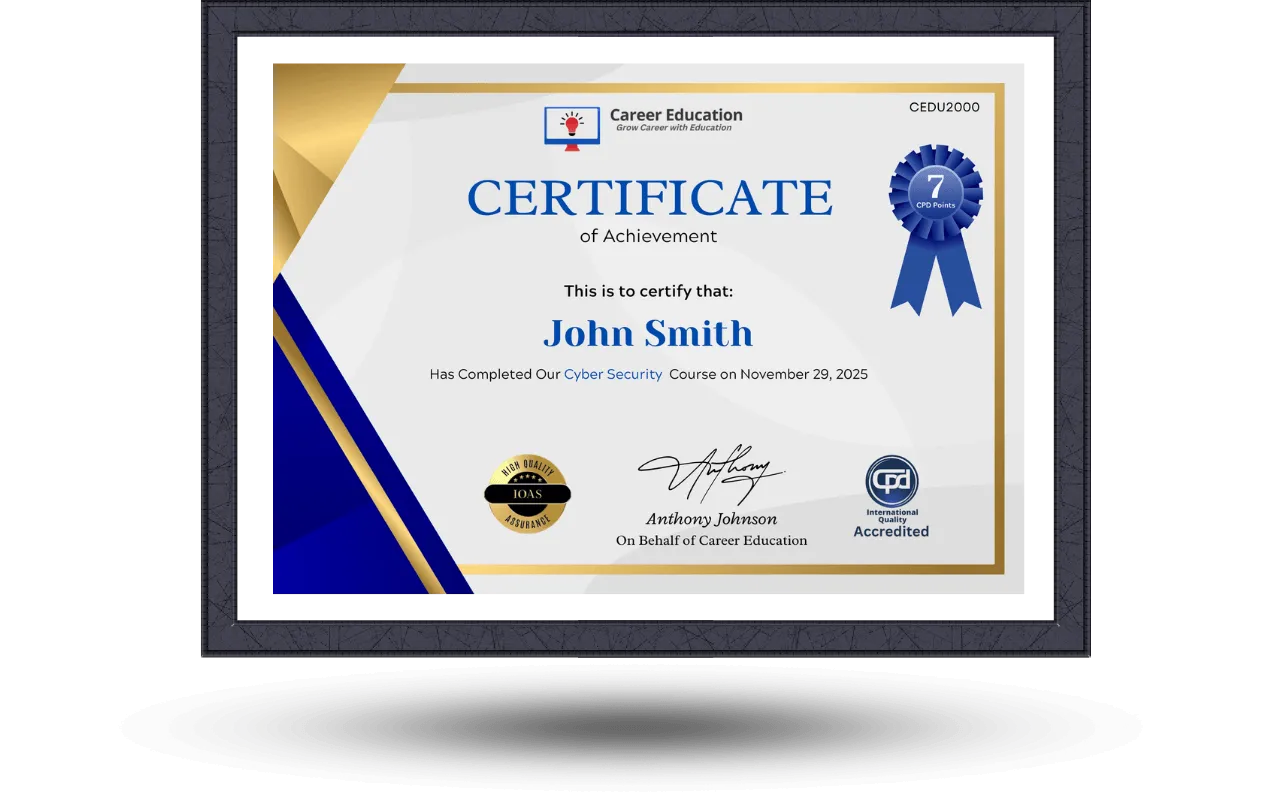
Upon completion of any course, all students are entitled to a CPD IQ Accredited e-certificate that will be issued by Career Education signifying the completion of your course.
After you complete the course and assignment, you will be eligible to order a free certificate accredited by CPD International Quality by completing the form below.
Hardcopy certificates and transcripts are also available for a small additional fee. More information is disclosed upon course completion.
Similar Courses


Frequently Asked Questions
The lifetime membership includes unlimited access to all courses, resources, and updates for a one-time fee.
You can purchase the membership directly from our website using a secure checkout process.
Yes, selected courses can be downloaded for offline access through our mobile app.
Yes, all future updates and new courses are included at no extra cost.
Yes, we offer a 30-day money-back guarantee if you are not satisfied with the membership.