OFF
Biosafety Hazardous Waste Handling Essentials
- Lifetime Access
- All Levels
- PDF Certificate
Learn With Confidence









Overview
# Biosafety Hazardous Waste Handling Essentials
## Build Essential Knowledge for Safer Hazardous Waste Segregation, Storage, Handling and Emergency Response
Biosafety is an essential part of protecting workers, communities and the environment wherever biological materials and hazardous waste are present. Laboratories, healthcare facilities, research environments, pharmaceutical organisations and other workplaces may generate waste that requires careful identification, segregation, storage, transport, treatment and disposal.
Poorly managed hazardous waste can create unnecessary risks, including exposure to biological agents, contamination, injuries, environmental pollution and regulatory non-compliance. Safe waste management therefore requires more than simply placing waste into a container. Workers need to understand what types of waste they may encounter, how waste should be separated at the source, how storage areas should be managed and how spills or emergencies should be addressed.
**Biosafety Hazardous Waste Handling Essentials** is designed to provide practical, outcome-focused knowledge for individuals who work with or around hazardous and potentially infectious waste. The course explores biosafety fundamentals, hazardous waste categories, waste minimisation, source segregation, storage, handling and transport, treatment and disposal, and emergency response and spill management.
The course focuses on developing awareness and responsible workplace practices. It helps learners understand why different waste streams require different controls and why following established organisational procedures and applicable regulations is essential.
Whether you work in a laboratory, healthcare setting, research facility, pharmaceutical environment or another workplace that generates hazardous biological waste, **Biosafety Hazardous Waste Handling Essentials** can help you strengthen your understanding of safe waste-management principles.
> **Important:** This course provides general educational information and does not replace site-specific procedures, competent-person training, regulatory requirements, specialist hazardous-waste training or professional advice. Waste must be managed according to the applicable laws, regulations, permits, employer procedures and requirements in the relevant jurisdiction.
# Why Biosafety Hazardous Waste Management Matters
Hazardous waste can present different types of risks depending on its source and characteristics.
Biological waste may contain microorganisms, contaminated materials or other potentially infectious substances. Sharps can create puncture injuries. Chemical waste may introduce toxic or reactive hazards. Some waste streams may involve multiple hazards simultaneously.
If waste is not properly identified and segregated, workers can be exposed to risks that could otherwise have been controlled.
Effective waste management begins at the point where waste is generated.
**Biosafety Hazardous Waste Handling Essentials** helps learners understand this process from initial identification through to final treatment or disposal.
# What You Will Learn
The course consists of seven structured modules designed to develop a practical foundation in biosafety hazardous-waste management.
## Module 1 – Introduction to Biosafety and Hazardous Waste
The course begins with **Introduction to Biosafety and Hazardous Waste**.
You will explore the relationship between biosafety and hazardous-waste management and understand why appropriate controls are important in workplaces handling biological materials.
The module introduces the concept of hazardous waste and explains why different waste streams require different management approaches.
You will consider the potential risks associated with poorly controlled waste, including:
* Biological exposure.
* Contamination.
* Sharps injuries.
* Chemical hazards.
* Environmental pollution.
* Uncontrolled releases.
* Cross-contamination.
The module also introduces the importance of following established biosafety procedures and recognising the responsibilities of workers, supervisors and organisations.
By completing this module, you will have a stronger foundation for understanding why hazardous waste must be managed systematically.
## Module 2 – Types of Hazardous Waste in Biosafety
Not all hazardous waste is the same.
In **Types of Hazardous Waste in Biosafety**, you will explore different categories of waste that may be encountered in laboratories, healthcare facilities, research environments and other biosafety-related workplaces.
Depending on the workplace, waste may include potentially infectious materials, contaminated laboratory items, sharps, pathological materials, cultures or other regulated waste streams.
You will learn why correct identification is essential before waste is handled, stored or transported.
The module also highlights the importance of understanding your organisation’s waste classification system and applicable regulatory requirements.
Correct classification helps determine which container, label, storage arrangement, treatment method and disposal route may be appropriate.
By completing this module, you will be better prepared to recognise different hazardous-waste categories and understand why classification matters.
## Module 3 – Hazardous Waste Minimization and Source Segregation
Effective waste management begins before waste reaches a storage area.
In **Hazardous Waste Minimization and Source Segregation**, you will explore how organisations can reduce unnecessary hazardous waste and separate different waste streams at the point where waste is generated.
Waste minimisation can help organisations reduce environmental impact, improve efficiency and lower the volume of material requiring specialist treatment.
Source segregation is equally important.
When incompatible or different waste streams are mixed together, handling and disposal can become more difficult and potentially more hazardous.
You will explore the importance of using appropriate containers and following workplace procedures for separating waste.
The module also highlights why workers should avoid placing waste into an unsuitable container simply because it is convenient.
By completing this module, you will understand how source segregation and waste minimisation can support safer and more efficient waste management.
## Module 4 – Storage of Hazardous Waste
Temporary storage is an important stage in the waste-management process.
**Storage of Hazardous Waste** explores the principles involved in maintaining hazardous waste safely before it is collected, treated or disposed of.
You will consider factors such as:
* Appropriate containers.
* Labelling.
* Container condition.
* Restricted access.
* Storage-area organisation.
* Compatibility.
* Spill prevention.
* Environmental conditions.
* Inspection requirements.
The module emphasises the importance of following workplace procedures and applicable regulations when determining storage arrangements.
You will also explore why damaged, leaking or improperly closed containers should be addressed promptly through established procedures.
A well-managed storage area can help reduce accidental exposure, contamination and unauthorised access.
By completing this module, you will develop greater awareness of how proper storage contributes to overall hazardous-waste safety.
## Module 5 – Handling and Transport of Hazardous Waste
Moving hazardous waste from one location to another requires careful control.
In **Handling and Transport of Hazardous Waste**, you will explore safe principles for managing waste during internal movement and authorised transportation.
You will consider the importance of using appropriate containers, handling methods and protective equipment.
The module highlights why waste containers should be inspected before movement and why workers should follow designated routes and procedures where applicable.
You will also learn why hazardous waste should never be handled casually or transported using inappropriate equipment.
Transport requirements can vary depending on the type of waste and jurisdiction, so workers must follow current organisational and regulatory requirements.
By completing this module, you will have a stronger understanding of the precautions involved in moving hazardous waste safely.
## Module 6 – Treatment and Disposal Methods
The final destination of hazardous waste must be carefully controlled.
In **Treatment and Disposal Methods**, you will explore the general principles behind hazardous-waste treatment and disposal.
Depending on the type of waste, treatment methods may involve approved processes designed to reduce biological hazards or otherwise make waste suitable for its permitted disposal route.
The module helps learners understand why waste should be treated or disposed of through authorised methods rather than ordinary waste channels.
You will also explore why different waste streams require different treatment approaches.
The correct method depends on factors such as the waste type, applicable regulations, facility capabilities and environmental requirements.
By completing this module, you will better understand why treatment and disposal must be planned and controlled rather than improvised.
## Module 7 – Emergency Response and Spill Management
Even well-managed workplaces need to prepare for unexpected incidents.
**Emergency Response and Spill Management** focuses on the principles workers should understand when hazardous waste spills, leaks or other incidents occur.
You will explore the importance of responding according to established emergency procedures rather than attempting an uncontrolled cleanup.
Key considerations may include:
* Protecting people from exposure.
* Restricting access to the affected area.
* Notifying appropriate personnel.
* Using suitable PPE.
* Following approved spill-response procedures.
* Preventing further spread.
* Decontaminating affected areas using approved methods.
* Reporting and documenting the incident.
The module reinforces the importance of knowing your role and staying within the limits of your training.
By completing this module, you will have greater awareness of how appropriate emergency planning can reduce the impact of hazardous-waste incidents.
# Practical Outcomes of the Course
The goal of **Biosafety Hazardous Waste Handling Essentials** is to help learners develop practical knowledge that can support safer waste-management practices.
After completing the course, you will be better prepared to:
* Understand basic biosafety principles.
* Recognise why hazardous waste requires controlled management.
* Identify common categories of biosafety-related hazardous waste.
* Understand the importance of waste classification.
* Recognise potential biological and physical hazards.
* Understand waste minimisation principles.
* Apply the concept of source segregation.
* Recognise the importance of appropriate waste containers.
* Understand basic hazardous-waste storage considerations.
* Recognise why labelling and controlled access matter.
* Identify potential storage hazards.
* Understand safe handling principles.
* Appreciate the importance of appropriate PPE.
* Understand basic internal waste-transport considerations.
* Recognise the importance of authorised disposal routes.
* Understand general treatment and disposal principles.
* Respond more appropriately to spills and waste-related emergencies.
* Understand the importance of reporting incidents.
* Follow established organisational procedures more effectively.
* Contribute to a stronger biosafety culture.
# Who Is This Course For?
**Biosafety Hazardous Waste Handling Essentials** can be valuable for individuals who work with hazardous or potentially infectious waste.
It may be particularly relevant to:
* Laboratory workers.
* Healthcare workers.
* Research personnel.
* Pharmaceutical employees.
* Biomedical staff.
* Laboratory technicians.
* Cleaning and environmental-service personnel.
* Waste-management workers.
* Facilities teams.
* Biosafety personnel.
* Health and safety professionals.
* Supervisors and managers.
* University and research-facility employees.
* Employees responsible for workplace waste procedures.
The course can also provide useful general awareness for organisations seeking to strengthen their hazardous-waste safety culture.
# Understand Hazardous Waste from Generation to Disposal
Safe waste management involves a chain of activities.
Waste needs to be identified when generated, separated appropriately, placed into suitable containers, stored safely, transported using appropriate procedures and ultimately treated or disposed of through an authorised route.
A failure at any stage can create additional risks.
**Biosafety Hazardous Waste Handling Essentials** provides learners with an overview of this complete process.
# Improve Source Segregation
One of the most important principles in hazardous-waste management is separating waste correctly at the point of generation.
Mixing incompatible waste streams can create additional hazards and make treatment or disposal more difficult.
By understanding the purpose of source segregation, workers can make safer decisions about where different types of waste belong.
# Strengthen Storage Awareness
Hazardous-waste storage areas should be managed carefully.
Containers need to be appropriate for their contents and maintained in suitable condition.
Labelling, access control and regular inspection can help organisations identify problems before they become serious incidents.
The course helps learners understand these basic storage considerations.
# Reduce Unnecessary Waste
Waste minimisation is not simply an environmental concept.
Reducing unnecessary hazardous waste can also help organisations improve efficiency and reduce the amount of material requiring specialised handling and disposal.
The course explores how thoughtful processes and source segregation can support waste reduction.
# Handle Waste Responsibly
Hazardous waste should never be treated as ordinary rubbish.
Workers need to understand the risks associated with the material they are handling and follow the appropriate procedures.
The course develops awareness of why suitable containers, PPE, handling methods and transport procedures matter.
# Understand Treatment and Disposal
Different waste streams require different treatment and disposal routes.
What is appropriate for one type of waste may be inappropriate for another.
The course helps learners understand why treatment and disposal decisions should be based on waste classification, applicable regulations and authorised procedures.
# Prepare for Spills and Emergencies
A spill can quickly turn into a larger incident if it is not controlled appropriately.
Workers should know how to raise an alarm, restrict access and notify the appropriate personnel according to workplace procedures.
The course helps learners understand the importance of emergency planning without encouraging workers to undertake activities beyond their training.
# Support a Stronger Biosafety Culture
Biosafety is a shared responsibility.
Everyone who generates, handles, stores or works near hazardous waste can contribute to safer operations.
Consistent training, communication, reporting and adherence to procedures can help build a workplace where safe waste management becomes part of everyday practice.
# Protect People and the Environment
Effective hazardous-waste management protects more than individual workers.
It can also help protect colleagues, visitors, surrounding communities and the environment from unnecessary exposure and contamination.
Proper segregation, storage, transport, treatment and disposal all contribute to this broader objective.
# Build Confidence Through Knowledge
Workers are more likely to follow safety procedures when they understand their purpose.
Learning why waste must be segregated, why containers need appropriate controls and why spills require a structured response can make workplace procedures more meaningful.
**Biosafety Hazardous Waste Handling Essentials** provides the knowledge foundation needed to support this understanding.
# Take the Next Step Towards Safer Hazardous-Waste Management
Hazardous waste management is an essential component of effective biosafety.
From the moment waste is generated to its final treatment or disposal, each stage requires appropriate controls, careful decision-making and compliance with relevant requirements.
**Biosafety Hazardous Waste Handling Essentials** provides a structured learning experience covering biosafety fundamentals, hazardous-waste types, minimisation and source segregation, storage, handling and transport, treatment and disposal, and emergency spill management.
By completing the course, learners can develop a stronger understanding of how hazardous waste should be managed and why consistent procedures matter.
Whether you work in a laboratory, healthcare environment, research facility, pharmaceutical organisation or another setting involving hazardous biological waste, this course can help strengthen your awareness and support safer workplace practices.
**Start Biosafety Hazardous Waste Handling Essentials today and develop the knowledge to recognise hazardous waste, support effective segregation and storage, follow responsible handling procedures, understand disposal principles and respond more appropriately to waste-related emergencies.**
Course Modules
Course Content
Module 1_ Introduction to Biosafety and Hazardous Waste
-
Lesson 1_ Introduction to Biosafety and Hazardous Waste
Module 2_ Types of Hazardous Waste in Biosafety
Module 3_ Hazardous Waste Minimization and Source Segregation
Module 4_ Storage of Hazardous Waste
Module 5_ Handling and Transport of Hazardous Waste
Module 6_ Treatment and Disposal Methods
Module 7_ Emergency Response and Spill Management
What our students say

Earn an Accredited Certificate
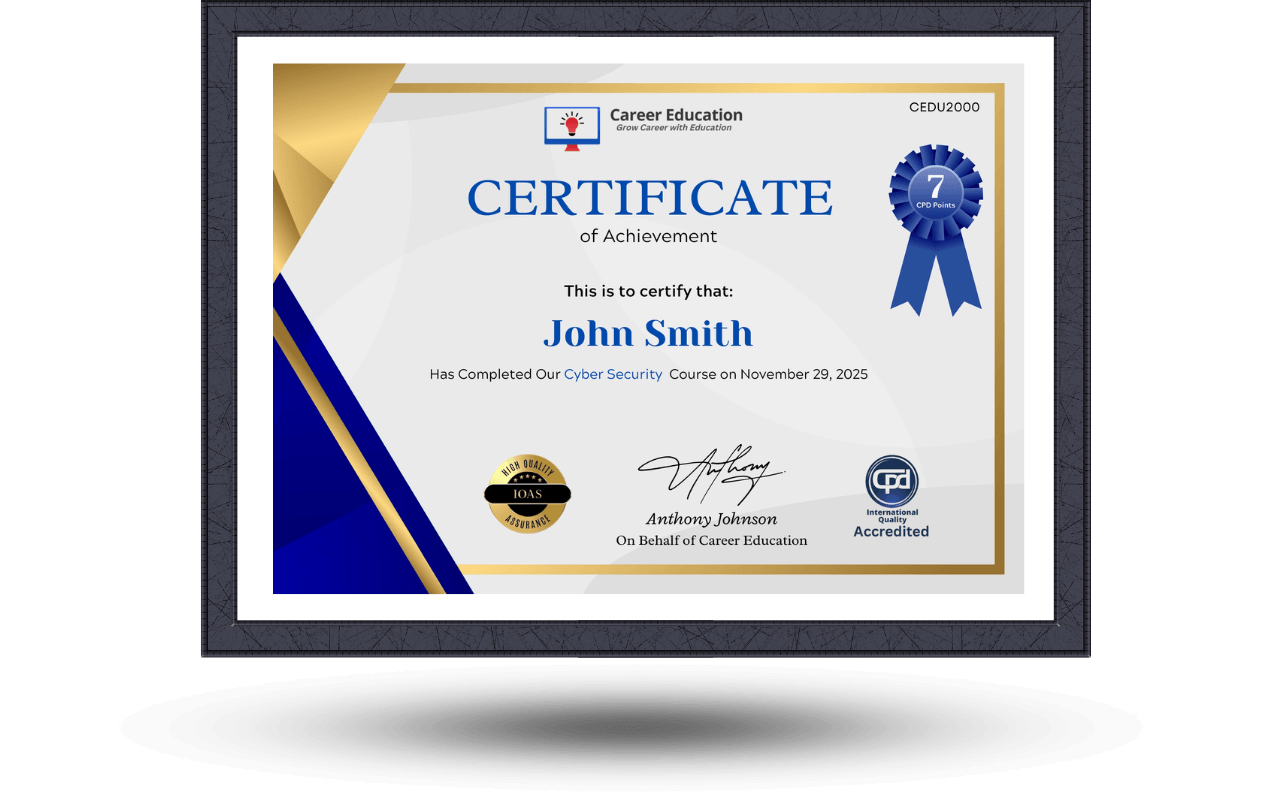
Upon completion of the course, an e-certificate will be downloadable from Khan Education signifying the completion of your course. But, the course is CPD Accredited and after you complete the assignment, you will be eligible to order a certificate accredited by CPD International Quality for £5.99 only. If you want a hardcopy certificate accredited by CPD IQ, you can get it for only £15.99.
Get your CertificateSimilar Courses