
OFF
Autism Awareness and Understanding
- Lifetime Access
- All Levels
- PDF Certificate
Learn With Confidence








Overview
Develop the Knowledge and Skills to Support Autistic Individuals with the Autism Awareness and Understanding Course
Autism is a diverse neurodevelopmental condition that affects how individuals communicate, process information, experience the world, and interact with others. Every autistic person has unique strengths, preferences, challenges, and support needs. Developing a deeper understanding of autism helps create more inclusive environments where individuals are respected, valued, and supported throughout their lives.
The Autism Awareness and Understanding course provides a comprehensive exploration of autism, focusing on sensory processing, communication, emotional regulation, education, independence, co-occurring conditions, interventions, and lifelong support. Designed for educators, healthcare professionals, carers, employers, support workers, families, and anyone interested in developing their understanding of autism, this course offers practical knowledge that can be applied in everyday situations.
Through this course, learners will gain insight into the experiences of autistic individuals and develop the confidence to provide more inclusive and person-centred support. Rather than viewing autism only through challenges, this programme explores autism from a balanced perspective by recognising individual differences, abilities, strengths, and the importance of acceptance.
Whether you work in education, healthcare, social care, community services, or simply want to improve your awareness, the Autism Awareness and Understanding course provides valuable knowledge to help you create supportive and accessible environments.
Why Study Autism Awareness and Understanding?
Greater awareness and understanding of autism are essential for building inclusive schools, workplaces, healthcare services, and communities. Many barriers faced by autistic individuals come from misunderstanding, lack of awareness, or environments that do not accommodate different ways of communicating and processing information.
The Autism Awareness and Understanding course helps learners explore autism in a practical and respectful way while developing skills to better understand and support autistic individuals.
Throughout this course, you will learn how to:
- Understand autism and neurodiversity
- Recognise sensory processing differences
- Support effective communication
- Understand emotional regulation needs
- Promote inclusion in education
- Encourage independence in daily life
- Recognise co-occurring conditions
- Explore therapeutic approaches and interventions
- Support advocacy and lifelong inclusion
These skills are valuable for anyone working with or supporting autistic individuals.
Why Choose This Course?
The Autism Awareness and Understanding course combines essential knowledge with practical strategies to help learners develop a deeper understanding of autism and inclusive support.
This course goes beyond basic awareness by exploring how autism can affect different areas of life, including sensory experiences, communication, learning, relationships, independence, and wellbeing.
Each module builds your knowledge progressively, helping you understand the experiences of autistic individuals and how environments, communication styles, and support approaches can be adapted to promote inclusion.
Course Curriculum
Module 1: Introduction to Autism
Begin your learning journey by exploring the foundations of autism and understanding autism as a spectrum of individual experiences.
Topics include:
- What is autism?
- Autism as a neurodevelopmental difference
- The autism spectrum
- Common characteristics of autism
- Strengths and abilities of autistic individuals
- Different experiences of autism
- Autism myths and misconceptions
- The importance of acceptance and inclusion
This module provides the essential foundation needed to understand autism from an informed and respectful perspective.
Module 2: Sensory Processing Basics
Sensory processing plays an important role in how autistic individuals experience their environment.
You will explore:
- What is sensory processing?
- How the brain processes sensory information
- The different sensory systems
- Sensory preferences and differences
- How sensory processing affects daily experiences
- Understanding individual sensory needs
- Creating supportive environments
This module helps learners understand why sensory experiences can influence behaviour, communication, learning, and comfort.
Module 3: Sensory Sensitivities
Autistic individuals may experience sensory information differently, with some being more sensitive or less sensitive to certain sensations.
Topics include:
- Sensory sensitivities
- Sensory overload
- Sensory seeking behaviours
- Environmental triggers
- Recognising sensory needs
- Supporting sensory regulation
- Making environments more accessible
- Practical strategies for daily support
By understanding sensory sensitivities, learners can develop approaches that reduce barriers and improve wellbeing.
Module 4: Autism and Communication
Communication can vary greatly among autistic individuals. Understanding different communication styles is essential for providing effective support.
This module explores:
- Communication differences
- Verbal and non-verbal communication
- Alternative communication methods
- Social communication
- Supporting understanding
- Encouraging meaningful interaction
- Communication challenges and solutions
- Respecting individual communication preferences
You will learn how adapting communication approaches can strengthen relationships and promote inclusion.
Module 5: Emotional Regulation and Behaviour
Understanding emotions and behaviour is an important part of supporting autistic individuals.
Topics include:
- Emotional regulation
- Understanding behaviour as communication
- Stress responses
- Recognising triggers
- Supporting emotional wellbeing
- Developing calming strategies
- Positive support approaches
- Building confidence and independence
This module helps learners understand behaviour in context and respond with empathy and appropriate support.
Module 6: Autism in Education
Educational environments play a significant role in supporting autistic learners.
You will explore:
- Autism and learning differences
- Inclusive education principles
- Classroom adaptations
- Supporting communication in education
- Sensory-friendly learning spaces
- Individual support strategies
- Working with families and professionals
- Encouraging participation and achievement
This module provides valuable knowledge for teachers, teaching assistants, and education professionals.
Module 7: Daily Life and Independence
Supporting autistic individuals to develop independence is an important part of lifelong wellbeing.
Topics include:
- Daily living skills
- Developing independence
- Routine and structure
- Supporting decision-making
- Building confidence
- Community participation
- Workplace independence
- Adapting support across life stages
You will learn how to encourage autonomy while providing appropriate support when needed.
Module 8: Co-occurring Conditions
Some autistic individuals may experience additional conditions that influence their needs and support requirements.
This module explores:
- Understanding co-occurring conditions
- Mental health considerations
- Learning differences
- Attention-related conditions
- Physical health considerations
- Recognising additional support needs
- Coordinated support approaches
Understanding these factors helps learners provide more effective and personalised support.
Module 9: Therapy and Interventions
Different approaches may be used to support autistic individuals depending on their personal goals and needs.
Topics include:
- Overview of support approaches
- Communication-based interventions
- Educational approaches
- Behavioural support strategies
- Occupational support
- Skill development approaches
- Person-centred intervention planning
- Importance of individual choice
This module introduces learners to different approaches while highlighting the importance of respectful and personalised support.
Module 10: Advocacy, Community, and Lifelong Support
The final module explores how individuals, families, professionals, and communities can promote inclusion throughout life.
Topics include:
- Autism advocacy
- Building inclusive communities
- Supporting families
- Access to services
- Promoting equality
- Lifelong learning and development
- Social inclusion
- Creating supportive environments
You will understand the importance of collaboration and advocacy in improving opportunities and experiences for autistic individuals.
Skills You’ll Develop
By completing the Autism Awareness and Understanding course, you will develop valuable skills and knowledge, including:
- Autism awareness
- Sensory understanding
- Inclusive communication
- Emotional support strategies
- Educational support approaches
- Person-centred practice
- Advocacy awareness
- Community inclusion
- Understanding individual needs
- Support planning
- Equality and diversity awareness
- Empathetic communication
These skills can be applied in professional, educational, family, and community settings.
Who Should Enrol?
The Autism Awareness and Understanding course is suitable for:
- Teachers and education professionals
- Teaching assistants
- Healthcare workers
- Social care professionals
- Support workers
- Parents and carers
- Counsellors
- Community workers
- Employers and managers
- Human resources professionals
- Charity workers
- Students
- Anyone interested in autism awareness
No previous autism experience is required. This course is suitable for beginners as well as professionals who want to expand their understanding of autism and inclusive support.
Career and Professional Benefits
Completing the Autism Awareness and Understanding course can support professional development in many sectors where understanding autism is increasingly important.
The knowledge gained can benefit careers in:
- Education
- Healthcare
- Social care
- Childcare
- Disability support
- Community services
- Counselling
- Workplace inclusion
- Support services
- Charity organisations
- Public sector roles
Employers value professionals who understand inclusion, accessibility, and the diverse needs of individuals they support.
Practical Learning for Inclusive Support
The Autism Awareness and Understanding course focuses on practical knowledge that can be used in real-world situations.
Throughout the programme, learners will understand how to:
- Recognise different autism experiences
- Adapt communication approaches
- Support sensory needs
- Encourage emotional wellbeing
- Create inclusive environments
- Promote independence
- Understand educational support needs
- Recognise additional challenges
- Support families and communities
- Encourage acceptance and inclusion
These practical skills help improve interactions and create environments where autistic individuals can participate confidently.
Why Autism Awareness Matters
Autism awareness is essential for creating a society where differences are understood and respected. Every autistic person has their own strengths, preferences, communication style, and experiences. Supportive environments begin with understanding and acceptance.
The Autism Awareness and Understanding course highlights the importance of recognising individual needs rather than applying one approach to everyone. By developing knowledge of sensory processing, communication, emotional regulation, education, and lifelong support, learners can contribute to more inclusive communities.
Greater awareness helps reduce misconceptions, improve accessibility, and ensure autistic individuals receive the respect and support they deserve.
Why Employers Value Autism Awareness Skills
Organisations across education, healthcare, business, and community services are increasingly focused on creating inclusive environments. Professionals who understand autism can help improve communication, accessibility, teamwork, and support practices.
Completing the Autism Awareness and Understanding course demonstrates your commitment to inclusion, equality, and person-centred support. These skills are valuable for organisations working with diverse communities and individuals.
Enrol Today and Build Your Autism Awareness Skills
Understanding autism is the first step towards creating more inclusive and supportive environments. By gaining knowledge of sensory processing, communication, emotional regulation, education, interventions, and lifelong support, you can make a positive difference in the lives of autistic individuals.
Enrol in the Autism Awareness and Understanding course today and develop the knowledge, confidence, and practical skills needed to support autistic individuals with greater understanding and respect. Whether you are a professional, family member, carer, educator, or simply someone who wants to learn more about autism, this course provides the essential foundation for promoting acceptance, inclusion, and meaningful support.
Course Modules
Course Content
Module 1_ Introduction to Autism
-
Lesson 1_ Introduction to Autism
Module 2_ Sensory Processing Basics
Module 3_ Sensory Sensitivities
Module 4_ Autism and Communication
Module 5_ Emotional Regulation and Behaviour
Module 6_ Autism in Education
Module 7_ Daily Life and Independence
Module 8_ Co-occurring Conditions
Module 9_ Therapy and Interventions
Module 10_ Advocacy, Community, and Lifelong Support
What our students say

Earn an Accredited Certificate
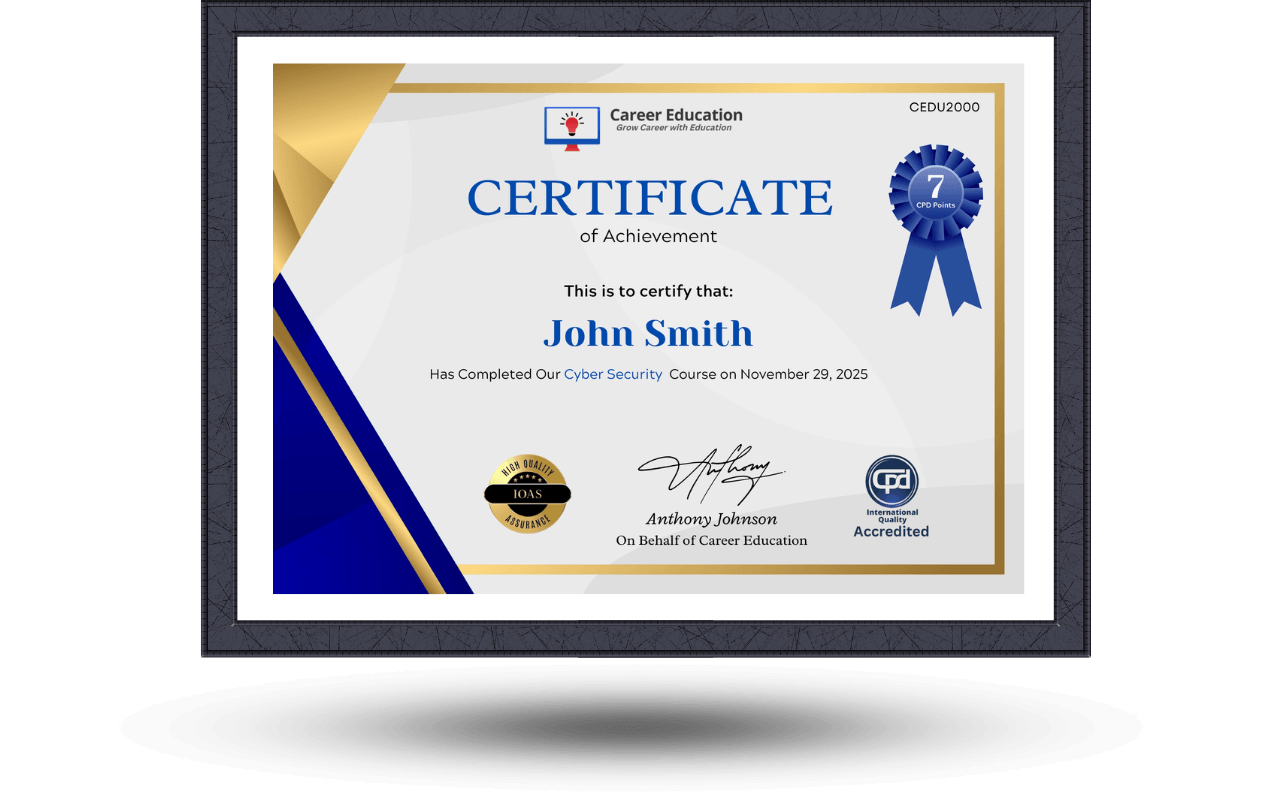
Upon completion of the course, an e-certificate will be downloadable from Khan Education signifying the completion of your course. But, the course is CPD Accredited and after you complete the assignment, you will be eligible to order a certificate accredited by CPD International Quality for £5.99 only. If you want a hardcopy certificate accredited by CPD IQ, you can get it for only £15.99.
Get your CertificateSimilar Courses


