OFF
Aerial Boom and Scissor Lift Safety
- Lifetime Access
- All Levels
- PDF Certificate
Learn With Confidence








Overview
Aerial Boom and Scissor Lift Safety
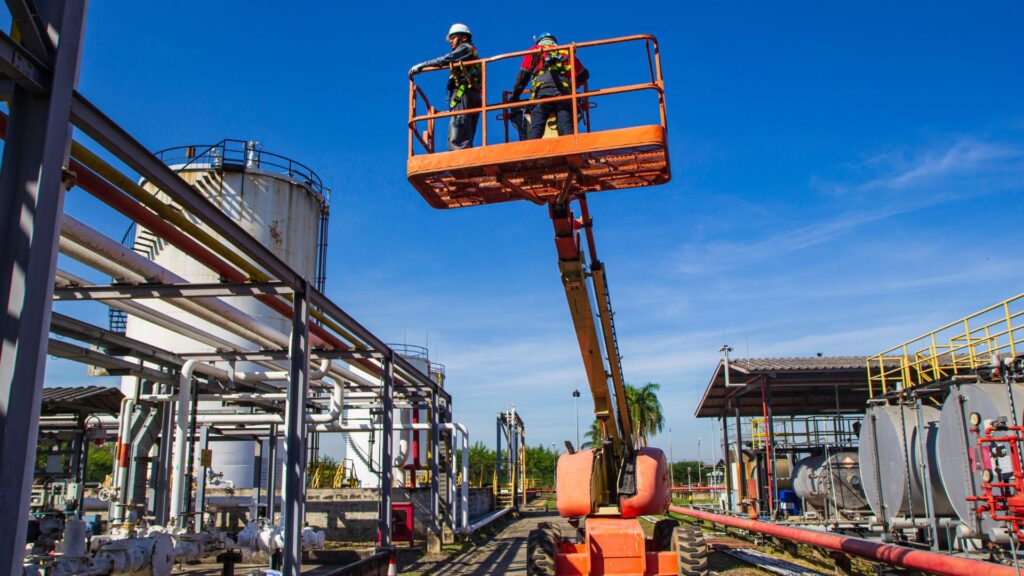
Operating aerial platforms can provide essential access to elevated work areas, but working at height also introduces significant risks that require knowledge, preparation and disciplined operating practices. Aerial Boom and Scissor Lift Safety is a practical training course designed to help learners understand how to operate, inspect and work safely with boom lifts and scissor lifts while reducing the risk of accidents, equipment damage and unsafe working practices.
Whether you work in construction, facilities management, maintenance, warehousing, utilities, manufacturing or another industry where elevated access equipment is used, this course provides valuable knowledge for anyone involved with aerial platform operations. It focuses on practical safety principles, operating techniques, equipment awareness and load-handling considerations so learners can approach aerial work with greater confidence and responsibility.
Why Learn Aerial Boom and Scissor Lift Safety?
Aerial lifts allow workers to reach areas that would otherwise be difficult or impossible to access safely from ground level. However, incorrect operation, poor inspection practices, unsuitable working conditions, overloading, unstable surfaces and inadequate planning can create serious hazards.
Learning Aerial Boom and Scissor Lift Safety helps you recognise these hazards before they become incidents. Rather than focusing only on how equipment moves, the course develops a broader understanding of safe operation, workplace awareness and responsible decision-making.
By completing this course, learners can develop the knowledge to:
-
Understand the purpose and characteristics of different aerial platforms.
-
Recognise common hazards associated with elevated work.
-
Apply safer operating practices when using boom and scissor lifts.
-
Carry out appropriate pre-use checks and identify potential problems.
-
Understand basic maintenance and troubleshooting considerations.
-
Use boom lifts and scissor lifts according to their operating characteristics.
-
Work more effectively with equipment load and capacity limitations.
-
Make safer decisions when working around people, structures and other workplace hazards.
-
Reduce the likelihood of equipment misuse, instability and preventable incidents.
What You Will Learn
Module 1 – Introduction to Aerial Platforms
The course begins by introducing aerial platforms and their role in modern workplaces. Learners explore the general purpose of elevated work platforms and the differences between common types of equipment.
You will develop an understanding of how aerial platforms support work at height and why choosing appropriate equipment is important. The module introduces key components, operating principles and basic terminology, helping learners become more familiar with the equipment they may encounter in the workplace.
The introduction also establishes the importance of following manufacturer instructions, workplace procedures and applicable safety requirements. By building a strong foundation, learners can better understand the more advanced operational and safety principles covered throughout the course.
Module 2 – Aerial Platform Operation
Safe equipment operation starts with understanding how the machine responds to controls, movement and working conditions. This module examines the fundamental principles involved in operating aerial platforms.
Learners explore safe starting procedures, movement, positioning and general control considerations. You will learn why operators need to remain aware of their surroundings and how factors such as ground conditions, obstacles, overhead hazards and nearby workers can influence safe operation.
The module also encourages a planned approach to aerial platform use. Rather than relying solely on equipment controls, learners develop an understanding of the importance of assessing the work environment before and during operation.
Module 3 – Aerial Platform Safety
Safety is at the heart of effective aerial platform operation. This module focuses on identifying and controlling hazards associated with elevated work.
Learners examine issues such as falls, tip-overs, collisions, overhead hazards, unstable surfaces, weather conditions and interaction with other workplace activities. The course highlights the importance of maintaining appropriate clearances, using required protective equipment and following established workplace procedures.
You will also learn why operators must remain alert to changing conditions. A work area that appears safe at the beginning of a task can become hazardous as vehicles, materials, workers or environmental conditions change.
By completing this module, learners can develop stronger hazard-awareness skills and make more informed decisions before positioning or operating an aerial platform.
Module 4 – Maintenance and Troubleshooting
Reliable equipment is an important part of workplace safety. This module introduces learners to basic maintenance awareness and troubleshooting principles for aerial platforms.
You will learn the importance of carrying out appropriate pre-use inspections and identifying signs that equipment may require attention. The module covers the value of checking key components, controls and safety features before operation.
Learners also explore how to respond when an equipment problem is identified. Instead of continuing to operate potentially unsafe equipment, operators need to understand when equipment should be removed from service and reported to an appropriate person.
The emphasis is on recognising problems early, preventing avoidable equipment-related incidents and supporting a culture in which safety concerns are reported rather than ignored.
Module 5 – Boom Lift Operation and Techniques
Boom lifts provide flexible access to elevated and sometimes difficult-to-reach locations. Their ability to extend, raise and position a work platform makes them useful for many applications, but their movement characteristics also require careful operation.
This module focuses specifically on boom lift operation and techniques. Learners explore positioning considerations, controlled movement and the importance of maintaining awareness of the machine’s operating environment.
You will develop an understanding of how boom movement can affect the position and stability of the equipment. The module reinforces the importance of following operating limitations and using appropriate techniques when approaching elevated work areas.
The goal is to help learners operate boom lifts with greater awareness, precision and control while reducing unnecessary risks to themselves, colleagues, equipment and surrounding structures.
Module 6 – Scissor Lift Operation and Techniques
Scissor lifts have different operating characteristics from boom lifts, making it important for operators to understand the equipment they are using rather than assuming that the same techniques apply to every aerial platform.
This module explores scissor lift operation and practical techniques. Learners examine positioning, movement, elevated operation and workplace awareness.
You will gain a clearer understanding of how surface conditions, platform position, obstacles and surrounding activities can affect safe scissor lift operation. The module also reinforces the importance of staying within the equipment’s intended operating parameters.
By developing equipment-specific knowledge, learners can approach scissor lift operations more confidently and avoid common mistakes caused by unfamiliarity with the machine.
Module 7 – Load Handling and Capacity
Correct load management is essential for maintaining safe aerial platform operations. Every aerial platform has defined limitations, and exceeding or incorrectly distributing the permitted load can create serious safety problems.
This module introduces the principles of load handling and capacity. Learners explore why operators must understand equipment ratings and account for the people, tools, materials and other items being carried on the platform.
You will learn the importance of considering the total load rather than focusing on individual items. The course also highlights why loads should be managed appropriately and why operators must never disregard specified capacity limitations.
Understanding load capacity helps learners make safer decisions before beginning elevated work and supports responsible equipment use.
Practical Skills You Can Develop
Aerial Boom and Scissor Lift Safety is designed around practical workplace outcomes. Rather than simply learning terminology, learners can develop knowledge that supports safer behaviour during aerial platform activities.
After completing the course, you should be better prepared to:
Recognise equipment hazards: Identify common risks associated with aerial platforms and elevated work environments.
Prepare for safe operation: Understand why inspections, workplace assessments and appropriate planning should take place before equipment is used.
Operate with greater awareness: Apply safer operating principles when controlling, positioning and moving aerial platforms.
Understand equipment differences: Recognise the distinct characteristics of boom lifts and scissor lifts and adapt operating practices accordingly.
Identify potential equipment problems: Recognise basic warning signs and understand the importance of reporting defects or unsafe conditions.
Manage loads responsibly: Understand the importance of working within equipment capacity and maintaining appropriate load control.
Improve workplace safety: Contribute to a safer working environment by recognising hazards and following established procedures.
Who Is This Course For?
This course is suitable for individuals who work with or around aerial boom and scissor lift equipment and want to strengthen their understanding of safe operating practices.
It can be particularly useful for:
-
Construction workers and site personnel.
-
Maintenance and facilities teams.
-
Warehouse and industrial workers.
-
Equipment operators and workplace supervisors.
-
Engineering and installation personnel.
-
Contractors working at height.
-
Managers responsible for workplace equipment and safety.
-
Employees who work near aerial platform operations.
-
Individuals seeking practical knowledge of aerial lift safety.
The course can also serve as useful learning material for people who want to understand aerial platform hazards and operating principles before undertaking relevant workplace training or equipment-specific instruction.
Build Safer Aerial Platform Practices
Safe aerial platform operation is about more than moving a machine into position and reaching an elevated work area. It requires preparation, equipment awareness, hazard recognition, controlled operation and respect for operating limitations.
Aerial Boom and Scissor Lift Safety gives learners a structured introduction to these essential principles. From understanding aerial platforms and operating techniques to safety procedures, maintenance awareness and load capacity, the course provides a broad foundation for safer workplace practices.
By developing a stronger understanding of how aerial platforms operate and the hazards associated with their use, learners can make better decisions before, during and after elevated work activities.
Investing in Aerial Boom and Scissor Lift Safety knowledge can help create a more safety-conscious workplace where equipment is treated responsibly, hazards are identified proactively and operators understand the importance of working within established procedures.
Start building your knowledge today and develop the practical safety awareness needed to approach boom lift and scissor lift operations with greater confidence, care and responsibility.
Course Modules
Course Content
Module 1_ Introduction to Aerial Platforms
-
Lesson 1_ Introduction to Aerial Platforms
Module 2_ Aerial Platform Operation
Module 3_ Aerial Platform Safety
Module 4_ Maintenance and Troubleshooting
Module 5_ Boom Lift Operation and Techniques
Module 6_ Scissor Lift Operation and Techniques
Module 7_ Load Handling and Capacity
What our students say

Earn an Accredited Certificate
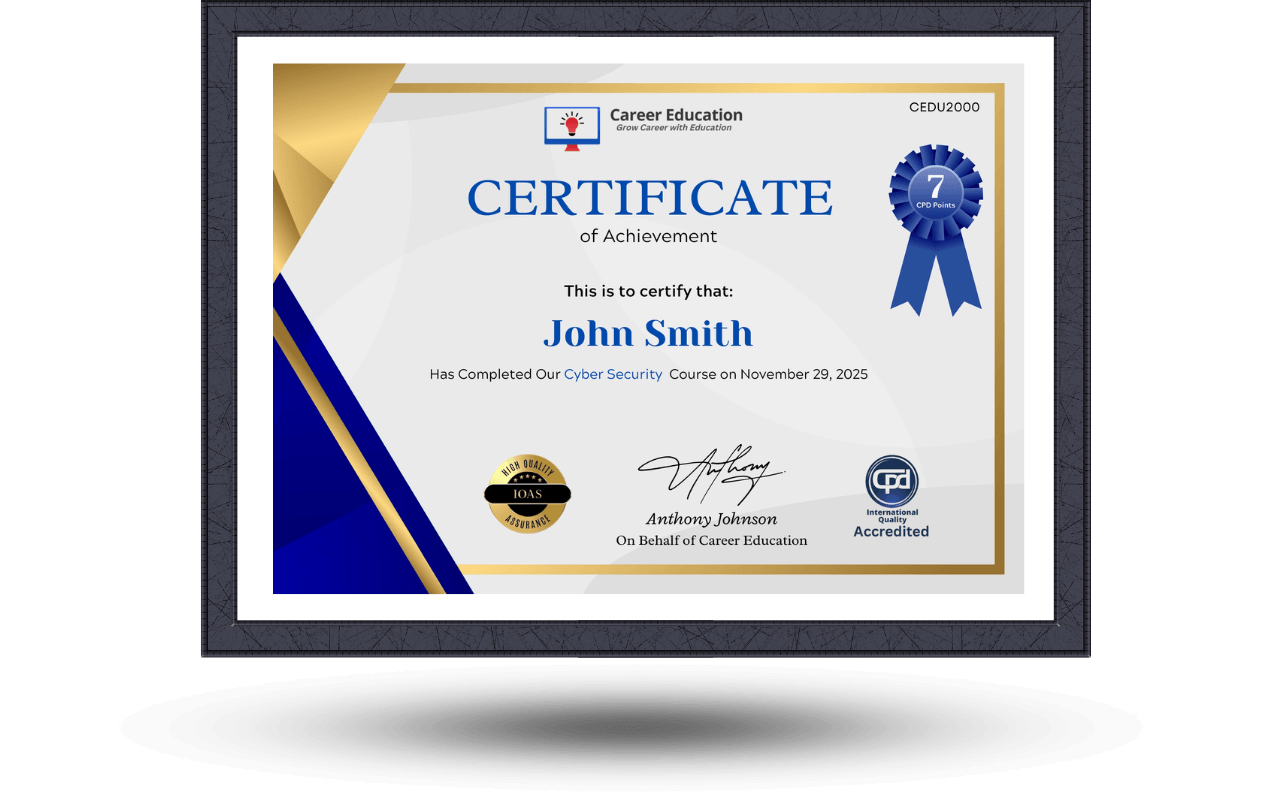
Upon completion of the course, an e-certificate will be downloadable from Khan Education signifying the completion of your course. But, the course is CPD Accredited and after you complete the assignment, you will be eligible to order a certificate accredited by CPD International Quality for £5.99 only. If you want a hardcopy certificate accredited by CPD IQ, you can get it for only £15.99.
Get your CertificateSimilar Courses


